
When you face dependence on multiple substances, detox for polysubstance addiction can be the first critical step toward regaining control over your life. Polysubstance use disorder occurs when you misuse two or more drugs—whether simultaneously or in close succession—creating unpredictable effects on your body and mind. In 2022, nearly half of all drug overdose deaths involved multiple substances [1]. As you begin the detoxification process, you enter a tailored, medically supervised environment designed to remove harmful substances safely, manage withdrawal symptoms, and lay the foundation for lasting recovery.
Understanding the complexities of simultaneous detox can help you choose the right path. You’ll learn about available settings—from residential programs to outpatient services—how to prepare for varied withdrawal timelines, and the role of medication-assisted treatment in easing cravings. Throughout this journey, evidence-based therapies and comprehensive support will guide you toward the next phase: ongoing care that addresses the root causes of addiction. By exploring each step, you’ll gain clarity on how detox for polysubstance addiction can set you on a course toward freedom and wellbeing.
Understanding polysubstance detox
Polysubstance detox refers to the medically supervised removal of multiple drugs from your system. Unlike single-drug withdrawal, you may experience overlapping or compounded symptoms that require specialized care. Detox is not a standalone cure but rather the initial phase in a continuum of addiction treatment.
Key facts:
- Polysubstance use often combines depressants, stimulants, opioids, and prescription medications, intensifying risks such as respiratory depression and cardiovascular strain [2].
- Effective detox reduces long-term health complications and lowers overdose risk.
- A structured withdrawal process increases your likelihood of entering ongoing treatment successfully.
Goals of detox:
- Safely stabilize your physical condition
- Alleviate acute withdrawal symptoms
- Introduce you to support services and aftercare planning
Recognizing that detox is just the first step, you can explore tailored options through reputable addiction recovery detox services that match your needs.
Comparing detox settings
Choosing between inpatient, outpatient, and medically managed models depends on your substance use patterns, medical history, and personal circumstances. Each setting has distinct advantages and considerations.
| Setting | Description | Pros | Cons |
|---|---|---|---|
| Residential detox for substance abuse | 24/7 care in a dedicated facility | Constant monitoring, peer support, structured routine | Higher cost, requires time away from home |
| Outpatient drug detox services | Scheduled visits for medication management and counseling | Flexibility, lower cost, maintain home responsibilities | Less medical supervision, potential distractions |
| Medically managed detox for substance abuse | Intensive medical oversight with FDA-approved medications and skilled clinicians | Optimal safety, medication-assisted relief, seamless care coordination | May require inpatient stay or frequent appointments |
For more details, review programs like residential detox for substance abuse, outpatient drug detox services, or detox with medication management support.
Managing withdrawal symptoms
Withdrawal during detoxification can range from mild discomfort to severe, life-threatening events. Symptoms vary by substance and can overlap when multiple drugs are involved.
Common withdrawal effects:
- Alcohol: tremors, anxiety, seizures, delirium tremens
- Opioids: muscle aches, nausea, insomnia, intense cravings
- Benzodiazepines: confusion, agitation, seizures
- Stimulants: fatigue, depression, increased appetite
Withdrawal timeline overview:
- Early phase (6–24 hours): anxiety, sweating, gastrointestinal distress
- Peak phase (24–72 hours): peak symptoms, potential complications like seizures
- Late phase (days to weeks): mood swings, cravings, sleep disturbances
To mitigate risks, medical supervision is essential. Detox under professional care reduces dangerous complications such as delirium tremens and respiratory depression [3]. Patients in medically supervised programs are 68% more likely to complete detox successfully, laying a strong foundation for recovery. Explore specialized options like alcohol detox with medical supervision or an opioid addiction detox center for comprehensive care.
Incorporating medication assistance
Medication-assisted treatment (MAT) plays a pivotal role in easing withdrawal and reducing relapse risk, especially when opioids or alcohol are involved. By combining FDA-approved medications with counseling, MAT addresses both physical dependence and underlying behavioral health issues.
FDA-approved options:
- Methadone: reduces opioid cravings, stabilizes brain chemistry
- Buprenorphine (Suboxone): partial opioid agonist, lowers overdose risk
- Naltrexone: blocks opioid and alcohol effects, supports sustained abstinence
Benefits of MAT:
- Alleviates severe withdrawal symptoms
- Lowers the likelihood of early treatment dropout
- Improves retention in therapy and rehab programs
- Empowers you to focus on personal growth
You can find these services through a medication assisted treatment program or a specialized suboxone clinic for opioid addiction. Many centers offer integrated medically managed detox for substance abuse, ensuring your medication regimen aligns with your overall treatment plan.
Integrating therapy and counseling
Detox prepares your body for recovery, but addressing addiction’s root causes requires mental health support. Therapy and counseling during detox build coping strategies, manage co-occurring conditions, and strengthen your commitment to sobriety.
Key therapy modalities:
- Cognitive behavioral therapy (CBT): identify and challenge unhelpful thought patterns
- Motivational interviewing: enhance readiness for change
- Group therapy and peer support: share experiences, foster accountability
- Dual diagnosis care: simultaneous treatment for mental health and substance use disorders
Effective programs often combine modalities, providing a holistic approach. Joining a detox program with counseling support or seeking detox and mental health treatment combined ensures you receive personalized care. Peer-led sessions, available through a detox program with peer support, can reinforce your motivation and expand your recovery network.
Planning after detox transition
Completing detox is a milestone, but long-term recovery depends on seamless transition into ongoing care. After detox, you’ll need a structured plan that addresses relapse prevention, continued therapy, and lifestyle changes.
Aftercare components:
- Residential or outpatient rehab placement
- Continued MAT or medication management
- Individual and group therapy sessions
- Family therapy and support groups
- Employment or educational support services
Options for next steps:
- Short-term detox with outpatient transition [4]
- Residential detox with aftercare planning [5]
- Long-term detox and recovery program [6]
- Outpatient detox and counseling program [7]
Embedding a drug detox with relapse prevention strategy into your aftercare plan will help you anticipate triggers and maintain progress. Building a strong support network, including families, peers, and professionals, is essential for sustaining recovery.
Choosing supportive environments
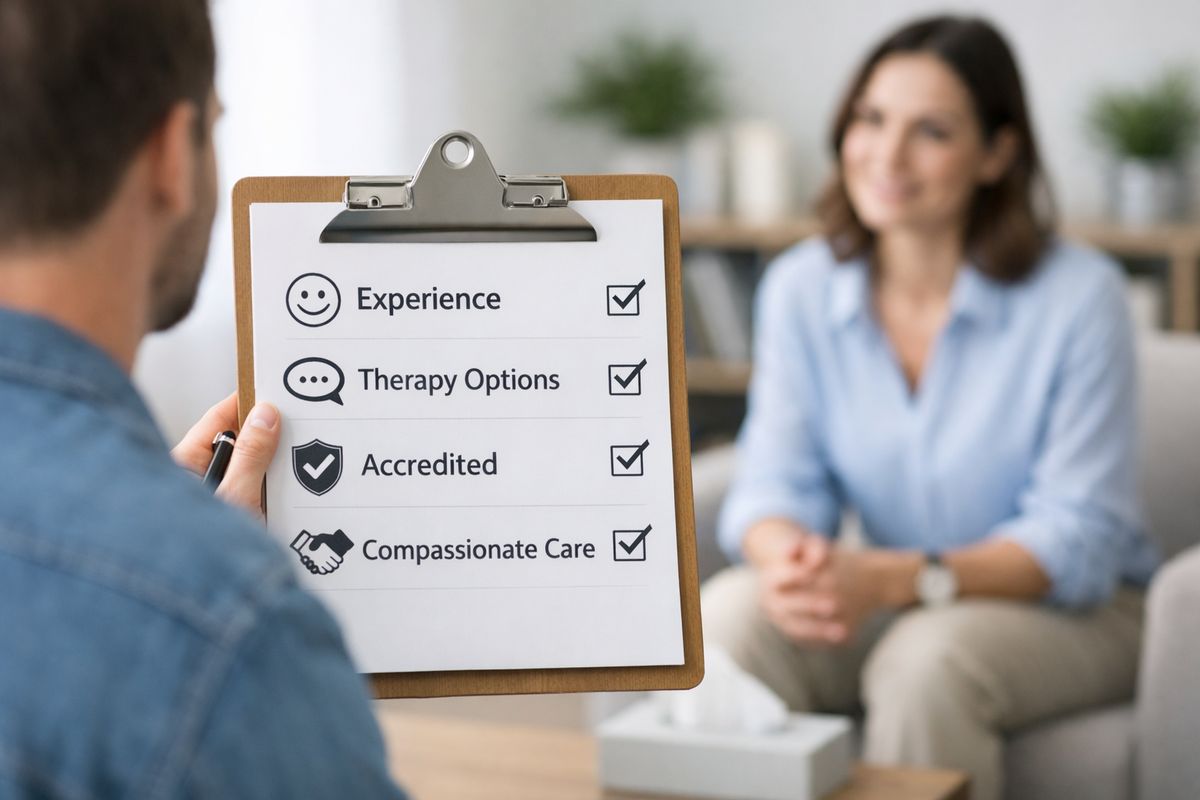
Your surroundings can significantly influence detox success. Look for programs that offer accreditation, 24/7 medical oversight, and a compassionate, multidisciplinary team.
Factors to consider:
- Accreditation and licensing
- Staff credentials (addiction medicine specialists, psychiatrists, therapists)
- On-site medical supervision and emergency protocols
- Holistic treatment options (yoga, nutrition counseling, mindfulness)
- Special populations (veterans, young adults, dual diagnosis)
Resources for specialized care:
- Detox center with behavioral health support [8]
- Detox with holistic treatment options [9]
- Detox program for veterans in recovery [10]
- Detox program for young adults [11]
- Residential drug and alcohol detox center [12]
By selecting a program that aligns with your medical needs, personal preferences, and lifestyle goals, you boost your chances of completing detox and moving confidently into rehabilitation.
Embarking on detox for polysubstance addiction is your first step to freedom. With the right combination of medical oversight, medication assistance, therapy, and aftercare planning, you can navigate withdrawal safely and transition into a comprehensive recovery program. To begin, reach out to a trusted provider—whether you’re exploring a best detox center for addiction or seeking specialized medical detox for alcohol withdrawal—and take that vital first step toward lasting sobriety.
References
- (CDC)
- (The Lovett Center)
- (Evoke Wellness)
- (short term detox with outpatient transition)
- (residential detox with aftercare planning)
- (long term detox and recovery program)
- (outpatient detox and counseling program)
- (detox center with behavioral health support)
- (detox with holistic treatment options)
- (detox program for veterans in recovery)
- (detox program for young adults)
- (residential drug and alcohol detox center)