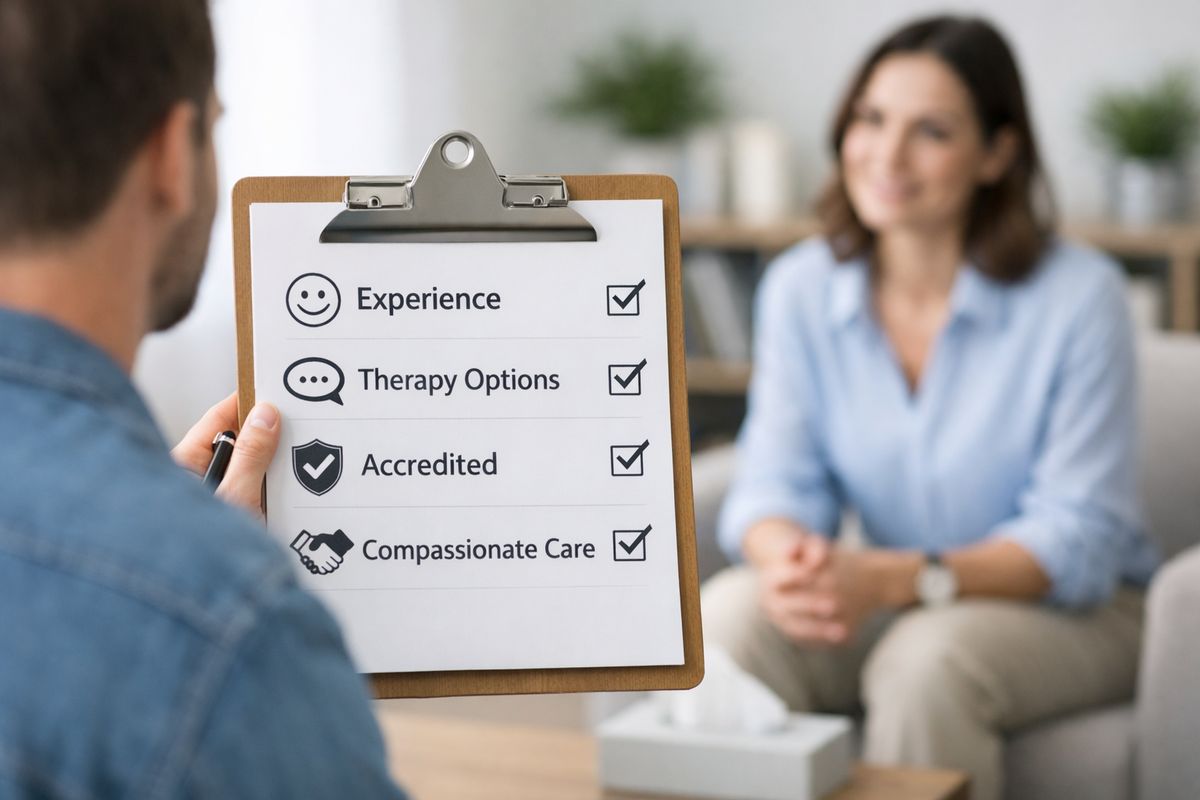

When you begin searching for addiction recovery detox services, you want a program that addresses your individual needs in a safe, supportive setting. Detox is the critical first step in the treatment process, providing a medically supervised environment where you can withdraw from substances before moving into therapy and lifestyle changes. In 2020, the SAMHSA National Helpline received 833,598 calls, a 27 percent increase over 2019’s 656,953 calls [1]. That surge underscores the growing demand for reliable detox programs. Additionally, in 2022 nearly 108,000 people in the United States died from drug-involved overdoses—almost 296 fatalities per day [2]. Choosing the right service for medical withdrawal management, medication-assisted treatment, and aftercare support can make a lasting difference in your recovery journey.
Explore detox service options
Different approaches to detox can match your medical needs, addiction severity, and personal preferences. Understanding each option will help you select a program that keeps you comfortable and safe throughout withdrawal.
Medically supervised withdrawal
Medically supervised detox provides 24-hour monitoring by nurses and physicians who manage withdrawal symptoms. This approach reduces risks like dehydration, seizures, or severe anxiety. You may encounter services such as:
- Vital sign monitoring
- Intravenous fluids and nutrition
- Symptom-specific medications
Many centers offer specialized tracks, including alcohol detox with medical supervision and medically managed detox for substance abuse. After stabilization, you can transition into inpatient or outpatient care.
Medication-assisted treatment programs
Medication-assisted treatment (MAT) combines FDA-approved medications with counseling and behavioral therapies to reduce cravings and ease withdrawal. Common medications include:
- Methadone
- Buprenorphine
- Naltrexone
Benefits of MAT:
- Lowers risk of relapse
- Manages withdrawal discomfort
- Supports long-term recovery
If you’re considering this path, explore a medication assisted treatment program near you.
Suboxone-based opioid recovery
Suboxone (buprenorphine/naloxone) clinics offer a form of MAT specifically for opioid dependence. By blocking withdrawal symptoms and reducing opioid effects, Suboxone helps you focus on therapy and lifestyle change. Options include:
- Suboxone clinic for opioid addiction
- Suboxone maintenance treatment program
- Outpatient suboxone program
These services often integrate counseling, peer support, and case management.
Holistic detox options
For a comprehensive approach, some centers blend traditional medical care with complementary therapies. Holistic services may include:
- Yoga and meditation
- Nutritional counseling
- Acupuncture
- Mindfulness-based relapse prevention [3]
If you value mind-body integration, look for a detox with holistic treatment options.
Compare outpatient and residential
Your daily responsibilities, addiction severity, and support network influence whether to choose inpatient or outpatient detox. Reviewing the pros and cons side by side can clarify your decision.
| Feature | Residential detox | Outpatient detox |
|---|---|---|
| Setting | Live-in facility | Attend sessions while living at home |
| Typical duration | 7–14 days | Flexible hours, often 1–3 times per week |
| Medical monitoring | 24-hour supervision | Scheduled check-ins and medication support |
| Level of structure | High | Moderate |
| Pros | Intensive care, peer immersion, fewer triggers | Keeps work/school routines, lower cost |
| Cons | Higher expense, time away from home | Requires strong home support, potential distractions |
Residential detox for substance abuse
Residential programs offer structure and constant supervision. You’ll sleep, eat, and attend therapy on site. Many facilities include residential detox for substance abuse and residential drug and alcohol detox center options. After detox, you can move into programs with built-in aftercare planning.
Outpatient drug detox services
If you have a stable home environment and mild withdrawal risk, outpatient detox may suit you. You attend scheduled appointments for medication management, counseling, and medical check-ups. Services include outpatient drug detox services and short term detox with outpatient transition. This option lets you maintain work, school, and family commitments.
Evaluate support services
Detox is only one component of recovery. Comprehensive services during withdrawal can improve outcomes and set the stage for lasting sobriety.
Counseling and therapy support
Emotional and psychological healing are essential from day one. Look for programs offering:
- Individual therapy
- Group counseling
- Family sessions
Centres advertising detox program with counseling support and alcohol detox with therapy support ensure you address underlying issues alongside physical withdrawal.
Peer support groups
Connecting with others facing similar challenges builds camaraderie and accountability. Peer-led meetings and group therapy foster a sense of belonging. Seek programs featuring detox program with peer support or local 12-step and recovery community organizations.
Dual diagnosis care
Many individuals experience co-occurring mental health disorders such as depression, anxiety, or PTSD. Integrated care programs treat both substance use and mental health conditions. Consider a center that offers detox and mental health treatment combined or a detox program with dual diagnosis care.
Transition into ongoing treatment
Detox should lead seamlessly into the next phase of care. Without proper aftercare, the risk of relapse can remain high—estimated at 40–60 percent, similar to other chronic illnesses [2].
Aftercare planning and continuing care
A strong aftercare plan includes outpatient therapy, support groups, and case management. Continuing care models such as Recovery Management Checkups have been shown to improve long-term outcomes [3]. Look for programs offering long term detox and recovery program and structured follow-up.
Relapse prevention strategies
Preventing relapse involves skill-building, trigger identification, and stress management. Effective programs provide:
- Cognitive behavioral therapy
- Mindfulness-based relapse prevention
- Peer mentor check-ins
Services like drug detox with relapse prevention can help you develop a durable recovery toolkit.
Outpatient rehab and counseling
After detox, many people transition into outpatient rehab to continue therapy while resuming daily life. Options include outpatient detox and counseling program and alcohol detox and outpatient rehab. This approach balances support with flexibility.
Choose the right facility
Selecting the ideal detox provider means considering practical factors alongside treatment quality.
Accreditation and staff expertise
Verify that the center meets state licensing standards and employs qualified professionals—nurses, physicians, addiction counselors, and psychiatrists. Facilities like Ohio State University Wexner Medical Center offer multidisciplinary teams and no-waitlist admissions [4].
Insurance and payment options
Treatment costs vary by setting and services. Common payment methods include:
- Private health insurance (UnitedHealthcare, Cigna, Aetna)
- Medicare and Medicaid
- SAMHSA grants and state programs
- Financing plans and sliding-scale fees
The Affordable Care Act covers between 60–90 percent of rehab costs for qualifying individuals [5]. Free or low-cost programs exist for veterans, pregnant women, and those with financial hardship.
Special population programs
Certain groups benefit from tailored services:
- Young adults: Detox program for young adults
- Veterans: Detox program for veterans in recovery
- High-acuity clients: Medical detox for high acuity clients
Specialized tracks ensure you receive care that respects your background and needs.
By exploring detox options, comparing program settings, and evaluating support services, you can find an addiction recovery detox service that fits your life and goals. A thoughtful transition into ongoing treatment, backed by aftercare planning and relapse prevention strategies, will help you sustain progress. Reach out today to discuss your needs with admissions specialists and take the first step toward lasting recovery.