
Understanding detox program
If you’re a young adult weighing your options for a detox program for young adults, you may feel overwhelmed by the variety of medically supervised withdrawal management approaches available. A comprehensive detox program tailored to your age group provides evaluation, stabilization, and a clear transition into ongoing recovery. By addressing both physical dependence and emerging psychosocial needs, these programs set the stage for lasting sobriety.
According to the Substance Abuse and Mental Health Services Administration, 50.2 million American adults consider themselves in recovery from substance use or mental health challenges [1]. Effective withdrawal management can reduce early relapse and improve your chances of engaging fully in treatment.
What is withdrawal management
Withdrawal management, once commonly called “detox,” focuses on safely handling acute physical dependence when you stop using drugs or alcohol. It typically involves three phases [2]:
- Evaluation: Assessing your medical history, substance use pattern, and co-occurring conditions
- Stabilization: Using medications and therapies to manage withdrawal symptoms
- Transition: Preparing you for substance abuse rehabilitation or aftercare
While withdrawal management eases the discomfort of quitting, it alone is insufficient for sustained recovery. After detox, you’ll need counseling, behavioral therapies, and peer-based support to address underlying issues and build coping strategies.
Why young adults need unique care
Young adults face distinct developmental and social challenges that influence substance use and recovery. Research shows that clustering peers by age can improve engagement, accountability, and long-term outcomes [3]. Key considerations include:
- Early onset of use and shorter span between first use and treatment
- Lower treatment-seeking rates compared to older adults
- Strong influence of peer networks and social relationships
- Unique co-occurring mental health issues such as anxiety or emerging personality disorders
Age-specific detox programs integrate relatable group sessions and tailored educational modules, ensuring you connect with peers who share similar experiences and developmental stages.
Exploring detox options
Detox programs vary by setting, intensity, and treatment modalities. Understanding the main categories helps you choose the right path.
Medical detox programs
Medical detox offers 24/7 supervision by physicians, nurses, and addiction specialists. It’s ideal when withdrawal symptoms are severe or when you have co-occurring health issues.
Inpatient detox
Inpatient detox delivers round-the-clock care in a residential setting. You’ll receive:
- Continuous medical monitoring
- Tapering schedules for medications like benzodiazepines or buprenorphine
- Structured environment to minimize relapse triggers
This level of care suits those with a history of severe withdrawal, co-existing disorders, or lack of home support. Explore more about residential programs at residential detox for substance abuse.
Outpatient detox
Outpatient detox allows you to live at home while attending scheduled clinical visits. Features include:
- Daily or weekly medical check-ins
- Medication management support
- Flexibility to continue school or work
Outpatient care is appropriate for mild dependence, a stable home environment, and strong social support. Learn about local services at outpatient drug detox services.
Social detox
In social detox, peer support and monitoring replace medication. Staff and peers ensure safety, but no pharmacological interventions are provided. This format works for mild to moderate substance use without high-risk withdrawal. Consider options like detox program with peer support if you prefer a community-based approach.
Specialized detox programs
Some programs offer additional layers of care to address complex needs.
Dual diagnosis care
When mental health disorders accompany substance dependence, integrated detox with psychiatric treatment is essential. Look for facilities that provide detox program with dual diagnosis care to ensure both conditions are treated simultaneously.
Age-specific programming
Young adults benefit from dedicated groups and activities that speak to their life stage. By grouping peers under 26, you receive age-relevant therapy topics, recreational activities, and educational sessions that enhance engagement and accountability.
Evaluating detox settings
Choosing the right environment can greatly influence your comfort and success.
Residential vs outpatient
| Feature | Residential detox | Outpatient detox |
|---|---|---|
| Intensity | High (24/7 medical supervision) | Moderate (scheduled visits) |
| Environment control | Secure, substance-free facility | Home environment, potential triggers |
| Flexibility | Limited (full-time stay) | High (maintain daily routines) |
| Ideal candidate | Severe dependence, co-occurring disorders, relapse history | Mild to moderate dependence, strong support system |
Evaluating program quality
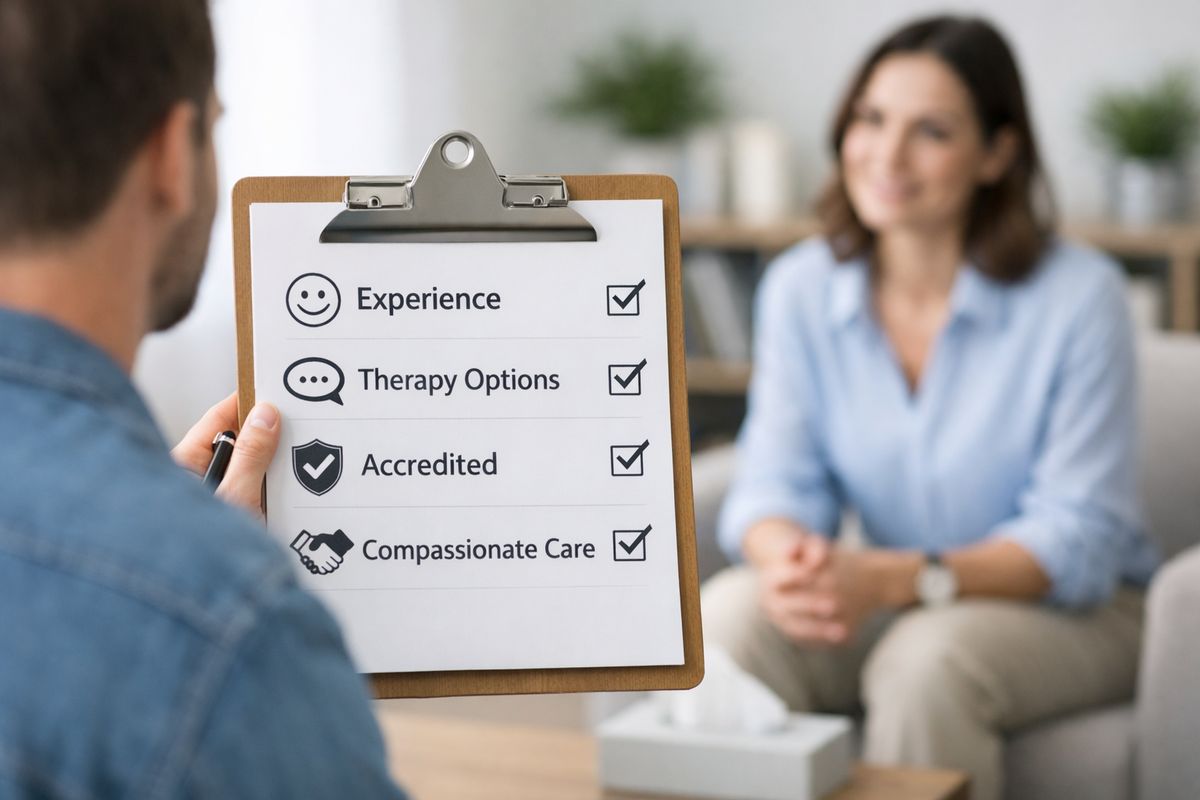
When assessing a facility, consider:
- Accreditation and licensing
- Staff credentials (MDs, addiction counselors, psychiatrists)
- Offered therapies (CBT, group therapy, holistic options)
- Aftercare planning and referral networks
- Family involvement opportunities
Consult rankings like best detox center for addiction and read patient testimonials to make an informed choice.
Benefits of medication-assisted treatment
Medication-assisted treatment (MAT) combines pharmacotherapy with counseling to manage cravings and reduce mortality.
Understanding MAT and Suboxone
Suboxone (buprenorphine/naloxone) and other FDA-approved medications help stabilize brain chemistry, block euphoric effects, and relieve physiological cravings. A medication assisted treatment program or a suboxone clinic for opioid addiction can guide you through induction, stabilization, and maintenance phases.
Key advantages of MAT:
- Reduced risk of overdose
- Improved retention in treatment
- Lower relapse rates
Reducing relapse risk
Studies indicate that 40-60 percent of individuals in recovery experience relapse, similar to other chronic conditions [4]. By pairing medications with therapy and peer support, you’ll have a multi-pronged defense against returning to use.
Transitioning to ongoing care
Completing detox is only the first step. A solid aftercare plan bridges you into a sustained recovery journey.
Aftercare and sober living
Sober living homes offer a structured, substance-free environment where you continue recovery behaviors under peer supervision. Research shows that participation in mutual-help meetings, such as AA or NA, enhances outcomes for residents [4]. Seek programs that include residential detox with aftercare planning to ensure a seamless transition.
Therapy and support groups
Individual and group therapies address emotional triggers, coping skills, and relapse prevention. You might join:
- Cognitive behavioral therapy sessions
- Motivational interviewing workshops
- Peer-led SMART Recovery meetings
Facilities offering alcohol detox with therapy support often integrate these modalities into your care plan.
Family involvement
Engaging family members in educational workshops and therapy sessions strengthens your support network. Loved ones learn how to set boundaries, communicate effectively, and reinforce your sobriety goals.
Supporting holistic recovery
A well-rounded approach addresses the whole person—mind, body, and spirit.
Nutritional and exercise support
Proper nutrition and physical activity rebuild health and boost mood. Many detox centers partner with dietitians and fitness specialists to craft personalized meal plans and exercise routines that reduce stress and improve sleep.
Integrating mental health treatment
Substance use and mental health often intersect. Programs that feature detox and mental health treatment combined ensure you receive psychiatric evaluations, medication management, and trauma-informed therapies alongside withdrawal care.
Taking the next step
Choosing the right detox program for young adults sets the foundation for lasting recovery. Whether you opt for medical detox, a dedicated MAT track, or age-specific group work, a structured approach will help you navigate withdrawal safely and confidently. Reach out to a trusted facility today, explore your options, and start the journey toward a healthier, substance-free future.