
Understanding residential detox
When you choose a residential drug and alcohol detox center, you gain access to around-the-clock medical support and structured care to begin your recovery journey. These inpatient programs provide a safe, substance-free environment where you can manage withdrawal symptoms under professional supervision. As more people seek help—calls to the SAMHSA National Helpline rose 27 percent from 2019 to 2020 [1]—you benefit from evidence-based practices designed to maximize your comfort and safety.
What is residential detox?
Residential detox is a live-in treatment program offering continuous medical and therapeutic support in a non-hospital setting. You receive behavioral therapy, peer support, psychoeducation, and medications for substance use disorders, all within a structured daily routine [2].
Benefits of inpatient care
- 24/7 clinical monitoring to reduce risks during withdrawal
- Access to medications that ease discomfort and prevent complications
- Peer and staff support fostering accountability and motivation
- A controlled, substance-free environment that minimizes triggers
Typical program duration
- Short term (30–60 days) for initial stabilization
- Long term (90 days or more) for deeper therapeutic work [2]
- Transitional recovery housing to support reintegration
For more details on residential options, explore our guide on residential detox for substance abuse.
Prepare for your admission
Getting ready for a detox admission can help you focus on recovery from day one. Ahead of your arrival, you will complete assessments, arrange insurance coverage, and pack essential items to ensure a smooth transition.
Initial assessment
- Medical evaluation including physical exam and vital signs
- Review of substance use history and mental health screening
- Laboratory tests to identify co-occurring health concerns
- Development of an individualized detox plan
Insurance and costs
Many facilities accept most commercial insurance plans, Medicaid, and Medicare, helping you manage expenses. For example, Ohio State Wexner Medical Center covers a full continuum of care under major insurers [3]. Always verify coverage for a drug and alcohol detox program before admission.
What to bring
- Valid ID, insurance cards, and any necessary paperwork
- Comfortable, season-appropriate clothing and personal toiletries
- A list of current medications and dosages
- Emergency contact information
Experience the detox process
During detox, your days revolve around medical check-ins, therapy sessions, and rest. Understanding each component helps you engage fully with the program.
Medical withdrawal management
Medically managed detox uses medications and close monitoring to ease withdrawal from substances like alcohol, opiates, and benzodiazepines. High-acuity clients receive tailored support in a Level IV medical withdrawal unit [2]. For specialized care, see our medical detox for high acuity clients.
Symptom monitoring
Clinical staff check your vital signs multiple times per day to track progress and adjust treatments. Common withdrawal symptoms include:
- Tremors and sweating
- Nausea and vomiting
- Anxiety and agitation
- Insomnia or fatigue
Sample daily schedule
| Time | Activity |
|---|---|
| 7:00 AM | Wake-up and vitals |
| 8:00 AM | Breakfast |
| 9:00 AM | Group therapy |
| 11:00 AM | Medical check-in |
| 12:00 PM | Lunch |
| 1:00 PM | Individual counseling |
| 3:00 PM | Recreational therapy |
| 5:00 PM | Dinner |
| 6:00 PM | Holistic activities |
| 8:00 PM | Evening check-in |
| 10:00 PM | Lights out |
Explore medication-assisted options
Medication-assisted treatment (MAT) can be a cornerstone of your detox, especially if you face opioid dependency or severe alcohol withdrawal. MAT combines FDA-approved medications with counseling to reduce cravings and prevent relapse.
Suboxone and buprenorphine
Suboxone, which contains buprenorphine, attaches to opioid receptors to ease cravings without producing the same euphoric effects. Many opt for a suboxone clinic for opioid addiction to initiate this therapy.
Methadone and naltrexone
- Methadone provides a steady opioid dose to stabilize your brain chemistry
- Naltrexone blocks opioid receptors, reducing effects of any opioid use
These medications may be part of a medication assisted opioid treatment plan.
Integrating therapy
Your medication regimen works best alongside behavioral interventions. Facilities offering a combined medication assisted treatment program ensure you receive counseling, education, and ongoing support.
Participate in supportive therapies
Therapeutic services address the psychological and social aspects of addiction, giving you tools to cope long term.
Individual and group counseling
Cognitive Behavioral Therapy helps you recognize and change thought patterns that lead to substance use. Studies show benefits often persist after treatment ends [2]. You can learn more about structured support in our detox program with counseling support.
Holistic treatment approaches
Many centers incorporate:
- Yoga and meditation to reduce anxiety
- Nutritional counseling to correct dietary imbalances [4]
- Art or equine therapy to explore emotions
For an integrative experience, consider programs that offer detox with holistic treatment options.
Family and couples therapy
Including loved ones in your recovery builds a support network and improves communication. Family counseling educates relatives on substance use disorder and healthy boundaries.
Plan for ongoing care
Completing detox is a major milestone, but lasting recovery depends on a solid aftercare plan and continued support.
Continuum of care
| Level of care | Description | Typical intensity |
|---|---|---|
| Residential | Live-in treatment with 24/7 care | High |
| Partial hospitalization | Day program with structured therapy sessions | Moderate |
| Intensive outpatient (IOP) | 9+ hours of therapy per week while living at home | Moderate-Low |
| Outpatient | Flexible scheduling with less than 9 hours of weekly counseling | Low |
Outpatient transition
After detox, you might step down to an outpatient detox and counseling program or other outpatient drug detox services to maintain momentum while resuming daily life.
Aftercare resources
- Support groups like Alcoholics Anonymous or SMART Recovery
- Sober living homes for peer-driven accountability
- Regular check-ins with therapists or case managers
- Residential detox with aftercare planning options for seamless support
Protect your confidentiality rights
Maintaining your privacy encourages open communication and reduces fear of stigma.
HIPAA and CFR Part 2
Your substance use disorder records are protected under HIPAA and Confidentiality of Substance Use Disorder Patient Records (42 CFR Part 2). Treatment centers cannot share identifying information without your written consent [5].
Consent and privacy policies
- You decide who can access your treatment updates via signed release forms
- Medical staff are trained to uphold privacy laws and keep your information secure
- You can revoke consent at any time in writing or orally, and the facility must comply immediately
Choose the right facility
Selecting a program that aligns with your needs sets the stage for a successful recovery.
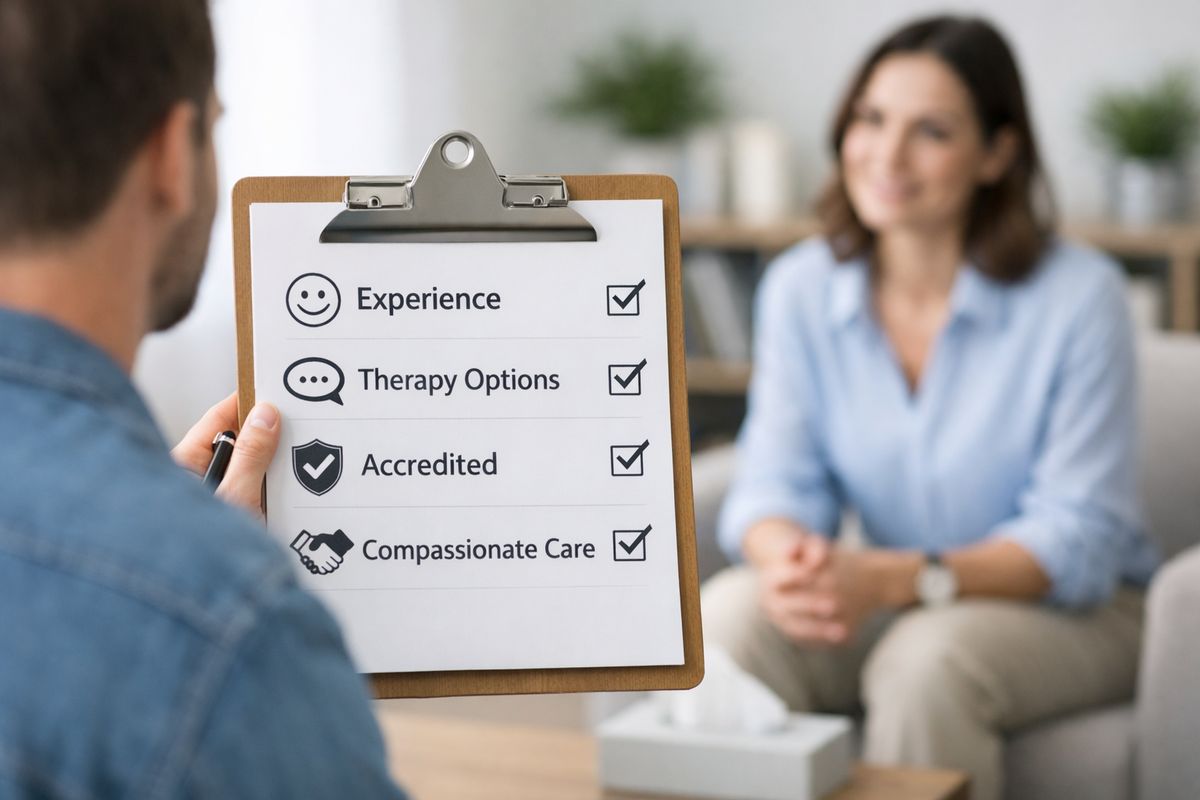
Accreditation and licensing
Verify that the center meets state regulations and holds accreditation from bodies such as the Joint Commission. For guidance on top options, view our list of the best detox center for addiction.
Specialized programs
Look for facilities offering tailored tracks:
- Detox program for young adults
- Detox for polysubstance addiction
- Detox program for veterans in recovery
- Detox program with dual diagnosis care
Facility environment
Tour the property or view photos to ensure a comfortable, supportive setting. Amenities like private rooms, outdoor areas, and on-site gyms can enhance your stay. Explore centers that emphasize holistic healing in our detox center with behavioral health support.
Taking the next step
Deciding to enter a residential detox marks a courageous commitment to your health. When you reach out, prepare to ask:
- Which treatment modalities are available?
- How long is the typical stay?
- What insurance plans do you accept?
- How do you handle medical emergencies?
If you are ready, contact a facility today or learn more about options on our best detox center for addiction page. Recovery begins with the first call, and your path to lasting health starts now.