
Understanding medical detox
When you choose medical detox for alcohol withdrawal, you enter a process designed to manage your physical dependence in a safe, supervised environment. This medically supervised alcohol detox helps reduce the risk of dangerous complications, such as seizures or delirium tremens, by monitoring your vital signs and adjusting medications as needed. In fact, in 2020 the SAMHSA National Helpline received 833,598 calls, marking a 27 percent increase from 2019 [1]. This surge illustrates the growing need for professional support during detoxification.
Role of medical supervision
A trained medical team—typically including physicians, nurses, and addiction specialists—oversees every stage of your detox. They:
- Conduct regular health assessments
- Adjust medications to ease symptoms
- Monitor for life-threatening signs, such as irregular heartbeat or extreme agitation
- Provide emotional support and guidance
By entrusting your care to professionals, you gain access to evidence-based treatment and the support necessary for lasting recovery.
Why detox matters
Detoxification clears alcohol from your body, but it also addresses the severe physiological changes caused by prolonged use. Left unmanaged, withdrawal can worsen through a phenomenon called kindling, which increases seizure risk with repeated detox attempts [2]. Medical detox:
- Reduces discomfort and risk
- Stabilizes your condition
- Lays the groundwork for ongoing treatment
Overall, a structured detox program strengthens your chances for long-term sobriety.
Preparing for alcohol detox
Before you arrive for detox, you and the care team will work together to ensure your safety and comfort.
Medical assessment
During an initial evaluation, providers will:
- Review your drinking history and any co-occurring disorders
- Conduct blood tests to check liver and kidney function
- Screen for nutritional deficiencies, such as thiamine levels
- Administer the Clinical Institute Withdrawal Assessment (CIWA) scale to estimate withdrawal severity [3]
This assessment helps create an individualized plan tailored to your unique challenges.
Personal preparations
To be ready for your stay:
- Gather personal items: comfortable clothing, toiletries, and a phone charger.
- Inform family or friends of your treatment dates and visitation policies.
- Arrange responsibilities at work or home to minimize stress.
- Discuss insurance coverage, out-of-pocket costs, and any financial aid options.
Planning ahead lets you focus on recovery rather than logistics.
Timeline of alcohol withdrawal
Alcohol withdrawal unfolds in distinct phases. Knowing what to expect can help you cope and stay motivated.
Early withdrawal phase
- Onset: 6–12 hours after last drink
- Symptoms: anxiety, insomnia, tremors, sweating
- Typical duration: 24 hours
Most people experience mild to moderate discomfort during this phase [4].
Peak withdrawal phase
- Onset: 24–72 hours after last drink
- Symptoms: elevated heart rate, high blood pressure, hallucinations, seizures
- Typical duration: 2–4 days
Medical supervision is crucial as symptoms peak. In severe cases, up to 10 percent of individuals may develop delirium tremens, which has a mortality rate between 5 and 25 percent if untreated (NCBI).
Protracted withdrawal
- Onset: days to weeks after detox
- Symptoms: anxiety, depression, sleep disturbance, mood swings
- Typical duration: weeks to months
These lingering effects can undermine motivation. A comprehensive aftercare plan addresses these protracted symptoms.
Managing common withdrawal symptoms
During detox, you will face both physical and emotional challenges. Understanding symptom categories helps you and your care team respond effectively.
Physical symptoms
- Nausea and vomiting
- Tremors and headaches
- Elevated blood pressure and heart rate
- Seizures (in more than 5 percent of untreated patients, usually within 48 hours) [5]
Medical staff will use medications and hydration to minimize these effects.
Emotional symptoms
- Anxiety and panic attacks
- Depression and mood swings
- Irritability and agitation
- Difficulty concentrating
Counselors and therapists help you develop coping strategies, such as deep-breathing exercises and mindfulness techniques.
Using medication supports
Medications play a central role in reducing withdrawal severity and preventing complications.
Benzodiazepines
Benzodiazepines—such as diazepam or lorazepam—are the gold standard for treating moderate to severe withdrawal. They:
- Decrease anxiety
- Reduce risk of seizures and delirium tremens
- Promote restful sleep
When administered under medical supervision, benzodiazepines significantly lower morbidity and mortality.
Anticonvulsants and other meds
In some cases, providers may use:
- Carbamazepine or gabapentin to manage mild to moderate symptoms
- Barbiturates (phenobarbital) with careful monitoring
- Thiamine supplementation to prevent Wernicke-Korsakoff’s syndrome
These options help manage specific risks, such as seizures and cognitive complications.
Medication-assisted treatment
After the acute phase, you may transition into a medication assisted treatment program for ongoing support. MAT can include:
- Naltrexone to reduce cravings for alcohol
- Acamprosate to stabilize brain chemistry
- Disulfiram to deter drinking
By combining pharmacology with therapy, MAT offers a comprehensive care approach.
Building supportive environment
A nurturing setting and a strong care team are key to your success.
Professional care team
Your medical and mental health professionals collaborate to deliver:
- Continuous monitoring
- Medication adjustments
- Psychological support
A detox with medication management support ensures expert oversight around the clock.
Peer and family support
Connecting with peers and involving loved ones:
- Reduces feelings of isolation
- Encourages accountability
- Fosters motivation
Consider a detox program with counseling support or group sessions where you can share experiences and build camaraderie.
Planning long-term recovery
Detox is the first step. An individualized aftercare plan helps sustain sobriety and addresses protracted symptoms.
Therapy and counseling
After detox, you may benefit from:
- Cognitive behavioral therapy to reframe negative thought patterns
- Family therapy to repair relationships
- Dual diagnosis care if you have co-occurring mental health disorders [6]
Ongoing therapy reinforces coping skills and emotional resilience.
Ongoing aftercare
A structured transition reduces relapse risk:
- Outpatient rehab programs
- Sober living arrangements
- Support groups such as Alcoholics Anonymous
Linking detox to alcohol detox and outpatient rehab ensures continuity of care.
Choosing your detox program
Selecting the right setting and services can shape your recovery journey.
Inpatient vs outpatient
| Feature | Inpatient detox | Outpatient detox |
|---|---|---|
| Level of supervision | 24/7 medical and emotional support | Scheduled visits to a clinic |
| Intensity of care | High-intensive, structured daily routine | Flexible, allows living at home |
| Ideal candidates | Severe dependence, high-risk withdrawal, co-occurring conditions | Mild to moderate symptoms, strong support network |
| Common internal links | residential detox for substance abuse | outpatient drug detox services |
Specialized services
Look for centers offering:
- Holistic therapies, such as yoga and meditation
- Dual diagnosis treatment
- Veteran-focused programs [7]
These tailored treatment programs address your unique challenges.
Insurance and costs
Discuss with your provider:
- Coverage for detox and MAT
- Out-of-pocket expenses
- Sliding-scale or charity care options
Finding a best detox center for addiction that fits your budget helps minimize financial stress.
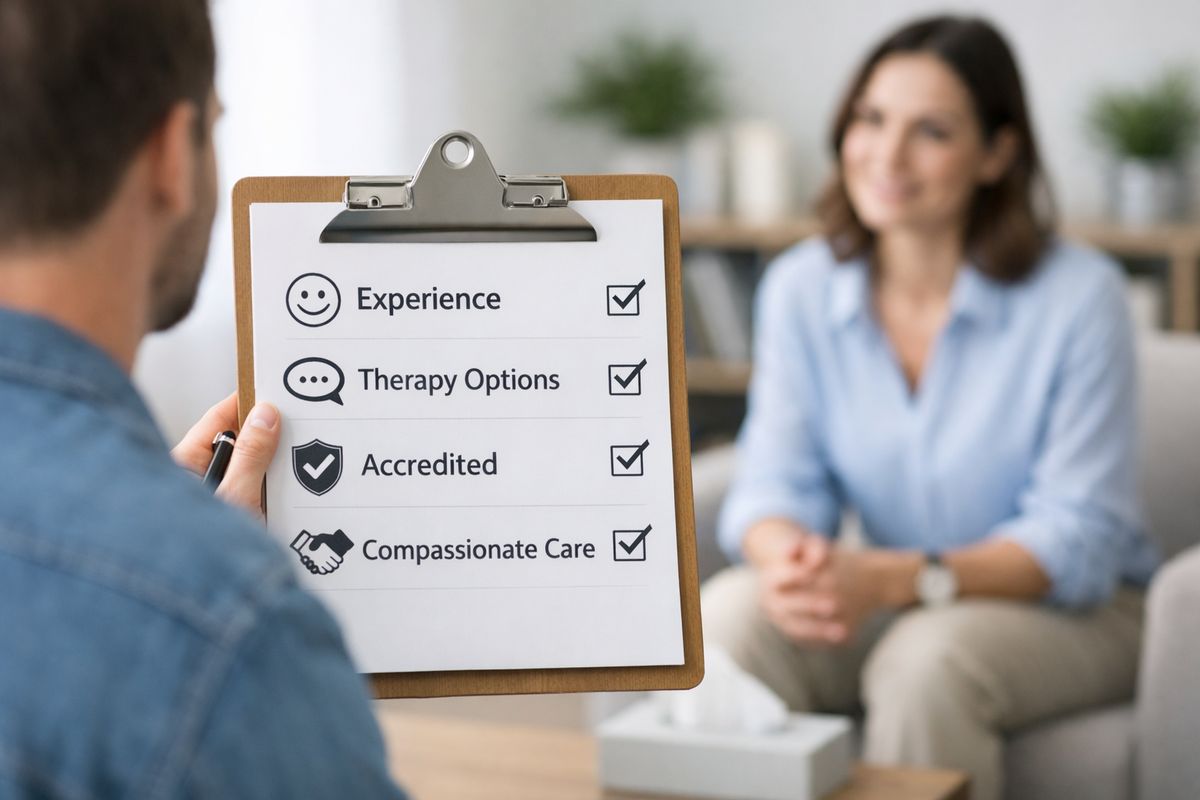
By understanding what to expect during medical detox for alcohol withdrawal and preparing accordingly, you take a critical step toward reclaiming your health. With tailored treatment programs, comprehensive care, and a supportive environment, you can navigate withdrawal safely and build the foundation for lasting recovery. If you’re ready to begin, reach out today and explore your options for a healthier tomorrow.