
Explore detox program types
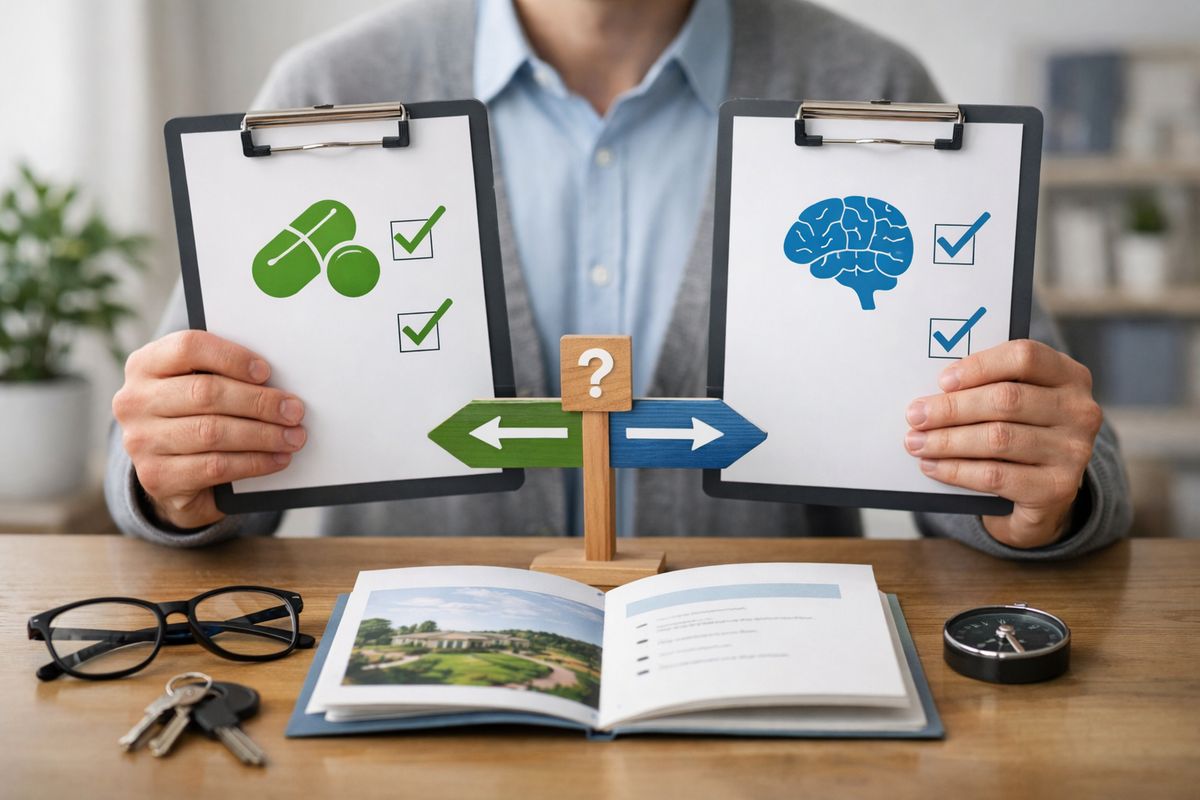
When you seek a detox center with behavioral health support, you will encounter several program options tailored to your needs. Understanding each type helps you choose a pathway aligned with your substance use history, medical requirements, and personal circumstances.
Medically supervised detox
Medically supervised detox offers round-the-clock care from health professionals who guide your body through withdrawal safely. In this setting, doctors and nurses monitor vital signs, administer medications, and intervene if complications arise.
- Typical length: 3 to 10 days, depending on substance and severity
- Staff credentials: Registered nurses (RN), licensed practical nurses (LPN), advanced practice registered nurses (APRN)
- Focus areas: Physical stabilization, medication management, safety monitoring
For alcohol or benzodiazepine withdrawal, medically managed detox can last up to ten days, followed by therapies like cognitive behavioral therapy and dialectical behavioral therapy (DBT) to address underlying behaviors. You can learn more about specialized protocols in medical detox for alcohol withdrawal.
Outpatient detox services
Outpatient drug detox services allow you to receive care while continuing work, school, or family responsibilities. You typically meet for 10 hours per week, making this the lowest level of formal care after residential or partial hospitalization.
- Duration: 3 months to over a year
- Cost: Generally lower than inpatient programs
- Ideal candidates: Those who have managed triggers, resist urges, and remain motivated
Medication-assisted treatments (MAT), such as methadone, buprenorphine, or naltrexone, often support your outpatient journey. After stabilization, you transition smoothly into an opioid detox program or an outpatient suboxone program if you face opioid dependency.
Residential detox programs
Residential detox for substance abuse provides an immersive environment free from external triggers. You stay on-site around the clock, supported by a multidisciplinary team that addresses both physical and behavioral health needs.
- Stay length: Typically 7 to 14 days for detox, plus longer as needed
- Staff roles: Physicians, nurses, therapists, behavioral health technicians
- Holistic therapies: Yoga, art, music, nutrition counseling
Facilities like Columbus Springs emphasize integrated care, tackling co-occurring mental health issues alongside withdrawal management. Learn more about comprehensive residential services in residential drug and alcohol detox center.
Comparing program features
| Feature | Medically supervised | Outpatient services | Residential programs |
|---|---|---|---|
| 24/7 medical monitoring | Yes | No | Yes |
| Flexible scheduling | No | Yes | No |
| Holistic therapy options | Limited | Limited | Extensive (yoga, art, music) |
| Cost | Moderate to high | Lower | Moderate to high |
| Ideal for severe dependencies | Yes | No | Yes |
Understand behavioral health support
Detox without behavioral health care often leads to unmanaged emotions and higher relapse risk. By integrating counseling, therapy, and peer support, you build coping tools critical for lasting recovery.
Counseling and therapy services
Behavioral health support begins with evidence-based therapies that address the psychological roots of addiction. Your program may include:
- Individual therapy: One-on-one sessions that explore personal triggers, trauma, and coping strategies
- Group therapy: Peer discussions fostering mutual support and accountability
- Family therapy: Sessions that involve loved ones to rebuild communication and trust
These approaches create a supportive environment where you can discuss sensitive topics safely and learn from others facing similar challenges.
Individual therapy
In personalized sessions, a licensed counselor or psychologist uses techniques like motivational interviewing and cognitive behavioral therapy (CBT) to:
- Identify negative thought patterns
- Develop healthier behavioral responses
- Create relapse prevention plans
Group therapy
Group settings offer camaraderie and shared experience. Typical formats include:
- Process groups: Open discussions on emotions and challenges
- Psychoeducational groups: Teaching skills such as stress management
- Support groups: Peer-led meetings that reinforce sober living
Medication assisted treatment
Medication assisted treatment program options combine medications with counseling to reduce cravings and improve outcomes. As part of an MAT plan, you might encounter:
- Buprenorphine or methadone: Opioid agonists that stabilize brain chemistry
- Naltrexone: An opioid antagonist that blocks euphoric effects
- Acamprosate: Supports sobriety in alcohol use disorder
Evidence shows MAT can reduce overdose risk and improve retention in treatment. If you’re exploring MAT, consider visiting a suboxone clinic for opioid addiction or reviewing our guide on the medication assisted opioid treatment.
Recognize the benefits of integrated care
Combining detox with behavioral health support delivers comprehensive care that addresses your whole person—body, mind, and spirit.
Treating co-occurring disorders
Nearly half of individuals with substance use disorder also face mental health challenges. Integrated programs screen for and treat conditions like depression, anxiety, or PTSD simultaneously with detox. Collaborative care models involving physicians, care managers, and psychiatrists improve outcomes for both mental health and addiction [1].
Tailoring individualized plans
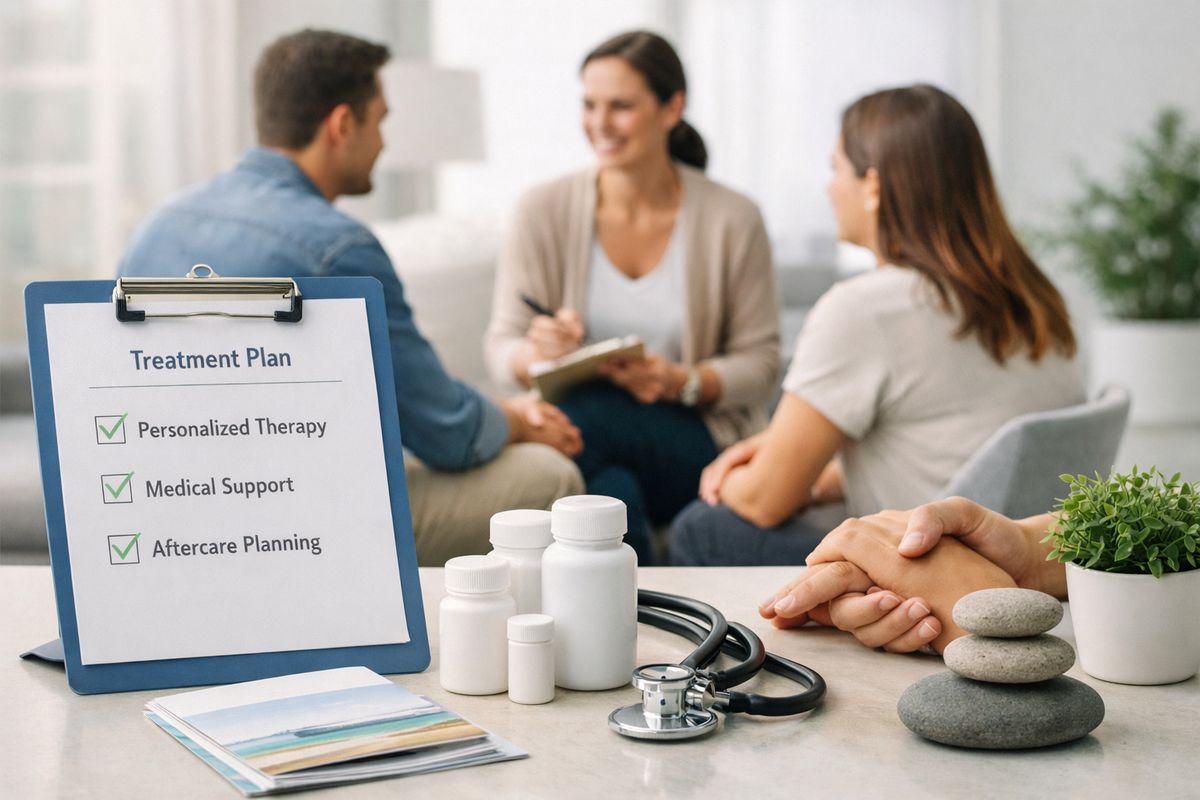
Your care team crafts a personalized treatment plan that evolves as you progress. Components may include:
- Medical evaluation: Health screenings, lab tests, medication reviews
- Behavioral assessments: Identifying risks, strengths, and goals
- Aftercare planning: Exit strategies for continued support
This adaptive framework ensures you receive the right level of care at each stage of recovery, whether you transition to detox with holistic treatment options or specialized detox for polysubstance addiction.
Prepare for your detox stay
Knowing what to expect helps you feel more comfortable and secure when entering a detox center with behavioral health support.
What to bring
Pack items that promote comfort and practical care:
- Photo ID and insurance information
- Comfortable clothing and non-skid footwear
- Personal hygiene items (toothbrush, shampoo, razor)
- List of current medications
- A journal and writing tools for reflection
Leave valuables at home to minimize loss or distraction.
What to expect in first 24 hours
Upon arrival, you will:
- Undergo medical intake: Vital signs check, withdrawal assessment, lab work
- Meet your care team: Physicians, nurses, therapists, case managers
- Begin withdrawal management: Medications as needed, symptom monitoring
- Attend orientation: Program schedule, rules, safety procedures
Your first day sets the stage for a structured environment focused on stabilization and support.
Plan for transition to ongoing care
Successful detox is only the beginning. A smooth handoff to aftercare services helps maintain momentum and prevent relapse.
Outpatient aftercare options
After detox, you may step down to an outpatient program that includes:
- Individual and group therapy
- Continued MAT or Suboxone maintenance
- Life skills and vocational support
Outpatient care lets you apply new strategies in real-world settings while retaining professional oversight. Explore outpatient detox and counseling program for details.
Building your support network
Sustaining recovery relies on strong connections and accountability. Consider:
- Peer support groups such as Narcotics Anonymous or Alcoholics Anonymous
- Alumni programs at your treatment center
- Family and friends committed to your sobriety
- Sponsors, mentors, or recovery coaches
Maintaining these relationships promotes healthy habits, offers encouragement during challenges, and reinforces your commitment to a sober life.
Take proactive steps forward
Choosing a detox center with behavioral health support is a significant move toward recovery. By understanding program types, leveraging counseling and MAT, and planning for aftercare, you equip yourself with the tools necessary for lasting change. If you’re ready to begin, explore our resources on the best detox center for addiction or find specialized care in a detox program with dual diagnosis care. Your journey to wellness starts now.
References
- (NCBI)