When you’re looking for a suboxone clinic for opioid addiction, you need a clear roadmap to guide your decision. A suboxone clinic offers medication-assisted treatment (MAT) using buprenorphine and naloxone to ease withdrawal symptoms, reduce cravings, and support long-term recovery. With options ranging from outpatient detox to residential programs and virtual support, understanding how to find the right clinic for your unique situation is essential.
This guide walks you through the key steps—from defining your treatment goals to planning ongoing care—so you can make an informed choice with confidence.
Determining your treatment needs
Before evaluating clinics, take time to clarify what you need in a recovery program. Consider factors such as:
- Severity of opioid use
• Frequency and dosage of opioids you’ve been using
• History of withdrawal symptoms (e.g., muscle aches, insomnia, cravings) [1] - Co-occurring health conditions
• Mental health disorders (anxiety, depression)
• Chronic pain or medical issues - Support network and living environment
• Access to stable housing and family support
• Ability to attend outpatient sessions or need residential care - Financial and insurance coverage
• Insurance plans that cover MAT and therapy
• Out-of-pocket budget for treatment and follow-up visits
By defining your needs, you can narrow your search to clinics that offer the right combination of detox support, therapy, and aftercare. If you require medical supervision during withdrawal, explore options such as an opioid detox program or residential detox for substance abuse. For milder symptoms with strong home support, outpatient drug detox services may be sufficient.
Exploring detox options
Detox is the first clinical step toward recovery. Suboxone clinics often incorporate detox with medication management, easing the transition to long-term treatment. Key detox options include:
| Detox model | Description | Ideal for |
|---|---|---|
| Outpatient detox | Medication-assisted visits at a clinic or via telehealth | Mild to moderate withdrawal, supportive home |
| Residential detox | 24/7 medical supervision in a live-in facility | Severe symptoms, co-occurring disorders |
| Medically managed support | Combination of medication review, clinical resources, and counseling | Complex medical or psychiatric needs |
- Outpatient detox programs allow you to maintain daily routines while receiving buprenorphine-naloxone injections or sublingual therapy.
- Residential detox offers round-the-clock observation, ensuring safety for those with high-acuity or co-occurring conditions.
- Medically managed programs blend clinical oversight with behavioral health services, addressing both physical withdrawal and mental wellness.
Most suboxone clinics integrate detox with ongoing MAT. When exploring options, ask whether the clinic provides a medication assisted treatment program that includes both induction (starting Suboxone) and stabilization phases.
Verifying clinic credentials
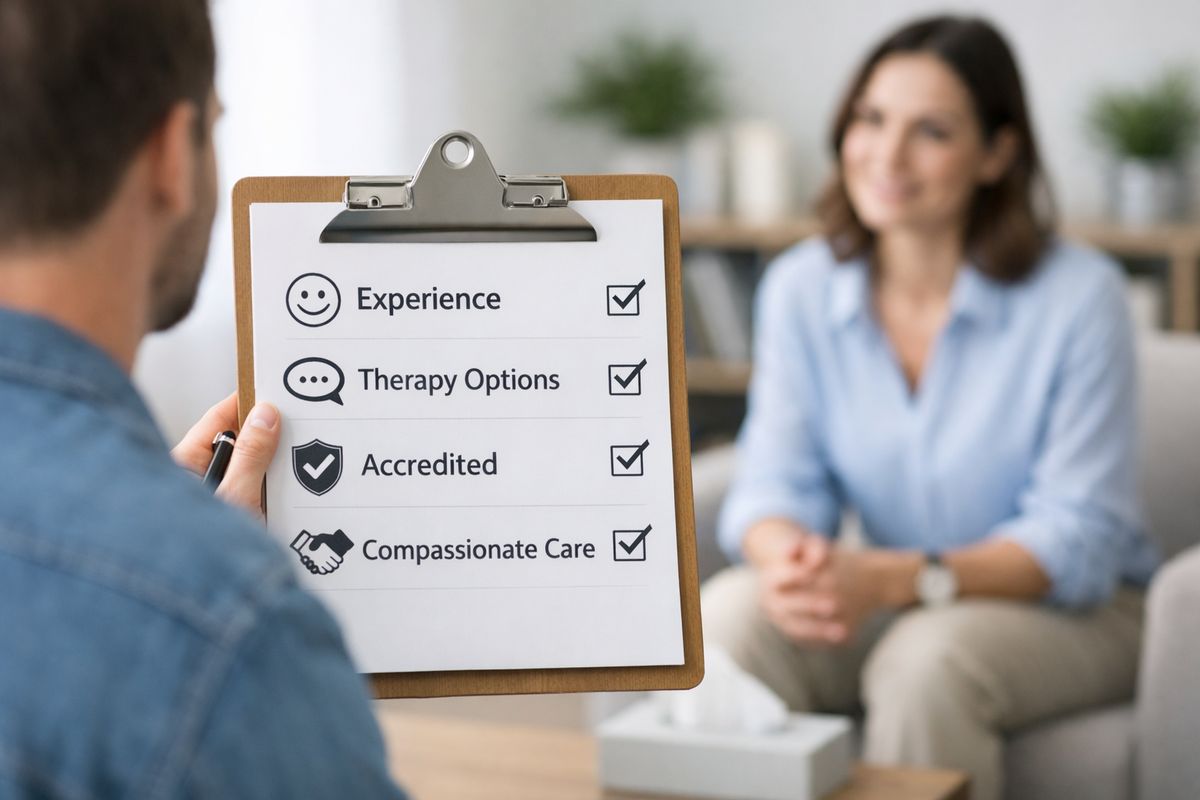
Once you’ve identified clinics offering detox and MAT, verify their qualifications. Credentials and accreditation signal adherence to industry standards:
- Licensing and certification
• Check state licensure for opioid treatment programs (OTPs) under 42 CFR 8 [2]
• Confirm SAMHSA accreditation or provisional certification - Provider qualifications
• Look for board-certified addiction medicine physicians, physician assistants, or nurse practitioners
• Verify any buprenorphine-waivered practitioners; note that waiver training requirements have been eliminated to expand access [3] - Clinic reputation
• Read patient testimonials and outcome data
• Inquire about success rates, such as percentage of patients abstinent at six months [4] - Compliance with federal guidelines
• Ensure the clinic educates on HIV and other infectious diseases [2]
• Verify regular onsite inspections and quality reviews
There are over 50,000 buprenorphine treatment providers in the US, and Suboxone clinics must meet rigorous standards to operate safely and effectively [5]. Choosing an accredited facility ensures you receive evidence-based care and legal protections.
Comparing treatment services
Not all suboxone clinics offer the same range of services. Compare offerings to find the program that aligns with your needs:
- Medication management
- Buprenorphine-naloxone induction and dosage adjustments
- Side effect monitoring and interactions [6]
- Therapy and counseling
• Individual therapy targeting underlying issues
• Group sessions for peer support and accountability
• Family counseling when appropriate - Peer support and virtual resources
• Online meetings and telehealth check-ins
• Recovery coaching and community referrals - Aftercare and follow-up
• Regular visits to monitor progress and cravings
• Transition options to a suboxone maintenance treatment program or outpatient suboxone program - Holistic adjuncts
• Nutritional support, exercise, yoga, meditation
• Referrals to housing, job placement, and social services [4]
Table: Sample service comparison
| Service | Clinic A | Clinic B | Clinic C |
|---|---|---|---|
| Medication management | In-clinic induction | Telehealth available | Onsite pharmacy |
| Individual therapy | Weekly sessions | Twice-weekly sessions | Optional, on referral |
| Group support | Daily peer meetings | Virtual only | Integrated in detox stay |
| Follow-up frequency | Weekly | Biweekly | Monthly |
| Holistic therapies | Yoga and meditation | Nutrition counseling | Art therapy |
When comparing clinics, look for programs recognized as the best suboxone treatment program in outcome studies, but also weigh their fit with your lifestyle and recovery goals.
Planning for ongoing care
Effective recovery extends beyond initial detox and stabilization. Planning for maintenance and relapse prevention is critical:
- Maintenance treatment strategies
• Long-term Suboxone therapy vs gradual tapering [3]
• Combining MAT with medication assisted opioid treatment and counseling - Relapse prevention planning
• Identifying triggers and coping mechanisms
• Enrolling in a detox with mental health treatment combined program if you have co-occurring disorders
• Leveraging peer support groups and community resources - Monitoring and support
• Scheduled drug screening and adherence checks
• Access to a 24/7 helpline or crisis services - Aftercare services
• Step-down to outpatient counseling
• Participation in sober living or alumni groups
• Periodic check-ins with your treatment team
Approximately 87 percent of patients at some clinics remain opioid-free for at least six months when they follow structured MAT and behavioral health plans [4]. A clear aftercare roadmap increases your chances of lasting success.
Taking the next step
With your research complete, you’re ready to choose and enroll in a suboxone clinic for opioid addiction that meets your needs:
- Schedule consultations
- Prepare questions about detox protocols, treatment phases, and aftercare.
- Ask about costs, insurance coverage, and sliding-scale options.
- Tour the facility or join a virtual orientation
- Evaluate the environment, staff rapport, and group dynamics.
- Review agreements and consent forms
- Understand your rights, confidentiality practices, and program commitments.
- Commit to your personalized plan
- Set clear goals for induction, stabilization, and maintenance.
- Identify a support person to encourage accountability.
Embarking on this journey is a courageous step. By determining your needs, exploring detox options, verifying credentials, comparing services, and planning ongoing care, you’ll find a suboxone clinic ready to support you at every stage. Take the first step today toward a safer, more stable future in recovery.