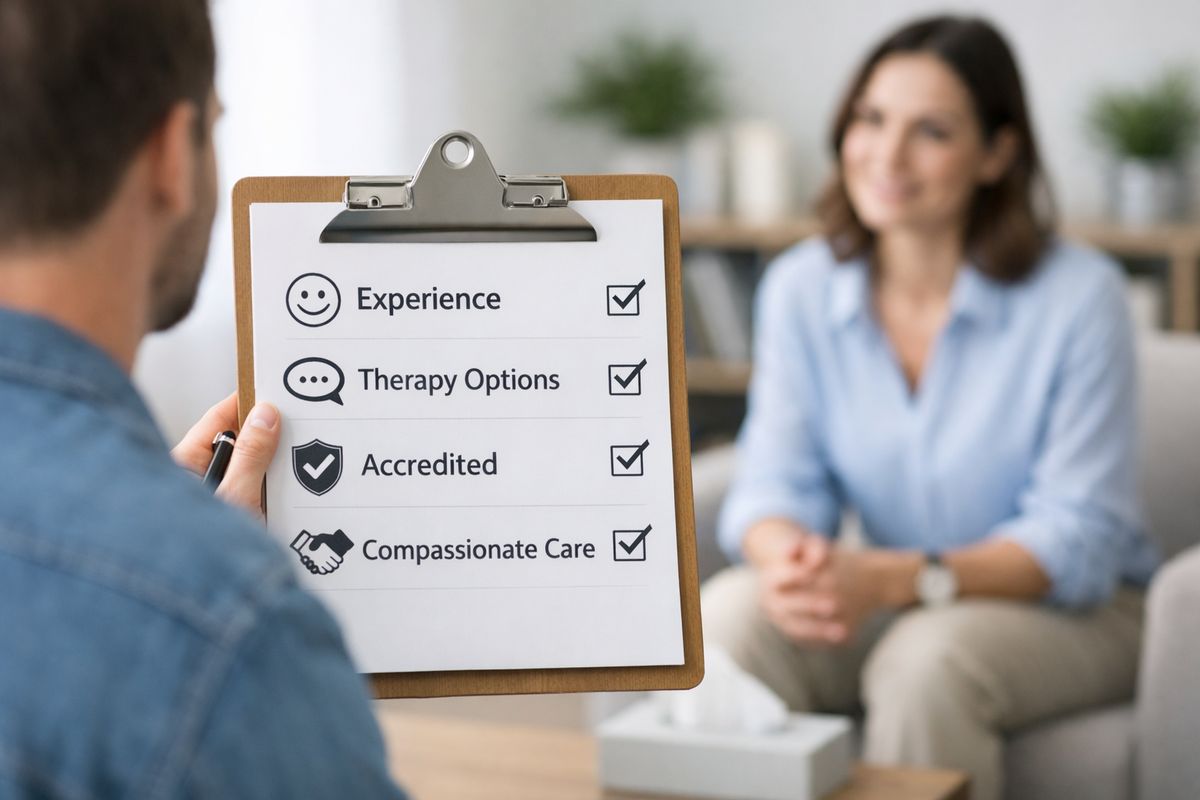

Understanding detox essentials
You may have decided that a detox program for veterans in recovery is the first step toward reclaiming your life. Detox, or detoxification, involves the safe removal of alcohol and drugs from your body under professional supervision. For veterans, this process often intersects with service-related stressors and co-occurring mental health conditions. By choosing a recovery-focused detox plan designed for military clients, you benefit from an approach that acknowledges your unique challenges, comprehensive care, and individualized plans.
What detox involves
Detox typically unfolds in several stages:
- Assessment and screening: Clinicians evaluate your medical history, substance use patterns, and mental health status.
- Medical stabilization: In medical detox, professionals monitor vital signs and administer medications to ease withdrawal symptoms.
- Symptom management: You may receive FDA-approved medications to reduce cravings and prevent complications.
- Preparation for next steps: Staff help you plan transition into therapy or longer-term treatment.
As a result, you leave detox with a clearer mind and a stronger foundation for sustainable recovery.
Unique veterans challenges
Veterans often confront barriers not seen in civilian populations:
- Co-occurring disorders: Many service members experience PTSD, depression, or anxiety alongside substance use disorders [1].
- Stigma and self-reliance: Military culture emphasizes toughness, which can deter you from admitting the need for help [1].
- Rural access limitations: Over 40 percent of veterans live in rural areas with scarce addiction and mental health resources [1].
- Care gaps: Approximately 60 percent of veterans with mental health issues do not seek treatment, underscoring unmet needs [2].
Recognizing these factors is essential for creating a supportive environment where you can focus on healing.
Comparing detox options
You have several pathways to begin detox. Each option balances medical oversight, convenience, and cost.
| Option | Setting | Benefits | Considerations |
|---|---|---|---|
| Medically supervised detox | Hospital or clinic | 24/7 monitoring, emergency support | Requires admission, higher cost |
| Residential detox | Inpatient facility | Structured routine, peer support | Time away from home, possible waiting list |
| Outpatient detox | Ambulatory care | Flexibility, lower cost | Needs stable home environment, daily visits |
Medically supervised detox
In a hospital or specialized unit, staff continuously observe your vital signs and adjust medications as needed. This setting is ideal if you have severe withdrawal risks or co-occurring medical conditions. You might explore a medically managed detox for substance abuse program for round-the-clock care.
Residential detox
A residential detox program blends medical supervision with a supportive community. You stay on site, focusing entirely on withdrawal management and early therapy sessions. Veterans often find camaraderie with peers who share similar service experiences. To compare facilities, check our guide on residential detox for substance abuse.
Outpatient detox
Outpatient detox lets you return home each day after receiving medication, counseling, and medical checks. This approach fits those with milder symptoms or strong family support. You can learn more about scheduling and eligibility through outpatient drug detox services.
Preparing for detox
Careful preparation ensures smoother withdrawal and reduces the risk of complications.
Medical evaluation
Before admission, you undergo:
- Physical exam: To identify any health concerns that could affect withdrawal.
- Laboratory tests: Including liver function, electrolyte levels, and screening for infectious diseases.
- Psychiatric assessment: To uncover co-occurring disorders like PTSD or depression.
By sharing your full service and health history, you enable clinicians to create an individualized plan—critical for veterans with complex needs.
Family involvement and planning
Your recovery improves when loved ones are engaged. Consider:
- Informing family or close friends about treatment dates and visiting policies.
- Discussing financial or childcare arrangements during residential stays.
- Planning post-detox support, such as transportation to outpatient appointments.
Family members can provide crucial encouragement and accountability, reinforcing your commitment to sobriety.
Utilizing medication-assisted detox
Medication-assisted detox (MAD) combines medications with counseling and behavioral therapies to maximize withdrawal safety and comfort.
Role of medication in detox
Common FDA-approved medications include:
- Buprenorphine: Reduces opioid cravings and withdrawal intensity.
- Methadone: Stabilizes opioid receptors, preventing severe symptoms.
- Naltrexone: Blocks opioid effects after detox to discourage relapse.
- Benzodiazepines: Often used short term to ease alcohol or sedative withdrawal.
These medications form part of a medication assisted treatment program tailored to your needs.
Suboxone and opioid detox
Suboxone, a buprenorphine-naloxone combination, offers key advantages for opioid detox:
- Ceiling effect on respiratory depression for safety.
- Office-based prescribing makes follow-up easier.
- Lower stigma than methadone clinics.
Veterans may choose a suboxone clinic for opioid addiction or an outpatient suboxone program to maintain daily routines while receiving care.
Transitioning to ongoing care
Completing detox marks a milestone, not the finish line. You need a seamless shift into next-level treatment.
Post-detox treatment levels
Treatment intensities include:
- Residential rehab: Structured day and evening schedules with therapy, education, and group activities.
- Intensive outpatient programs (IOP): Multiple weekly sessions for counseling and skill building.
- Standard outpatient care: Weekly or biweekly visits for therapy and medication management.
Your detox provider can connect you with residential detox with aftercare planning or alcohol detox and outpatient rehab programs.
Aftercare planning and relapse prevention
Long-term success hinges on robust aftercare:
- Sober living homes: Offer peer accountability in a substance-free environment.
- Relapse prevention therapy: Teaches coping strategies and triggers management.
- Support groups: Groups like AA, NA, and veteran-focused meetings build camaraderie.
Integrate a drug detox with relapse prevention plan to guard against early setbacks.
Overcoming veterans barriers
Even after treatment, veterans face obstacles to recovery that require proactive solutions.
Access and stigma issues
Many veterans hesitate to seek treatment due to:
- Fear of career repercussions or judgment by peers.
- Belief that self-reliance means handling issues alone.
- Concerns about confidentiality within the VA system.
By connecting with veteran-specific programs, you enter a supportive environment where confidentiality and respect are core values.
Rural area considerations
If you live in a remote location:
- Explore telehealth options for counseling and medication management.
- Use the VA Community Care Network to access local providers.
- Check for mobile outreach teams or veteran peer specialists.
These resources can bridge service gaps and reduce travel burdens.
Engaging support networks
Recovery thrives on strong support from peers, professionals, and loved ones.
Peer support and VA programs
Many substance abuse programs incorporate veteran-to-veteran group therapy. Sharing combat and reintegration experiences fosters trust and understanding [3]. In addition:
- Peer support specialists: Trained veterans who guide you through treatment.
- VA residential rehabilitation: Structured 24/7 programs for mental health and substance use disorders [4].
Family and community resources
Your family plays a vital role. They can:
- Attend family therapy sessions.
- Learn relapse warning signs.
- Provide stable living conditions after detox.
Community Vet Centers also offer free private counseling, alcohol and drug assessments, and support for combat veterans without VA benefits [5].
Accessing veteran services
Navigating veteran benefits can feel complex. Here’s how to get started.
VA health benefits
To access VA substance use treatment:
- Apply for VA health care: Eligibility depends on service history and income.
- Screen with your primary care provider: Discuss substance use concerns to receive referrals.
- Contact OEF/OIF/OND coordinators: If you served in recent conflicts, reach out directly for dedicated support [5].
Vet Centers and crisis line
- Community Vet Centers: Over 300 centers nationwide offer free counseling for combat-related trauma and substance use.
- Veterans Crisis Line: Available 24/7 for confidential help, connecting you with responders who understand military life [5].
Setting recovery goals
Defining clear objectives helps you measure progress and stay motivated.
Short-term objectives
- Complete medical detox safely.
- Attend all scheduled therapy sessions.
- Establish daily routines for sleep, nutrition, and activity.
Long-term independence
- Transition into work or vocational training.
- Build sober social networks.
- Maintain regular check-ins with counselors or peer mentors.
Revisit these goals regularly and adjust them to reflect your evolving needs and victories.
Next steps and resources
Additional reading
- Learn about specialized detox centers in our best detox center for addiction guide.
- Explore options for detox with medication management support.
- Compare outpatient and residential care in detox program with dual diagnosis care.
Contact and help lines
If you or a loved one needs immediate assistance, call the Veterans Crisis Line at 988 then press 1, or chat online at https://988lifeline.org. You do not have to face withdrawal or recovery alone—help is available 24 hours a day.
Taking the first step toward a detox program for veterans in recovery can be daunting, but you are not alone. With tailored treatment programs, evidence-based approaches, and a network of support, you can begin your journey to healing and lasting independence.