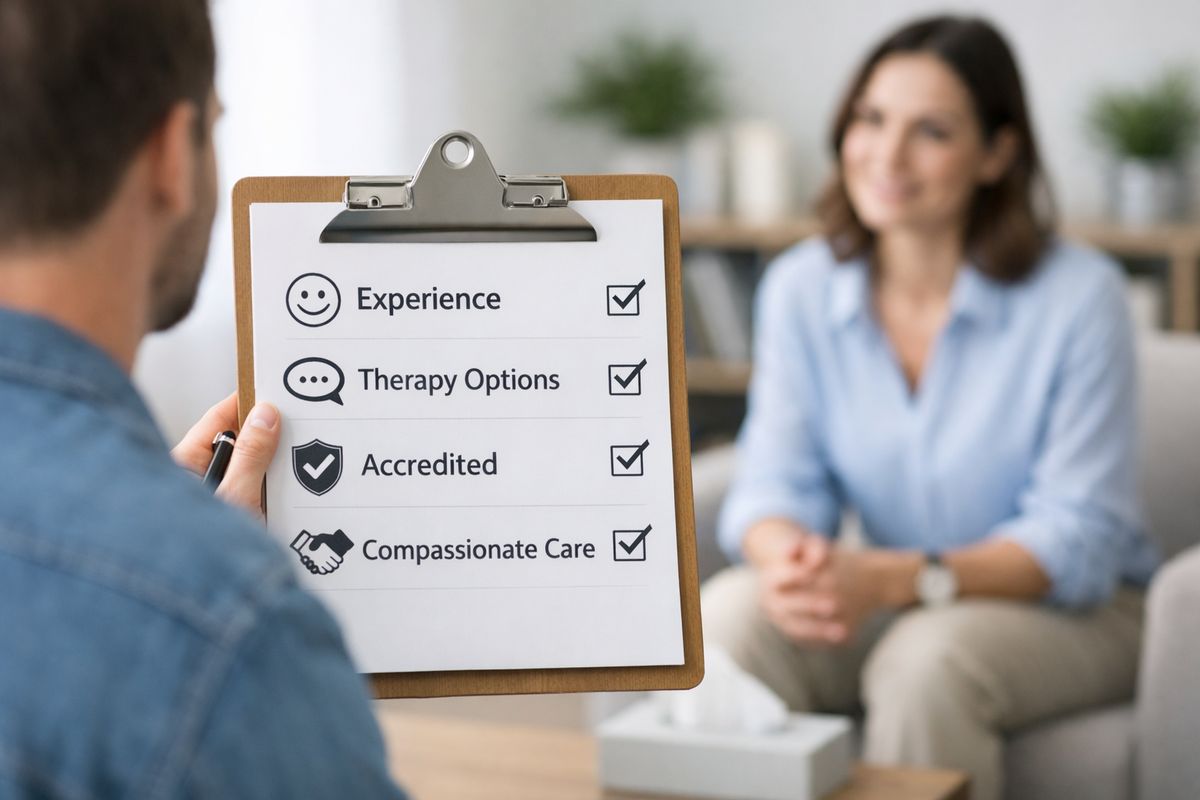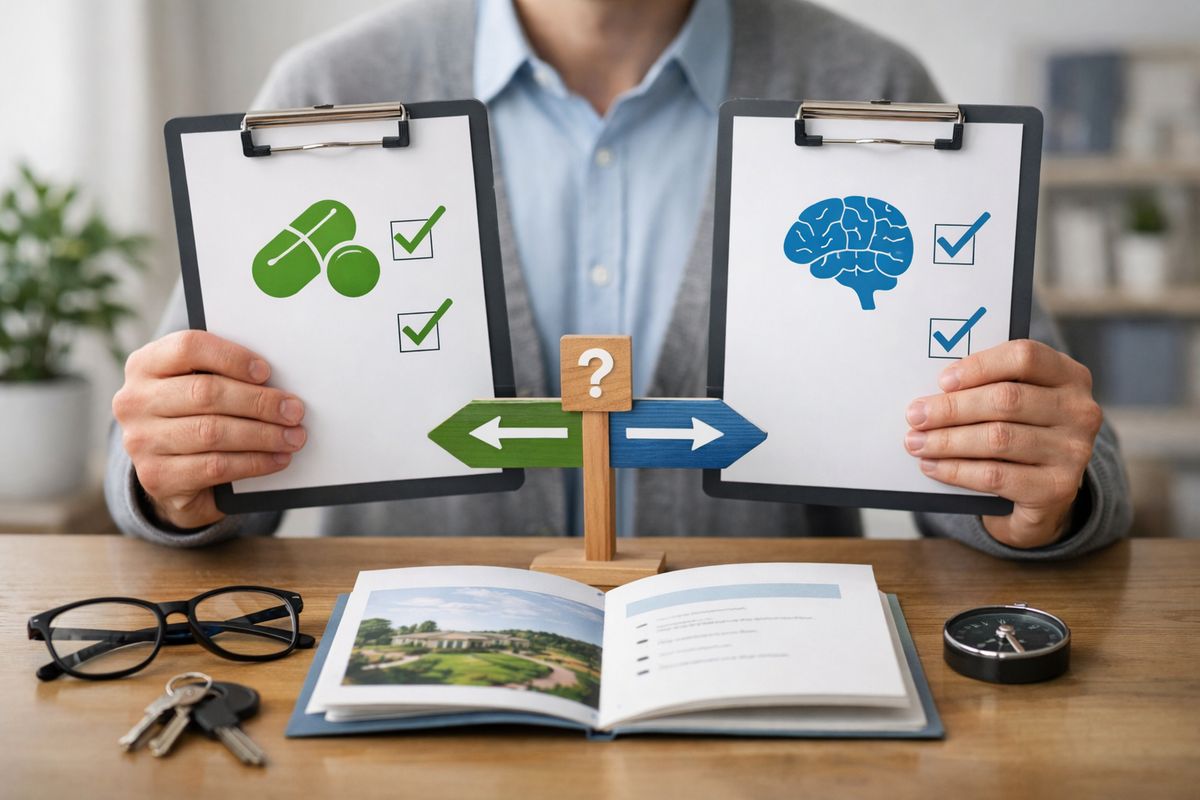

Your journey to recovery often begins with a detox program with counseling support, combining medical supervision and therapeutic guidance to help you safely withdraw from substances while addressing underlying factors that fuel addiction. By integrating evidence-based counseling techniques into the detoxification process, you gain practical tools for coping with cravings, managing stress, and building a solid foundation for long-term sobriety. In this article, you’ll learn about the key elements of detox programs with counseling support, the range of available options and how to plan your transition into ongoing care.
Detox with counseling support
A detox program with counseling support blends medical oversight of withdrawal symptoms and structured therapy sessions. During detoxification, your body rids itself of drugs or alcohol, and counseling helps you:
- Understand triggers that led to substance use
- Learn coping strategies for early recovery
- Build motivation for lasting change
- Develop a relapse prevention plan
Counseling serves as a bridge from acute withdrawal into comprehensive addiction treatment. Research shows that individuals who receive compassionate emotional support during detox are more likely to engage in ongoing care and maintain sobriety [1]. By choosing a program that offers both medical stabilization and therapy, you set the stage for sustainable recovery.
Types of detox programs
Detox programs vary by intensity, setting and focus. Selecting the right model depends on factors such as the substance you use, your medical history and your home support system.
Inpatient detox
Inpatient detox, often called residential care, provides 24-hour supervision by medical professionals, including doctors, nurses and addiction specialists. It’s ideal if you:
- Face life-threatening withdrawal symptoms
- Have co-occurring mental health conditions
- Lack a stable support network at home
Comprehensive residential options include residential detox for substance abuse, where you receive medical detoxification and daily counseling in a structured environment.
Outpatient detox
Outpatient drug detox services allow you to live at home and attend scheduled medical appointments and therapy sessions. This model suits you if you:
- Experience mild to moderate withdrawal
- Have a reliable support system
- Can commit to regular clinic visits
Flexible scheduling makes outpatient detox appealing for people with work, school or family obligations. Programs often include individual counseling, group therapy and medication management.
Social detox
Social detox emphasizes peer support and non-medical monitoring. It’s best for individuals with mild substance use and minimal risk of dangerous withdrawal symptoms. Participants live in a communal setting, share meals, attend group discussions and learn from peers in early recovery.
Holistic detox
Holistic detox programs integrate mind-body wellness practices such as yoga, meditation and acupuncture alongside conventional medical care. They address physical, emotional and spiritual aspects of recovery. If you prefer a comprehensive wellness approach, look for a program offering both detox and complementary therapies, for example detox with holistic treatment options.
Comparing detox settings
| Setting | Intensity | Ideal for | Key benefit |
|---|---|---|---|
| Inpatient residential detox | 24-hour care | Severe withdrawal, co-occurring disorders | Continuous medical supervision |
| Outpatient drug detox services | Scheduled visits | Mild to moderate withdrawal | Flexibility, maintain daily routines |
| Social detox | Peer monitoring | Low-risk withdrawal | Peer accountability, shared experience |
| Holistic detox | Integrated therapies | Holistic wellness seekers | Comprehensive mind-body support |
Counseling approaches during detox
Counseling is crucial in detoxification, providing emotional support, motivation and coping strategies. Key therapeutic modalities include:
Motivational interviewing
Motivational interviewing increases your readiness to change by exploring ambivalence and strengthening commitment to sobriety. Research links change talk during sessions to greater motivation and better treatment outcomes [2].
Cognitive behavioral therapy
Cognitive behavioral therapy (CBT) helps you identify and modify negative thought patterns that trigger substance use. By practicing healthier coping skills, you reduce the risk of relapse and build resilience for long-term recovery.
Family therapy
Family therapy addresses communication breakdowns and emotional wounds within the family unit. Involving loved ones in counseling fosters understanding, rebuilds trust and creates a supportive home environment essential for lasting change [3].
Peer support groups
Peer support groups such as Alcoholics Anonymous or SMART Recovery offer shared experience, accountability and encouragement. Studies show that including peer support in addiction treatment reduces relapse rates and improves engagement [4].
Medication-assisted treatment options
Medication-assisted treatment (MAT) combines counseling with FDA-approved medications to address biological and behavioral aspects of addiction. Options include:
Suboxone and buprenorphine
Suboxone clinics provide buprenorphine in a controlled setting, easing opioid cravings and withdrawal symptoms. If you’re seeking an integrated approach, consider a suboxone clinic for opioid addiction or a suboxone-based opioid recovery program.
Methadone maintenance
Methadone is dispensed daily at specialized clinics to stabilize opioid dependence. It’s effective for individuals with long histories of opioid use and those who need structured dosing.
Naltrexone therapy
Naltrexone blocks the effects of opioids and reduces alcohol cravings. It can be administered via daily pills or monthly injections, often paired with counseling in a medication assisted treatment program.
Anticraving medications
Other medications, such as acamprosate or disulfiram for alcohol use disorder, complement counseling by diminishing cravings and discouraging relapse.
Selecting the right setting
Choosing between medical detox, residential care or outpatient services depends on your individual needs:
Medical detox
If you face high-risk withdrawal or co-occurring medical issues, medical detox ensures you receive 24/7 monitoring and pharmaceutical interventions. Learn more about medical detox for alcohol withdrawal and medical detox for high acuity clients.
Residential detox
In a residential setting, you live onsite, attend daily therapy sessions and benefit from peer support. Many centers offer residential detox with aftercare planning to prepare you for the next phase of recovery.
Outpatient detox
Outpatient programs suit you if you have a strong home support network and mild withdrawal risk. Consider outpatient detox and counseling program or outpatient drug detox services for flexibility.
Transition to ongoing treatment
Detox is only the first step in your recovery journey. Smooth transitions into ongoing care boost your chances of lasting sobriety.
Aftercare and alumni programs
Alumni groups keep you connected to peers and mentors who understand your challenges. Ongoing check-ins and sober activities reinforce healthy habits and accountability.
Dual diagnosis care
If you have co-occurring mental health issues such as depression or anxiety, choose a detox program with dual diagnosis care or detox and mental health treatment combined.
Outpatient rehab
Following detox, you may enter an alcohol detox and outpatient rehab or an outpatient program that blends counseling, group therapy and medication management.
Building a support network
Recovery thrives on connection. You can strengthen your support network by:
Family and friends
Invite loved ones to therapy sessions and educational workshops. Their involvement fosters understanding and strengthens your home environment.
Peer mentors
Pairing with someone who has sustained long-term recovery gives you practical guidance and hope. Mentorship programs offer one-on-one support for managing triggers and celebrating milestones.
Recovery communities
Engage in sober gatherings, online forums or peer-led groups like detox program with peer support. Shared experiences boost morale and reduce isolation.
Preventing relapse long term
Relapse prevention is a proactive process that continues after detox. Effective strategies include:
Recognize triggers
Identify situations, emotions or people that increase your risk. Early warning signs like cravings or mood swings signal when to use coping skills.
Develop coping strategies
Practice stress-management techniques such as deep breathing, journaling or physical activity. Having a toolbox of healthy outlets helps you navigate challenges without turning to substances.
Regular check-ins
Keep up with counseling sessions and peer support meetings. Ongoing accountability, whether through a drug detox with relapse prevention program or an alumni network, reinforces your commitment to sobriety.
Next steps toward recovery
Choosing the right detox program with counseling support can set you on a path to lasting wellness. Explore options like best detox center for addiction or comprehensive addiction recovery detox services. Reach out today to discuss personalized plans, program availability and insurance coverage. With medical oversight, tailored therapy and a strong support network, you can take your next steps toward a healthier, substance-free life.