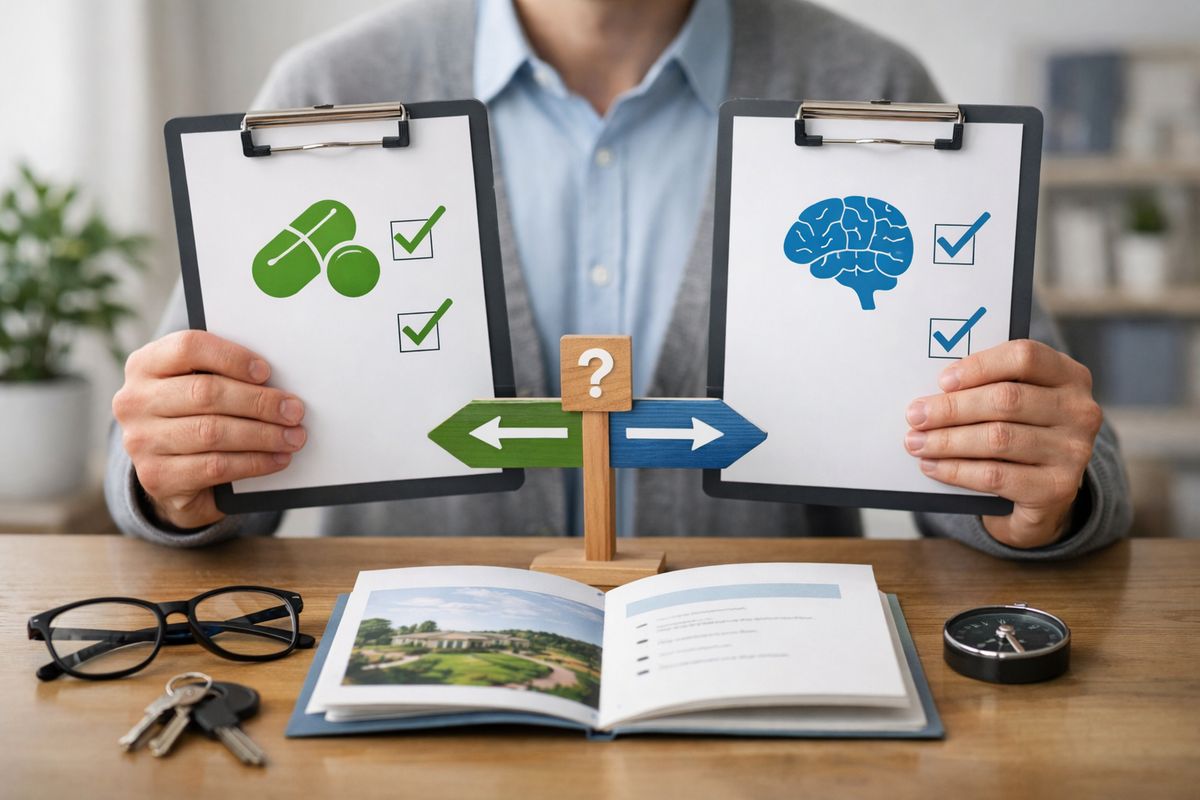

When you face addiction recovery, choosing to detox with holistic treatment options can ease your transition toward lasting sobriety. You’ll benefit not only from medical supervision but also from therapies that nurture your physical, mental, and emotional wellbeing. This guide walks you through detox fundamentals, explores a range of holistic treatment methods, shows how to combine them with medication-assisted programs, helps you compare detox program types, and outlines strategies to keep you on track after detox.
Understanding detox fundamentals
Key detox processes
During detoxification your body clears alcohol or drugs while you manage withdrawal symptoms. Common stages include
- acute withdrawal (hours to days after last use)
- stabilization (symptom monitoring and relief)
- post-acute withdrawal (lingering emotional and physical discomfort)
Medical detox essentials
Medically managed detox programs provide the foundation for safe withdrawal by
- monitoring vital signs and hydration
- administering medications to ease symptoms
- screening for co-occurring mental health issues
Staff trained in medically managed detox programs ensure complications such as seizures or severe dehydration are addressed promptly, reducing the risk of relapse.
Exploring holistic therapy options
Holistic detox for addiction differs from commercial “detox” diets marketed for weight loss, which studies have found lack compelling evidence [1]. Instead, holistic detoxification integrates evidence-based practices to support your whole-person recovery.
Nutritional and fitness therapies
- Nutritional therapy corrects deficiencies and stabilizes blood sugar
- Exercise and recreational therapy boost mood, strength, and resilience
- Hydration protocols help flush toxins and support organ function
Mindfulness and meditation practices
- Guided mindfulness meditation fosters emotional regulation
- Yoga combines breathwork with gentle movement to reduce stress
- Breath-focused exercises enhance self-awareness and calm
Creative and body-based therapies
- Massage and acupuncture relieve physical tension and pain
- Art therapy helps you process emotions through creative expression
- Nature immersion (ecotherapy) reconnects you with the healing power of the outdoors
Combining holistic and medical approaches
Medication-assisted treatment benefits
Integrating medication-assisted treatment can reduce cravings and lower the risk of relapse. You may work with medications that
- stabilize brain chemistry
- alleviate severe withdrawal
- support long-term abstinence
Many programs follow an evidence-based medication assisted treatment program model that pairs medication with counseling to address both physical and psychological aspects of addiction.
Suboxone clinics and support
If you’re recovering from opioid dependence, Suboxone therapy can be a cornerstone of care. Suboxone clinics offer
- controlled dosing to minimize withdrawal
- counseling and behavioral therapy
- long-term maintenance or tapering plans
Locating a suboxone clinic for opioid addiction ensures you receive expert oversight and integrated support for your recovery journey.
Navigating detox program types
Inpatient versus outpatient options
Different settings suit different needs. Consider this comparison:
| Program type | Description | Ideal for |
|---|---|---|
| Residential drug and alcohol detox center | 24/7 medical supervision, structured environment, integrated holistic therapies | Those with severe dependence |
| Outpatient detox and counseling program | Flexible schedule, regular check-ins, access to counseling and some holistic services | Those with mild dependence or strong support at home |
Holistic program features
When evaluating a program, look for holistic offerings such as
- individual and group counseling
- nutritional support and exercise plans
- mindfulness workshops
Many centers include detox program with counseling support so you can work through emotional triggers as you clear your system.
Transitioning to ongoing care
Aftercare and relapse prevention
A strong aftercare plan helps you stay sober by
- identifying triggers and coping strategies
- scheduling regular check-ins with therapists or sponsors
- participating in relapse-prevention workshops
Ask about programs that integrate drug detox with relapse prevention to keep you accountable.
Peer support and community integration
Connecting with peers reinforces your commitment. Options include
- 12-step groups or peer-led recovery circles
- sober living homes with structured routines
- community wellness classes (yoga, meditation, art)
Many people find that a detox program with peer support fosters lasting relationships and shared accountability.
By understanding the fundamentals of detox, exploring holistic treatment methods, integrating medication-assisted therapies, choosing the right program type, and planning for aftercare, you build a comprehensive approach to recovery. When you’re ready to take the next step, explore options at a best detox center for addiction and commit to a personalized path toward lasting wellness.
References
- (NCCIH)