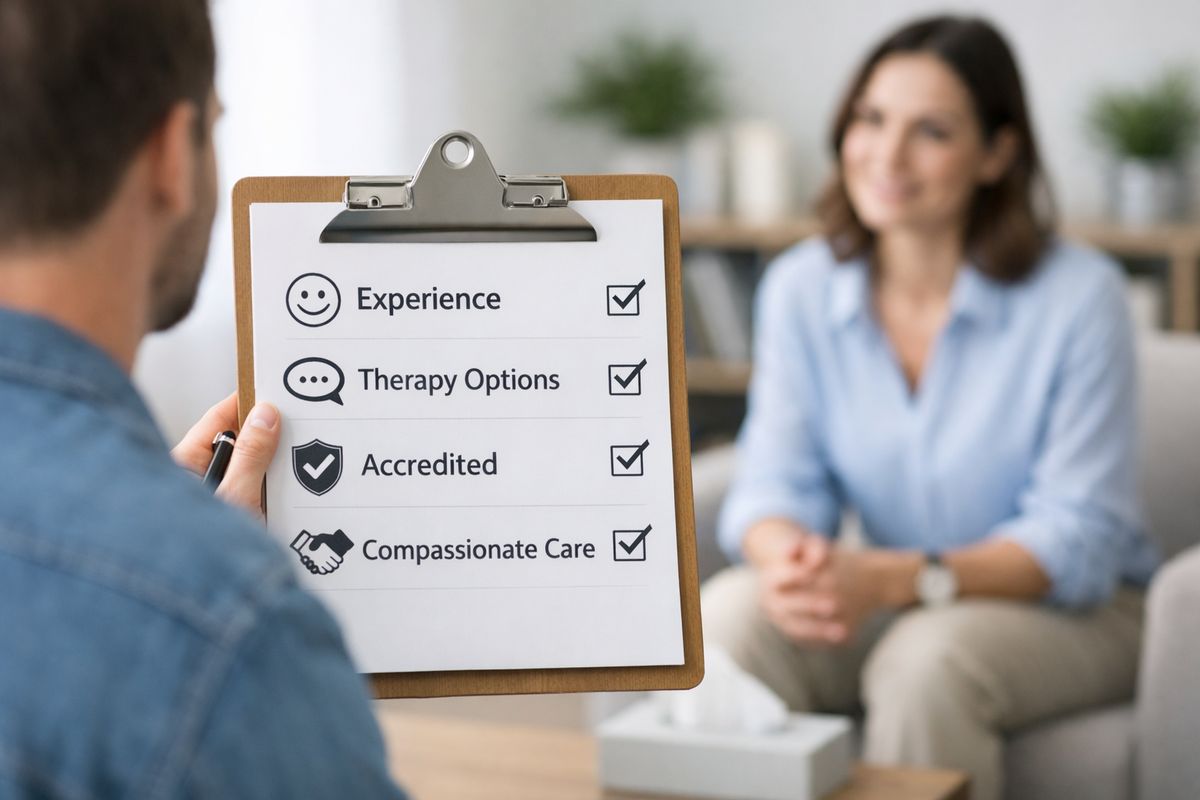

You may be standing at the threshold of your recovery journey, seeking a safe, effective way to clear toxins from your body and prepare for ongoing treatment. For many adults, young adults, and families dealing with drug or alcohol addiction, medically managed detox for substance abuse provides the professional oversight you need during acute withdrawal. Under the guidance of physicians, nurses, and clinical staff, you can stabilize medically, minimize discomfort, and set the stage for long-term healing.
Understanding medically managed detox
Medically managed detox is a structured intervention designed to guide you safely through acute withdrawal from substances such as alcohol, opioids, benzodiazepines, and stimulants. Unlike quitting “cold turkey,” a detox program with medication management support provides:
- Constant medical supervision to monitor vital signs and address complications
- Medications to ease withdrawal symptoms and reduce cravings
- Individualized treatment plans that account for your health history and substance dependence
By choosing a medically supervised setting, you lower the risk of life-threatening effects—seizures, delirium tremens, or severe dehydration—and gain access to a supportive environment that fosters your physical and emotional well-being.
Furthermore, detox is only the first stage of addiction treatment. After stabilization, you’ll be encouraged to transition into a comprehensive care program that addresses psychological, social, and vocational factors underlying substance use.
Exploring detox options
When you decide to pursue professional detox, you’ll typically encounter three main levels of care:
Inpatient detox programs
- 24/7 medical monitoring in a hospital or residential setting
- Staffed by physicians, nurses, psychiatrists, social workers, and therapists [1]
- Ideal for high-acuity clients or those at risk for severe withdrawal
Outpatient drug detox services
- Scheduled visits for medication management and therapy sessions
- Greater flexibility for work or family commitments
- May include medication-assisted treatment follow-up [2]
Home-based detox risks
- Minimal professional oversight increases danger
- Possible life-threatening complications like delirium tremens
- Generally not recommended without medical supervision
Choosing between inpatient or outpatient care depends on your substance of choice, severity of dependence, and co-occurring mental health conditions. In addition to clinical factors, insurance coverage and personal responsibilities will influence your decision.
Recognizing detox process
Detoxification typically unfolds in three essential phases, each crucial for your safety and readiness for further treatment:
Evaluation phase
In this initial stage, clinicians:
- Test substance levels in your bloodstream
- Assess medical history, mental health status, and co-occurring disorders
- Develop an individualized detox plan
Stabilization phase
Under close supervision, you will:
- Receive medications to mitigate withdrawal symptoms [3]
- Undergo regular vital-sign checks
- Benefit from holistic support—hydration, nutrition, and comfort measures
Treatment-entry readiness
As you become medically stable, staff will:
- Educate you on the next steps in recovery
- Coordinate referrals to rehabilitation or outpatient programs
- Encourage engagement in counseling and peer support
Table: Components of detoxification
| Phase | Focus | Goal |
|---|---|---|
| Evaluation | Medical and psychological assessment | Create a safe, individualized care plan |
| Stabilization | Symptom management and monitoring | Achieve a medically stable, substance-free state |
| Treatment-entry readiness | Patient education and referral | Link to long-term rehabilitation and support |
Overall, understanding these steps helps you anticipate what lies ahead and underscores why detox alone rarely suffices for lasting recovery.
Evaluating medication assisted treatment
Medication-assisted treatment (MAT) often bridges your transition from detox to comprehensive recovery. By combining FDA-approved medications with behavioral therapies, MAT addresses both the physical and psychological aspects of addiction.
Common MAT medications
- Methadone: full opioid agonist for severe dependence
- Buprenorphine (Suboxone, Sublocade): partial agonist reduces cravings and withdrawal
- Naltrexone: opioid antagonist that blocks euphoric effects
Suboxone clinics and maintenance
Visiting a suboxone clinic for opioid addiction or joining a suboxone maintenance treatment program can:
- Provide structured dosing under medical supervision
- Offer counseling and peer support alongside medication
- Lower the risk of relapse by stabilizing brain chemistry
Benefits of MAT
- Reduces withdrawal severity and drug cravings
- Improves retention in treatment programs
- Decreases risk of overdose and infectious disease transmission
In addition, MAT is recognized by medical authorities as an evidence-based practice that increases your chances of sustained recovery compared to detox alone.
Incorporating holistic therapies
While medical interventions form the backbone of detox, holistic therapies complement your physical and emotional healing. Integrating mind-body practices can ease stress, build resilience, and support overall wellness.
Physical well-being interventions
- Yoga and stretching to relieve tension and improve circulation
- Meditation and breathing exercises to calm anxiety
- Nutritional plans and supplements to restore organ function
Emotional support strategies
- Art or music therapy to process feelings nonverbally
- Massage or acupuncture to reduce pain and insomnia
- Mindfulness groups to foster self-awareness and coping skills
By embracing a well-rounded approach, you reinforce the comprehensive care necessary for lasting recovery in a [supportive environment].
Transitioning into ongoing care
Detox sets the stage, but sustainable recovery depends on seamless linkage to further treatment. A robust aftercare strategy ensures you maintain momentum once withdrawal ends.
Linking detox to rehab
Research shows that coupling detox with rehabilitation reduces the “revolving door” of repeated withdrawals, cuts long-term costs, and lowers rates of relapse and crime [4]. After medically managed withdrawal, you may enter:
- A residential detox for substance abuse facility
- An alcohol detox and outpatient rehab program
- A combined detox and mental health treatment combined setting for dual diagnosis care
Counseling and peer support
- Individual therapy to address underlying trauma
- Group sessions for shared experiences and accountability [5]
- Family counseling to rebuild trust and communication
Aftercare planning
Your team will help you:
- Create relapse prevention tools
- Connect with community resources
- Establish ongoing medication management or MAT maintenance
In addition, planning for social support—self-help groups, sober living homes, or mentorship—reinforces the skills you develop in early recovery.
Preparing for safe detox
Your safety hinges on choosing qualified professionals and understanding potential medical risks. Proper preparation can ease anxiety and improve outcomes.
Selecting qualified staff
Ensure the program includes:
- A licensed physician experienced in addiction medicine
- Registered nurses for 24-hour monitoring
- Psychiatrists, social workers, and therapists for mental health care [1]
Managing medical risks
Discuss these factors with your provider:
- History of seizures, liver disease, or heart conditions
- Co-occurring psychiatric disorders like depression or anxiety
- Current medications that may interact with detox drugs
By disclosing your full medical history and substance use pattern, you help your team tailor an [individualized plan] that minimizes complications and maximizes comfort.
Choosing a detox program
Selecting the right setting and features ensures your detox aligns with personal needs and recovery goals.
Assessing facility levels
Compare programs based on:
- Intensity of care (inpatient vs outpatient)
- Access to MAT or medication assisted treatment program
- Availability of holistic services and counseling support
Insurance and payment factors
- Verify coverage for detox, MAT, and subsequent rehab
- Explore sliding-scale fees or financing options
- Confirm whether third-party payors treat detox as part of addiction treatment or a separate service
For guidance, consider consulting a treatment specialist or your primary care physician. Researching reviews and accreditation can also point you toward a best detox center for addiction.
By taking these steps, you position yourself for a safe, comprehensive detox experience that leads seamlessly into the next stage of your recovery. Remember, you are not alone—professional teams and peer communities stand ready to support you every step of the way.