
When you choose a short term detox with outpatient transition, you tap into a tailored treatment program that balances rapid medical stabilization with ongoing support. Detoxification is the first crucial step in addressing substance use disorder, clearing substances from your system under professional supervision while reducing the risks of complications and relapse. In 2020 alone, the SAMHSA National Helpline received 833,598 calls, a 27 percent increase over 2019, reflecting growing demand for accessible detox and follow-on care [1].
A short term detox typically lasts about a week, though your stay may range from a few days to two weeks depending on your substance of choice and clinical needs. Once medically stabilized, you transition into outpatient programs that provide therapy, counseling, medication management and peer support. This approach lets you maintain daily responsibilities while building coping skills and a relapse-prevention plan in a supportive environment.
Understanding short term detox
Detoxification, or detox, is the process of safely eliminating drugs or alcohol from your body while managing withdrawal symptoms under medical supervision. Without professional care, withdrawal can trigger severe or even fatal complications. A short term program focuses on:
-
Rapid stabilization
You receive 24/7 monitoring and medical support to ease withdrawal symptoms such as nausea, insomnia and high blood pressure. -
Medication management
FDA-approved medications may be used to reduce cravings and discomfort, particularly in opioid or alcohol detox. -
Individualized care plans
Clinicians assess your medical history, substance use patterns and co-occurring conditions to tailor interventions.
By clearing toxins efficiently and safely, you set the stage for ongoing therapy, peer support groups and medication-assisted treatment.
Benefits of detox programs
Choosing a professionally managed, short term detox with outpatient transition offers several advantages:
-
Enhanced safety
Medical supervision reduces complications by up to 68 percent and increases successful completion rates by 40 percent [2]. -
Faster access to therapy
As soon as you are stable, you can step directly into counseling, group sessions and skill-building workshops. -
Lower cost
Shorter residential stays often cost less than extended inpatient programs, while outpatient care lets you avoid ongoing lodging expenses. -
Minimal disruption
You continue work, education or family responsibilities, maintaining social supports that reinforce recovery. -
Customized level of care
The ASAM Criteria provides a multidimensional assessment to place you in the right setting—whether ambulatory, intensive outpatient or medically managed inpatient [3].
Exploring outpatient transition
A seamless shift into outpatient treatment is essential to maintain momentum after detox. Outpatient services may include:
- Individual and family counseling
- Group therapy and peer support
- Medication management clinics
- Relapse-prevention workshops
- Case management and aftercare planning
This continuity of care addresses the psychological, social and behavioral aspects of addiction. You’ll learn coping strategies, identify triggers and develop contingency plans for challenging situations. Participation in self-help groups such as Narcotics Anonymous can further reinforce positive habits [4].
Comparing detox settings
Choosing the right detox setting depends on your clinical severity, co-occurring conditions and personal circumstances. The table below outlines common levels of care:
| Setting | Supervision | Typical duration | Ideal for |
|---|---|---|---|
| Ambulatory detox | Periodic monitoring | 3–7 days | Mild withdrawal, stable home life |
| Intensive outpatient program (IOP) | Several hours daily | 7–14 days | Moderate symptoms, strong supports |
| Residential detox | 24/7 supervision | 5–14 days | Severe withdrawal, comorbidities |
| Inpatient medical detox | ICU-level care | Varies by severity | High-acuity clients |
By understanding these options, you can discuss placement with your care team or an admissions coordinator at an outpatient drug detox services provider.
Considering medication-assisted treatment
Medication-assisted treatment (MAT) combines FDA-approved medications with counseling and behavioral therapies. Key benefits include:
- Reducing cravings and withdrawal intensity
- Stabilizing brain chemistry disrupted by substance use
- Increasing retention in treatment
- Lowering overdose risk
Common medications include buprenorphine, methadone and naltrexone. Your clinician will determine the right regimen based on your substance use history, medical status and treatment goals. An integrated MAT approach is available through a medication assisted treatment program or a dedicated suboxone clinic for opioid addiction.
Evaluating suboxone clinics
If you are recovering from opioid use disorder, Suboxone (buprenorphine-naloxone) can play a central role in your outpatient transition. When reviewing clinics, consider:
-
Staff credentials
Look for waivered physicians and trained nurse practitioners. -
Counseling integration
Ensure access to individual and group therapy alongside medication management. -
Flexibility
Check for telehealth options and flexible scheduling. -
Support services
Peer mentoring, vocational assistance and family education can enhance outcomes.
You may explore an outpatient suboxone program that aligns with your needs and lifestyle.
Preparing for transition
Successful movement from detox to outpatient care relies on multiple facilitators:
Patient-level facilitators
- Personal motivation and readiness to change
- Desire to break the drug-using lifestyle
- Previous positive treatment experiences [5]
Program-level facilitators
- Active discharge planning and patient education
- Warm handoffs and direct escort to outpatient services
- Transportation assistance to reduce barriers
System-level facilitators
- Communication and care integration between detox and treatment providers
- Streamlined referrals within a single continuum of care
- Collaborative coordination among clinicians, payors and community agencies
When these elements align, you benefit from a smooth transition and higher likelihood of sustained engagement.
Anticipating post-detox care
Once medical stabilization is complete, your focus shifts to comprehensive recovery:
-
Therapy and counseling
Individual, family and cognitive behavioral therapy to address root causes and coping skills. -
Peer support groups
Narcotics Anonymous, SMART Recovery and other self-help programs provide ongoing accountability. -
Relapse prevention planning
Learn to identify cues, manage cravings and create contingency strategies for high-risk situations [6]. -
Holistic therapies
Yoga, meditation and experiential activities can enhance overall wellness.
Continuing care is a lifelong journey. Almost 90 percent of individuals who remain abstinent for two years are still substance-free a decade later, underscoring the long-term benefits of sustained support [6].
Choosing a program
To select the right detox and outpatient transition pathway, ask potential providers:
- What level of medical supervision do you offer during detox?
- How quickly can I start outpatient counseling after detox?
- Do you integrate medication management and behavioral therapies?
- What peer support and aftercare planning services are available?
- How do you coordinate care between detox and outpatient teams?
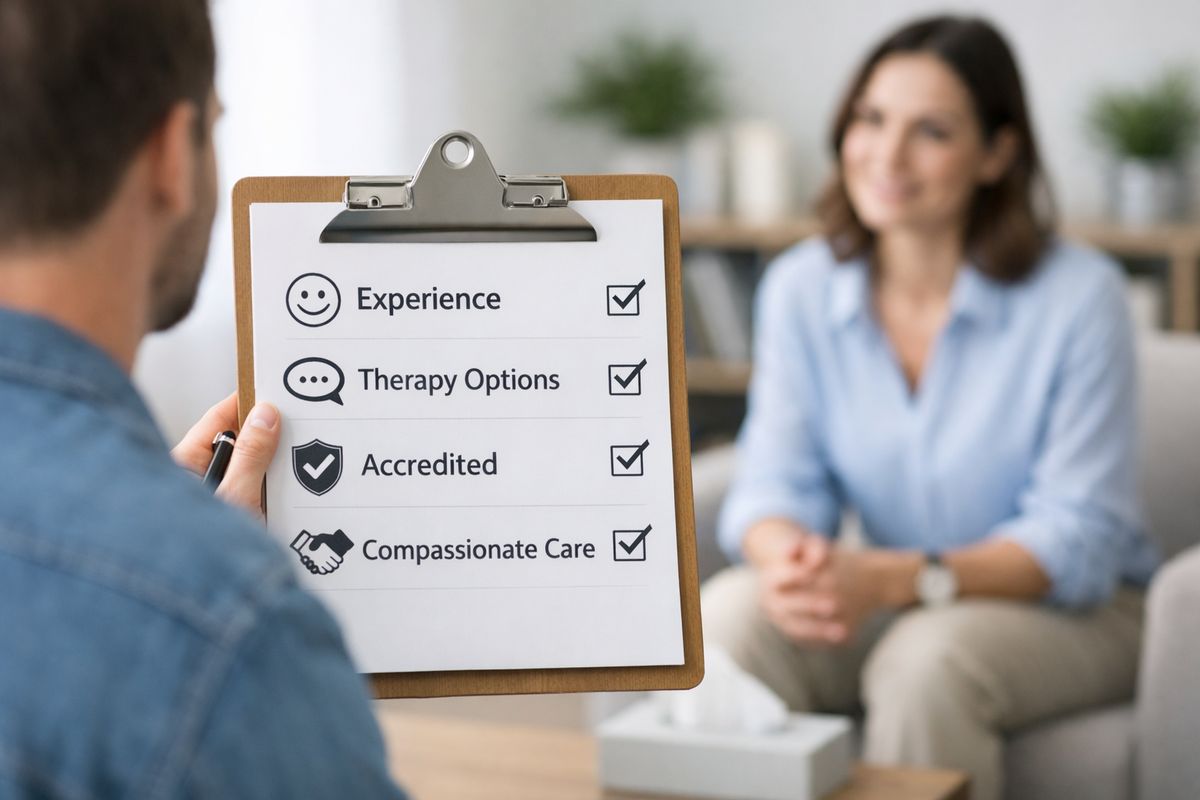
Verify accreditation, review treatment philosophies and check for individualized care plans. You can learn more about specialized options such as residential detox for substance abuse or detox and mental health treatment combined.
Taking next steps
Embarking on detox and outpatient transition can feel overwhelming, but you do not have to navigate it alone. Reach out to 24/7 helplines, consult with addiction specialists and leverage community resources. Explore best detox center for addiction and detox with medication management support to compare programs that suit your goals.
Your recovery journey begins with one decision—choosing care that respects your individual strengths and meets your unique needs. With professional supervision, evidence-based therapies and a supportive continuum of care, you can build the foundation necessary for lasting recovery.
References
- (SAMHSA)
- (Evoke Wellness Ohio)
- (ASAM)
- (Cleveland Clinic)
- (NCBI)
- (NCBI Bookshelf)