
When you pursue drug detox with relapse prevention, you commit to a process that addresses both the physical clearance of substances and the support necessary for lasting recovery. In 2020, the National Helpline fielded 833,598 calls—a 27 percent increase from the prior year—highlighting growing demand for comprehensive care in early recovery [1]. Whether you or a loved one is facing opioid or alcohol dependence, combining a medically supervised detox with evidence-based relapse prevention strategies can lay the groundwork for sustained sobriety.
Throughout this article, you’ll explore the unique challenges of detoxification, compare various program types, learn how medication-assisted treatment (MAT) enhances outcomes, and discover the relapse prevention tools that help you stay on track. By the end, you’ll have a clear picture of how to transition into ongoing care and develop a personalized recovery plan that supports your long-term goals.
Understand detox and relapse prevention
Why detox matters
Detoxification removes toxins and manages withdrawal symptoms under medical supervision. During this phase, your body adjusts to the absence of alcohol or drugs, and you’re monitored for complications such as dehydration, seizures, or severe anxiety. A medically managed approach ensures safety and comfort, setting the stage for deeper therapeutic work.
- Medical supervision reduces risks associated with rapid withdrawal
- Symptom management medications ease discomfort
- A structured environment reinforces accountability
However, detox alone is not treatment. Without follow-up care, withdrawal relief often gives way to cravings and potential relapse. As a result, detox should be viewed as the first step in a broader continuum of care.
Role of relapse prevention
Relapse prevention equips you with skills and resources to recognize and manage triggers before they lead to substance use. Relapse is a process occurring in stages—emotional, mental, and physical—each requiring timely intervention [2].
- Emotional relapse involves unaddressed feelings such as anger or depression
- Mental relapse features preoccupation with past use
- Physical relapse is resumed substance consumption
By integrating relapse prevention from the outset, you build resilience against setbacks and reinforce the commitment you made during detox.
Compare detox program types
Choosing the right setting depends on your medical needs, support network, and personal responsibilities. Below is an overview of common program types.
Medical detox options
Medical detox programs combine 24/7 care with symptom-management protocols.
Residential detox
In a residential setting, you live at a facility that provides round-the-clock nursing care, regular vital-sign checks, and immediate access to medications. You benefit from a controlled environment free from external triggers and distractions.
- Structured daily schedule
- On-site medical staff
- Peer support in a communal setting
To learn more about a supportive residential environment, explore our residential detox for substance abuse services.
Outpatient detox
Outpatient programs allow you to receive scheduled medical care while living at home. This option maintains daily routines and family connections but requires reliable transportation and strong self-discipline.
- Flexible appointment times
- Lower cost than residential care
- Ongoing access to community and family support
Discover our offerings for flexible treatment at outpatient drug detox services.
Holistic detox approaches
In addition to medical supervision, holistic options address mind-body wellness. Nutritional counseling, yoga, acupuncture, and mindfulness meditation promote overall health and stress reduction. When combined with clinical detox, these therapies support a smoother transition into recovery. Learn more about integrative methods through detox with holistic treatment options.
Leverage medication-assisted treatment
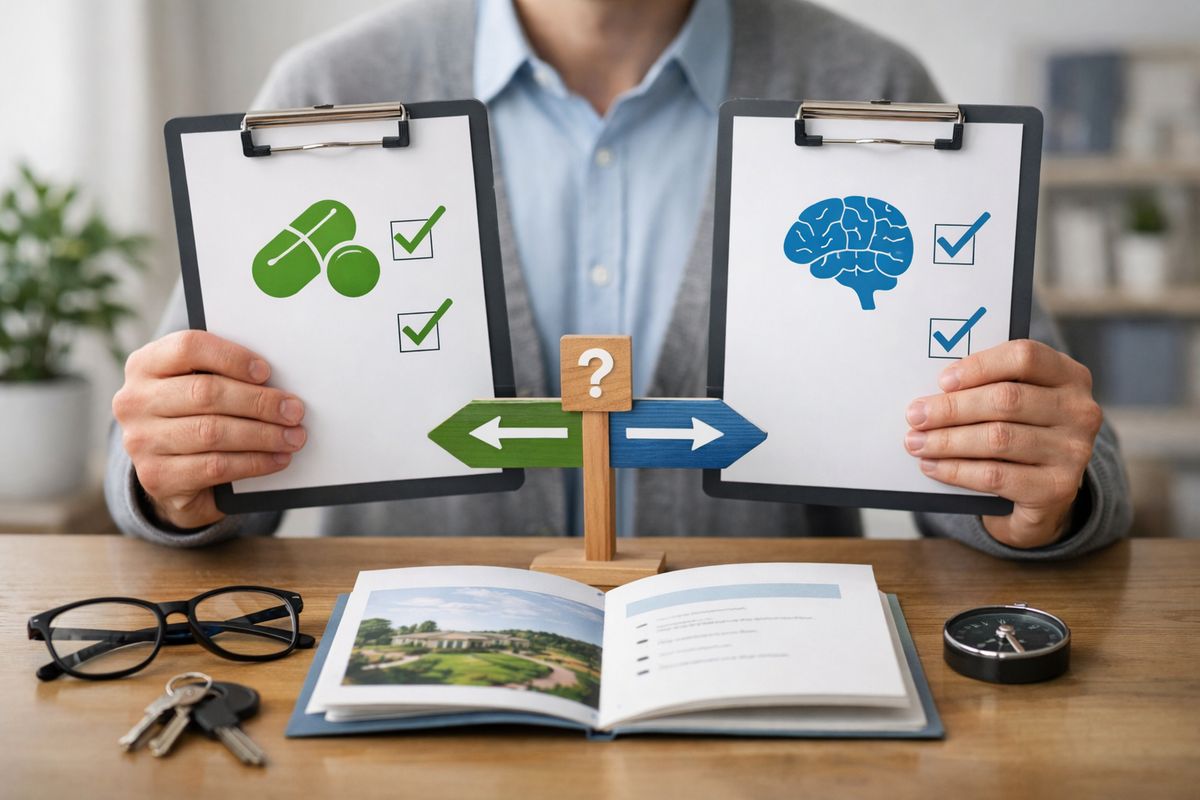
Medication-assisted treatment (MAT) combines FDA-approved drugs with counseling to reduce cravings and block euphoric effects. When matched with tailored treatment programs, MAT offers you a balanced path forward.
Approved medications
Below is a summary of common medications for alcohol use disorder (AUD) and opioid use disorder (OUD).
| Medication | Target disorder | Primary function | Route |
|---|---|---|---|
| Acamprosate | AUD | Stabilizes brain chemistry, reduces protracted withdrawal symptoms | Oral tablet |
| Disulfiram | AUD | Produces unpleasant effects when alcohol is consumed, deterring use | Oral tablet |
| Naltrexone | AUD, OUD | Blocks opioid receptors, relieves cravings | Oral tablet / injection |
| Buprenorphine | OUD | Partial opioid agonist, reduces cravings and withdrawal | Suboxone sublingual film |
| Methadone | OUD | Full opioid agonist, stabilizes brain function in long term | Liquid solution |
FDA-approved drugs, when combined with behavioral therapies, decrease relapse risk and may lower the chance of HIV or hepatitis C by reducing opioid misuse [3].
Benefits of medication-assisted programs
- Reduces cravings and withdrawal severity
- Blocks euphoric effects to deter misuse
- Increases treatment retention and engagement
- Supports long-term brain recovery
Overall, MAT provides a foundation that complements therapy and peer support, offering a comprehensive care model.
Suboxone clinic options
Suboxone (buprenorphine/naloxone) can be prescribed in physician offices and outpatient clinics, expanding access to treatment. If you’re seeking flexible care, consider our suboxone clinic for opioid addiction or explore an outpatient suboxone program that fits your schedule.
For more on combining medications with counseling, see our medication assisted treatment program.
Implement relapse prevention strategies
Building a relapse prevention plan involves combining therapeutic approaches, pharmacological supports, monitoring, and motivational incentives.
Therapy and skill development
Behavioral therapies help you modify thought patterns, cope with stress, and handle triggers effectively. Common modalities include:
- Cognitive behavioral therapy (CBT)
- Motivational interviewing
- Acceptance and commitment therapy (ACT)
- Community reinforcement approach
CBT teaches you to identify negative beliefs and replace them with healthier coping strategies, while motivational interviewing enhances commitment to change [2].
Medications for relapse prevention
Certain drugs serve dual roles in detoxification and relapse prevention:
- Disulfiram increases time to first drink under supervision
- Naltrexone has a number-needed-to-treat of 20 to prevent a return to drinking
- Methadone maintenance shows lower relapse rates compared with buprenorphine when dosing is individualized
By including these supports, you bolster your resilience against cravings and reduce the likelihood of return to use.
Monitoring methods
Objective monitoring adds accountability and early detection of slips. Common tools include:
- Urine drug screens
- Breathalyzers
- Hair follicle testing
- Saliva tests
Regular monitoring allows your care team to adjust interventions promptly and reinforce your progress.
Contingency management
Incentive-based programs reward negative drug screens with vouchers or privileges. Research shows effect sizes up to d = 0.62 for reducing substance use [2]. By pairing you with tangible rewards, contingency management elevates motivation and engagement.
For integrated support, consider a detox program with counseling support or one that offers peer support.
Transition to ongoing care
Sustaining recovery requires seamless movement from detox into aftercare and community support.
Aftercare and support networks
After detox, structured aftercare prevents isolation and reinforces new skills. Components may include:
- Outpatient therapy or day programs
- 12-step meetings or peer support groups
- Sober living residences
- Family counseling
Effective aftercare often begins in detox planning. Explore our residential detox with aftercare planning to align your next steps.
Combining detox and mental health care
Co-occurring mental health conditions such as depression or anxiety can fuel relapse. Dual-diagnosis care treats both substance use and psychiatric issues under one roof. To ensure you receive comprehensive care, see our detox and mental health treatment combined services.
Develop a long-term recovery plan
Recovery is an ongoing journey. A personalized plan helps you anticipate challenges and maintain momentum.
Identifying triggers and coping skills
Knowing your personal triggers—stress, social pressure, environmental cues—lets you plan coping responses such as:
- Mindfulness meditation
- Progressive muscle relaxation
- Exercise routines
- Healthy nutrition and sleep hygiene
Coping skills enable you to navigate high-risk situations without substance use.
Practicing self-assessment
Regular reflection helps you track progress and adjust strategies. Consider:
- Journaling your thoughts and emotions
- Rating craving intensity daily
- Reviewing which coping techniques worked
Self-assessment promotes self-awareness and guides modifications to your individualized plan.
Building a supportive environment
Your network plays a pivotal role in lasting change. Surround yourself with people who respect your goals, whether through family, friends, or recovery communities. For programs that foster connection and behavioral health support, visit our detox center with behavioral health support.
Take next steps
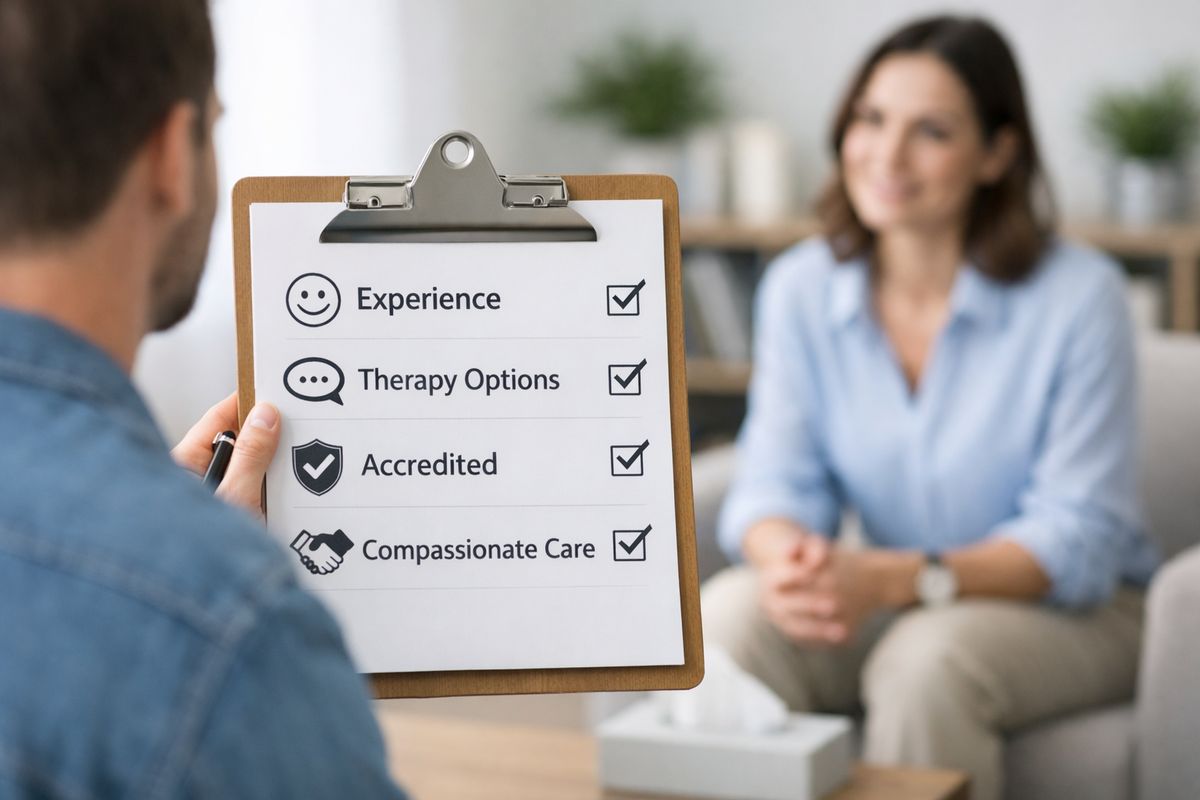
Choose the right detox center
When evaluating programs, consider:
- Level of medical supervision
- Access to MAT and therapy
- Aftercare planning and support
- Staff expertise and accreditation
To find a program tailored to your needs, explore options at best detox center for addiction.
Contact resources today
If you’re ready to start your journey, reach out to a specialized facility or helpline. Early intervention improves outcomes, and you deserve the tailored treatment programs and support necessary for lasting recovery. Taking that first step can be the most empowering decision on your path to health and resilience.
References
- (SAMHSA)
- (NCBI Bookshelf)
- (SAMHSA)