If you are considering detox with medication management support, you will benefit from understanding the various pathways that guide you through safe withdrawal and into lasting recovery. Each year, hundreds of thousands seek help—in 2020 alone the National Helpline logged 833,598 calls, a 27 percent increase from the prior year [1]. Medication supported detox can ease severe symptoms, enhance comfort, and reduce the risk of complications. You deserve a tailored plan that addresses your substance use history, medical needs, and long-term wellness goals.
From medically supervised alcohol detox to outpatient opioid tapering, you have options that combine clinical expertise with compassionate care. In the sections that follow, you will explore detox settings, learn how medication management integrates into treatment, compare key drugs used in withdrawal management, and map out your transition into ongoing therapy and support.
Explore detox options
Selecting the right detox pathway is the first critical step in your journey. Settings vary based on the substance you use, the severity of dependence, and your personal circumstances.
Medical detox overview
Medical detox focuses on safely clearing drugs and alcohol from your system under clinical supervision. A multidisciplinary team of doctors and nurses monitors vital signs, administers medications, and responds to emergencies. This approach reduces the likelihood of life-threatening complications such as seizures or delirium tremens during alcohol withdrawal.
Benefits:
- 24/7 medical observation
- Medication to control withdrawal symptoms
- Immediate response to complications
For alcohol-specific care, you might explore medical detox for alcohol withdrawal or alcohol detox with medical supervision.
Outpatient detox services
If you have a stable home environment and mild to moderate withdrawal symptoms, outpatient detox allows you to receive treatment during scheduled visits. You can continue daily activities such as work or school while attending medical appointments.
Key features:
- Regular check-ins with medical staff
- Medication dosing under supervision
- Flexibility in scheduling
Consider outpatient drug detox services or outpatient detox and counseling program for this model.
Residential detox settings
Residential facilities offer a structured, supportive environment where you stay onsite for several days to weeks. You gain round-the-clock care, peer support, and early access to therapeutic programs.
Advantages:
- Shielded environment away from triggers
- Holistic care including nutrition and exercise
- Peer support from fellow participants
Look into residential detox for substance abuse or residential drug and alcohol detox center.
Ambulatory detox models
Ambulatory detox without extended onsite monitoring is suitable for individuals with mild symptoms and strong support systems. This level corresponds to ASAM dimension 1 placement level 1A [2]. You may receive medication prescriptions while attending a clinic or physician office.
If you meet criteria—such as low risk of diversion and reliable follow-up—you could benefit from short term detox with outpatient transition.
Understand medication management support
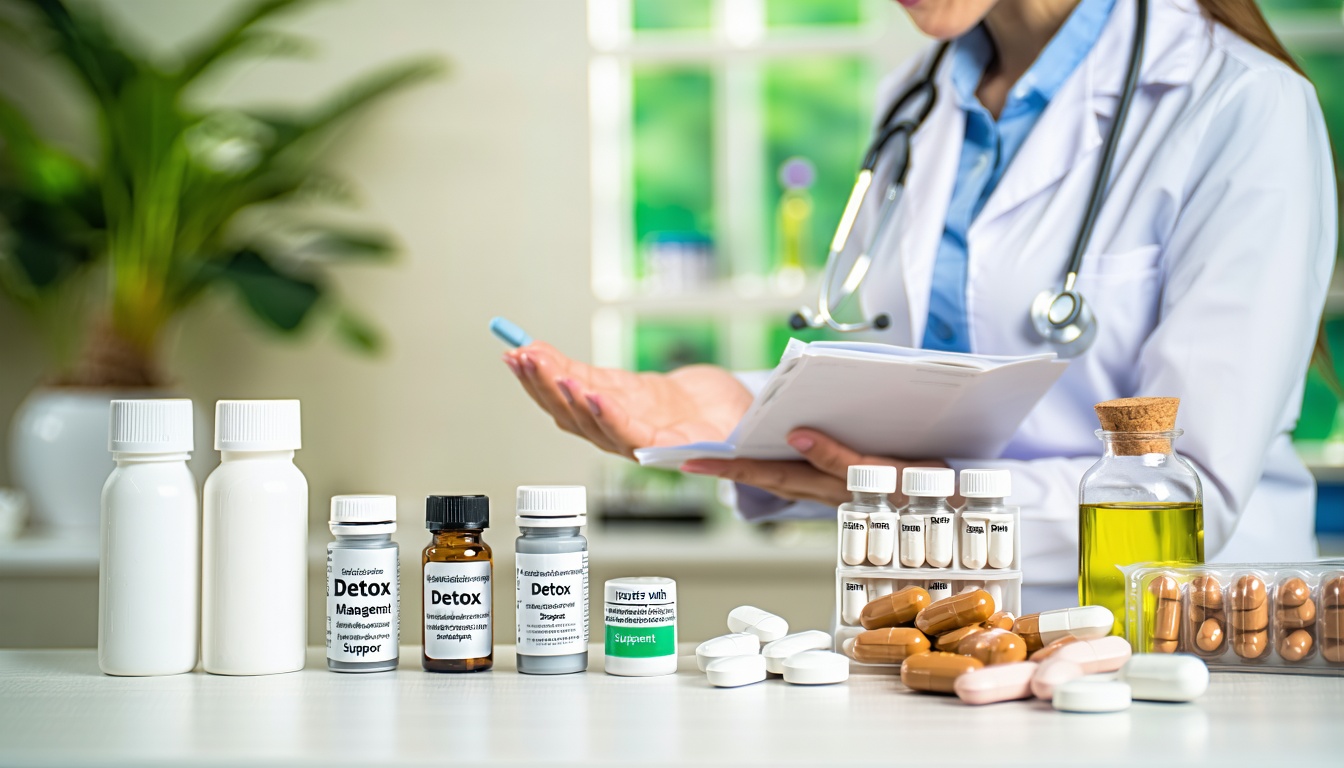
Medication management support integrates pharmacotherapy into your detox plan. It aims to reduce physical discomfort, curb cravings, and stabilize you for further treatment.
Medication assisted treatment explained
Medication assisted treatment (MAT) combines FDA-approved medications with counseling and behavioral therapies. This evidence-based approach addresses both physiological dependence and the psychological aspects of addiction.
Components of MAT:
- Approved medications such as methadone or buprenorphine
- Individual and group counseling
- Case management and peer support
MAT improves retention in treatment and reduces illicit drug use [3]. Learn more at a medication assisted treatment program.
Role of Suboxone and methadone
Suboxone, a combination of buprenorphine and naloxone, curbs opioid cravings while blocking euphoric effects. Methadone is a long-acting opioid agonist that prevents withdrawal and reduces illicit opioid use. Both medications support stabilization and prepare you for ongoing recovery work.
If you seek specialized care, consider a suboxone clinic for opioid addiction or explore medication assisted opioid treatment.
Other medications in detox
Beyond opioids and alcohol, additional drugs address withdrawal symptoms across substances:
- Clonidine and lofexidine for opioid withdrawal
- Benzodiazepines and anticonvulsants to prevent alcohol seizures [4]
- Adjunct medications for mood stabilization
Combining these with supportive care makes the process more tolerable. A guide to these options is available at drug detox with withdrawal support.
Compare medication types
Selecting the right medication depends on the substance of misuse, your health profile, and treatment setting. Below are common options.
Opioid detox medications
| Medication | Purpose | Notes |
|---|---|---|
| Methadone | Prevents withdrawal, reduces cravings | Long-acting, requires daily dosing under supervision |
| Buprenorphine | Partial agonist that alleviates withdrawal without full opioid effects | Can be tapered more quickly; lower risk of respiratory depression [3] |
| Clonidine | Alpha-2 agonist that reduces sympathetic symptoms | Off-label for opioid withdrawal; may cause low blood pressure |
| Lofexidine | Alpha-2 agonist FDA approved for opioid withdrawal | Similar to clonidine with fewer side effects |
Consider an opioid detox program or a suboxone maintenance treatment program.
Alcohol detox medications
| Medication | Purpose | Notes |
|---|---|---|
| Benzodiazepines | Reduce withdrawal severity, prevent seizures | Standard of care for alcohol detox; dosing taper over days |
| Anticonvulsants | Prevent withdrawal seizures, reduce glutamate activity | Includes valproate and carbamazepine [4] |
| Adjunct therapies | Support neurotransmitter balance | Options like gabapentin or acamprosate |
For alcohol-specific programs, see alcohol detox and outpatient rehab.
Account for personalized care planning
Your detox journey is not one size fits all. A thorough assessment guides the level of care, medications, and support needed.
Assessing your needs
Medical evaluation includes:
- Substance use history and pattern
- Physical exam and laboratory tests
- Assessment of withdrawal severity and comorbidities
The National Institute on Drug Abuse defines detoxification as the first step in a treatment program to safely manage withdrawal [5].
Co-occurring mental health conditions
Detox can trigger anxiety, depression, or suicidal thoughts as the brain chemistry rebalances. You need integrated mental health care to address these risks [6].
If you have dual diagnosis, look into detox and mental health treatment combined or a detox program with dual diagnosis care.
Dual diagnosis care
Simultaneously treating substance use and mental health disorders improves outcomes. Your team may include psychiatrists, therapists, and case managers working in tandem to stabilize you across all dimensions.
Transition to ongoing treatment
Clearing substances is the first milestone. Lasting recovery requires a clear path forward into rehab, counseling, and maintenance care.
From detox to rehab
Once withdrawal subsides, transition into a structured recovery program. Options include:
- Partial hospitalization and intensive outpatient programs
- Residential inpatient rehab
- Outpatient counseling and support groups
Review residential detox with aftercare planning or alcohol detox and outpatient rehab.
Suboxone maintenance and counseling
After stabilization, buprenorphine or methadone maintenance prevents relapse. Pairing medication with therapy enhances coping skills and supports long-term recovery.
Your care plan may involve a best suboxone treatment program or an outpatient suboxone program.
Outpatient aftercare programs
Structured follow-up is critical. Look for programs offering:
- Individual and group therapy
- Case management
- Relapse prevention planning
Consider a medication assisted recovery program or outpatient detox and counseling program.
Seek supportive environment
Recovery happens in community. Surround yourself with care that addresses mind, body, and spirit.
Peer support and counseling
Connecting with peers who share your experiences fosters accountability and empathy. Many programs include group therapy and peer-led meetings.
Find a detox program with peer support or detox program with counseling support.
Holistic and complementary therapies
Holistic options such as yoga, meditation, and nutritional counseling bolster overall wellness. These practices complement medical detox by reducing stress and improving mood.
Learn about detox with holistic treatment options.
Family involvement
Including family in education and therapy sessions strengthens your support network. Family members can learn communication skills and strategies to encourage your recovery.
Choose your program
With so many options you deserve clarity on what matters most in a detox center.
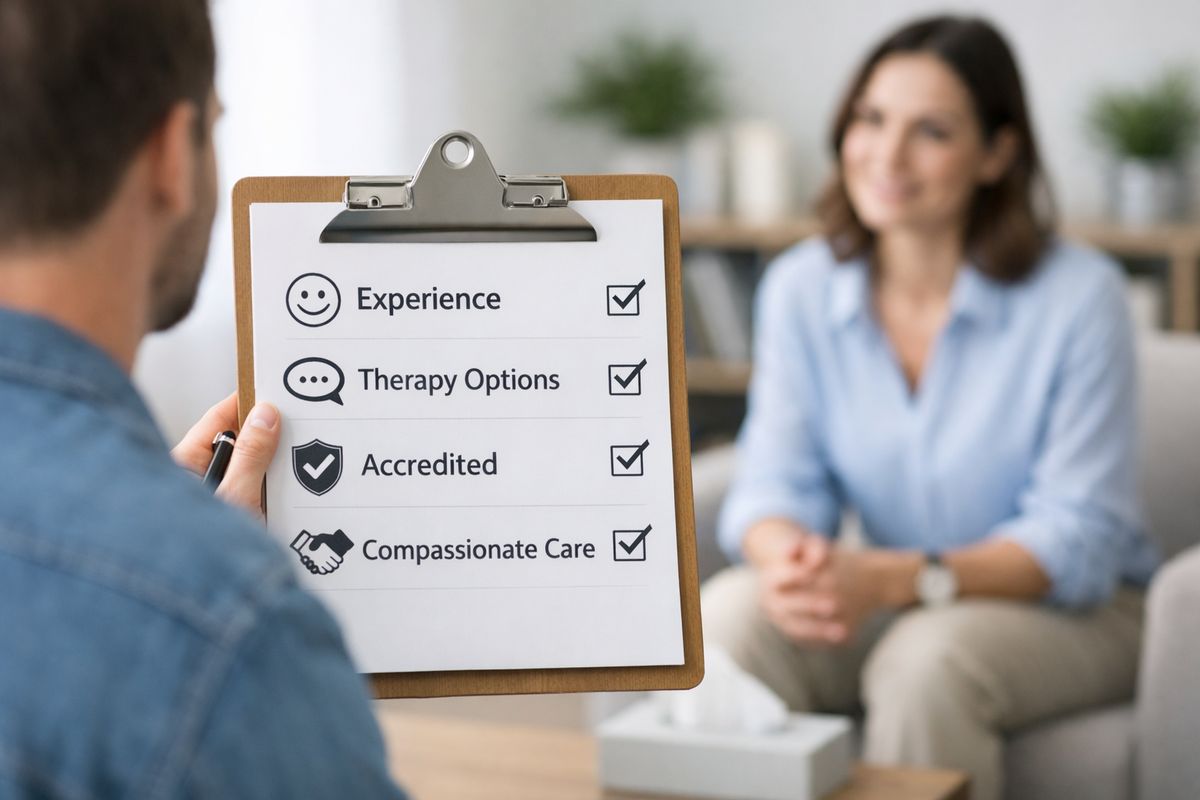
Criteria for program selection
Key factors to evaluate:
- Accreditation and licensing
- Staff credentials and experience
- Medication protocols and supervision
- Aftercare planning and referrals
- Cost and insurance coverage
Visiting detox centers
A tour helps you assess the environment, meet staff, and get a feel for daily routines. Ask about medication availability, privacy measures, and emergency protocols.
Questions to ask providers
Prioritize these inquiries:
- Which medications do you offer and how are they managed
- How do you address mental health and dual diagnosis
- What is the staff to client ratio
- How is aftercare arranged
- Can family members participate in sessions
Choosing the right center sets the foundation for sustained recovery.
Recovery from substance use starts with a safe, controlled detox. Medication supported detox can reduce suffering, stabilize you medically, and lay the groundwork for comprehensive treatment. Use this guide to explore programs, compare medications, plan your aftercare, and select a center that feels like the right fit. When you are ready to take the next step, reach out for individualized support—you deserve the best addiction recovery detox services and a pathway to lasting wellness.