
An outpatient detox and counseling program offers you a structured, supportive path to begin recovery from substance use without the need for round-the-clock supervision. By combining medical oversight during withdrawal with evidence-based counseling, you can address the physical and psychological aspects of addiction in a setting that lets you maintain work, family, and community ties. Whether you’re managing alcohol withdrawal or seeking opioid detox, this approach provides the flexibility and comprehensive care necessary for lasting recovery.
Understanding outpatient detox
Program overview
Outpatient detox refers to medically supervised withdrawal that takes place during scheduled visits rather than in a residential facility. You’ll attend a clinic or treatment center for check-ups, medication management, and counseling sessions, then return home or to a sober living environment each day. Compared to inpatient care, this model emphasizes autonomy and routine, empowering you to integrate recovery into your daily life.
Who it’s for
- Individuals with mild to moderate withdrawal symptoms
- Those with stable living situations and support networks
- Clients who require flexibility to maintain work, school, or family responsibilities
- People transitioning from inpatient programs to less intensive care
How detox works
- Initial assessment: A clinician evaluates your medical history, substance use, and co-occurring conditions
- Withdrawal management: You receive medications—such as buprenorphine or clonidine—to ease physical symptoms [1]
- Vital monitoring: Regular check-ups ensure safety and allow dose adjustments
- Counseling referral: You’re connected to individual or group therapy to address psychological triggers
Exploring counseling support
Individual counseling
One-on-one sessions with a licensed therapist help you explore underlying issues, develop coping skills, and set personalized goals. Cognitive behavioral therapy (CBT), a common modality, teaches you to identify negative thought patterns and replace them with healthier behaviors. By fostering self-reflection and insight, individual counseling forms a cornerstone of tailored treatment programs.
Group counseling
Participating in group therapy offers peer support and accountability. Sharing experiences with others facing similar challenges builds camaraderie and reduces feelings of isolation. Many outpatient programs conduct sessions in the early morning or evening—known as Intensive Outpatient Programming (IOP)—to fit your schedule [1].
Peer support and 12-step groups
Integration with community resources such as Alcoholics Anonymous or Narcotics Anonymous enhances recovery efforts. Studies show that involvement in 12-step groups as part of outpatient treatment improves sobriety rates and fosters long-term commitment [1].
Incorporating medication options
Medication-assisted treatment
Medication-assisted treatment (MAT) combines FDA-approved medications with counseling to treat opioid or alcohol use disorders. By reducing cravings and stabilizing brain chemistry, MAT helps you focus on therapeutic work rather than acute withdrawal. Available options include buprenorphine, methadone, and naltrexone. Explore our medication assisted treatment program to learn more.
Suboxone programs
Buprenorphine-based outpatient suboxone programs allow you to taper safely from opioids or maintain stability long term. In these clinics, licensed providers monitor your dose and provide counseling support [2]. Suboxone reduces the risk of overdose and eases the transition into ongoing care.
Medication management support
In a detox with medication management support service, clinicians administer medications on-site to relieve anxiety, nausea, and other withdrawal symptoms. This ensures a safer, more comfortable detox and lowers the likelihood of premature program exit.
Comparing treatment settings
Inpatient vs outpatient
| Feature | Inpatient detox | Outpatient detox |
|---|---|---|
| Supervision level | 24-hour medical and nursing care | Scheduled clinical visits |
| Living arrangement | On-site housing | Home or sober living environment |
| Daily routine | Structured, all-hours care | Flexibility to work or study |
| Cost | Typically higher | Often more affordable |
| Suitability | Severe withdrawal, high medical risk | Mild to moderate symptoms |
Research indicates no clear outcome difference between Intensive Outpatient Programs and inpatient care for many patients, although specific subgroups may benefit more from one setting over another [3].
Continuum of care
The American Society of Addiction Medicine classifies care levels from inpatient hospitalization (Level 4) down to outpatient services (Level 1). Intensive Outpatient Programs (Level 2) bridge the gap, offering nearly identical therapeutic services to residential programs but allowing you to return home each day [4].
Planning ongoing care
Transition strategies
To sustain progress, you’ll need a clear roadmap after detox. A typical transition plan may include:
- Step-down to intensive outpatient or partial hospitalization
- Enrollment in outpatient counseling or IOP
- Connection with peer support groups
- Regular medical check-ins for MAT
Aftercare planning
A robust aftercare plan addresses relapse prevention and mental health:
- Continued therapy—individual, group, or family
- Life skills workshops—stress management, healthy relationships
- Vocational support—job training or educational placement
- Sober living referrals—for those needing structure
Selecting your program
Key considerations
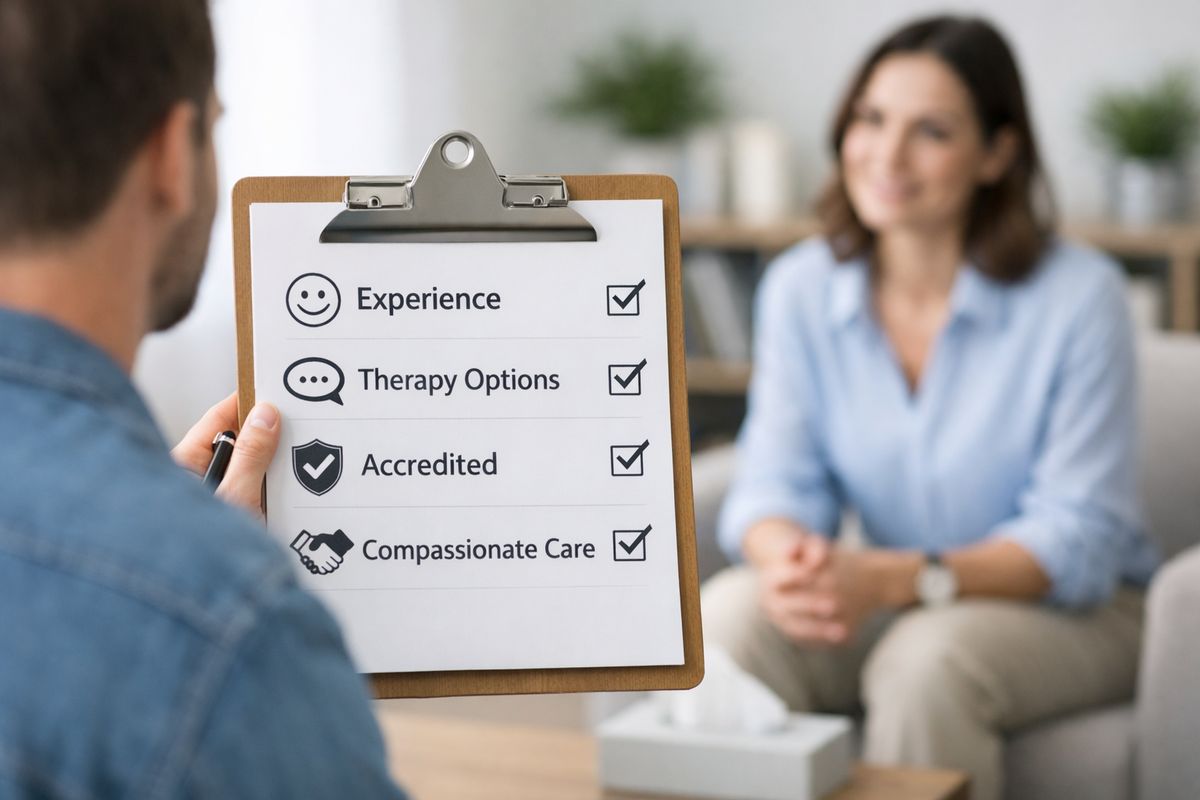
When evaluating outpatient detox and counseling services, look for:
- Licensed medical professionals and accreditation
- Evidence-based therapies (CBT, motivational interviewing)
- On-site medical detox options for alcohol or opioids [5]
- Integration with opioid detox program if opioid use is present
- Clear aftercare and relapse prevention plans [6]
Evaluating services
Questions to ask providers:
- What is your staff-to-client ratio?
- How do you coordinate MAT and counseling?
- Do you offer dual diagnosis care for co-occurring mental health conditions [7]?
- What peer support or alumni networks are available?
Insurance and cost
Verify coverage for outpatient detox, MAT, and counseling under your plan. Many programs accept private insurance, Medicaid, or sliding-scale fees. Understanding your financial responsibility upfront prevents surprises and lets you focus on recovery.
Maximizing recovery outcomes
Tips for success
- Commit to scheduled appointments and therapy sessions
- Build a strong support network of family, friends, and peers
- Practice healthy daily routines—sleep hygiene, balanced diet, exercise
- Use coping strategies from counseling to manage triggers
- Stay engaged with community resources between visits
Measuring progress
Track milestones to maintain motivation:
- Completion of detox phase without complications
- Achievement of weekly therapy goals
- Consistent attendance in peer support groups
- Successful tapering of MAT under medical supervision
- Long-term sobriety benchmarks—30 days, 90 days, one year
Conclusion
An outpatient detox and counseling program can offer the structure, medical supervision, and emotional support you need to start recovery without leaving your daily life behind. By combining medication-assisted treatment, individualized therapy, and peer support, you gain a comprehensive care plan tailored to your unique challenges. As you move through detox into ongoing treatment, a clear aftercare strategy ensures you have the tools and community necessary for lasting change. To explore options, consider outpatient drug detox services or reach out to a provider today—your journey to recovery begins now.