
When you face addiction, detox and mental health treatment combined can lay the groundwork for lasting change. By addressing physical dependence and underlying psychiatric concerns at the same time, you enhance your chance for sustainable recovery. In this article, you will learn why an integrated approach matters, explore detox options, understand how medication assisted treatment fits in, and discover strategies for transitioning into long-term care. Throughout, you will find clear guidance, evidence-based insights, and resources to help you take the next step on your recovery journey.
Understanding dual diagnosis
Dual diagnosis refers to the coexistence of a substance use disorder and one or more mental health conditions. Treating these issues separately may leave critical needs unaddressed, increasing the risk of relapse and complicating long-term recovery.
What is dual diagnosis?
• Substance use disorder (SUD) – dependency on drugs or alcohol
• Mental health disorder – conditions such as depression, anxiety, bipolar disorder, or PTSD
When these disorders occur together, symptoms can intensify one another. For example, untreated depression may drive self-medication with alcohol, while ongoing substance use can worsen anxiety or mood swings.
Prevalence and impact
According to SAMHSA’s 2022 National Survey on Drug Use and Health, roughly 21.5 million adults in the United States live with a co-occurring disorder, making integrated care essential [1]. Without a comprehensive plan, you risk cycling between detox programs and psychiatric care without meaningful progress.
Why combined treatment matters
- Reduces the likelihood of untreated psychiatric symptoms emerging during detox
- Improves engagement in therapy by stabilizing mood and cravings
- Fosters a holistic view of your recovery, linking mind and body care
By choosing a program that offers both detox and mental health services, you set the stage for a coordinated recovery pathway.
Exploring detox options
Detoxification is the process of clearing substances from your body and managing withdrawal symptoms safely. The setting and pace of detox can vary based on your needs.
Medical detox programs
Medical detox centers focus on stabilizing you during withdrawal, using medications and supportive care to ease discomfort. Key features include:
- 24/7 supervision by healthcare professionals
- Medication to reduce craving and withdrawal severity
- Monitoring of vital signs and co-occurring medical issues
For more on supervised withdrawal, see medical detox for alcohol withdrawal or explore opioid detox program.
Rapid versus gradual detox
| Detox type | Pace | Pros | Cons |
|---|---|---|---|
| Rapid detox | 24–72 hours | Short timeframe | Higher risk of complications and relapse [2] |
| Gradual detox | Several days | Gentler withdrawal, safer for high-risk clients | Longer stay required, more resource intensive |
Rapid detox has been linked to a 6.4% mortality rate among high-risk patients and up to 65% relapse within six months, compared to 35% in comprehensive inpatient programs [2]. For a safer evidence-based approach, consider residential detox for substance abuse or outpatient drug detox services.
Specialized detox pathways
- Detox for polysubstance addiction: addresses multiple dependencies in one plan [3]
- Detox with medication management support: combines detox with ongoing pharmacotherapy [4]
- Medical detox for high acuity clients: tailored for individuals with severe co-occurring illnesses [5]
Choosing the right detox option means balancing safety, comfort, and your unique medical and psychiatric profile.
Using medication assisted treatment
Medication assisted treatment (MAT) pairs FDA-approved medications with counseling and behavioral therapies. This approach can stabilize brain chemistry, reduce cravings, and allow you to focus on recovery work.
Benefits of MAT
- Lowers risk of overdose and relapse
- Supports long-term sobriety by normalizing brain function
- Integrates psychosocial support for holistic healing
Combined therapies have shown significantly better short- and medium-term outcomes in conditions like depression and bipolar disorder, reinforcing the value of adding medication to psychotherapy [6].
Suboxone and other medications
- Buprenorphine (Suboxone) and naloxone combinations reduce opioid cravings without full intoxication
- Methadone maintenance offers consistent opioid receptor activation under supervision
- Naltrexone blocks opioid effects and curbs alcohol dependence
If you are considering opioid recovery, a suboxone clinic for opioid addiction or an outpatient suboxone program may be appropriate. For a broad overview, explore our medication assisted treatment program.
Coordinating care
Effective MAT requires ongoing monitoring of:
- Medication dosage and adherence
- Potential interactions (for example, benzodiazepines can pose risks when combined with SUD medications)
- Co-occurring mental health symptoms
Look for programs that offer detox program with dual diagnosis care and detox program with counseling support to ensure comprehensive oversight.
Integrating mental health care
Addressing psychiatric conditions alongside detox creates a stable foundation for recovery. Integrated care pairs medical and psychosocial interventions for maximum impact.
Therapy approaches
- Cognitive behavioral therapy (CBT): identifies and restructures negative thought patterns
- Dialectical behavior therapy (DBT): builds emotion regulation and distress tolerance skills
- Trauma-informed care: recognizes and responds to past abuse or adverse childhood experiences
Psychosocial interventions during detox improve the likelihood of safe withdrawal and engagement in ongoing treatment [7].
Addressing co-occurring disorders
Common co-occurring conditions include:
- Depression and anxiety (linked to 25% of adolescents showing severe depressive symptoms during COVID-19)
- Bipolar disorder and obsessive-compulsive disorder (improved by combined pharmacotherapy and CBT)
- PTSD and substance use (requires tailored trauma-informed strategies)
Testing for genetic variants and biomarkers may help optimize antidepressant selection, enhancing outcomes for patients with SUDs and depression [6].
Building a therapeutic alliance
A strong patient-provider relationship boosts retention in detox and post-detox treatment. Key elements include:
- Clear education on withdrawal and treatment goals
- Motivational interviewing to foster engagement
- Support systems, including peer groups and family involvement
Programs offering detox program with peer support or outpatient detox and counseling program often excel at creating a supportive environment.
Planning after detox
Successful detox is only the first step. A clear transition plan helps you move into ongoing care and reduces relapse risk.
Transition to rehab
Consider whether you need:
- Short-term detox with outpatient transition followed by day treatment [8]
- Residential detox with aftercare planning and longer stays [9]
- Alcohol detox and outpatient rehab for a stepped-down approach [10]
Aftercare and relapse prevention
Effective aftercare components:
- Continued MAT or counseling
- Relapse prevention planning, including trigger identification [11]
- Engagement in support groups and community resources
Building a structured schedule and regular check-ins with your care team sustain momentum after detox.
Building support networks
- Peer support groups (12-step, SMART Recovery)
- Family therapy to repair relationships
- Vocational and social reintegration services
A comprehensive aftercare strategy keeps you connected and accountable as you rebuild your life.
Choosing the right program
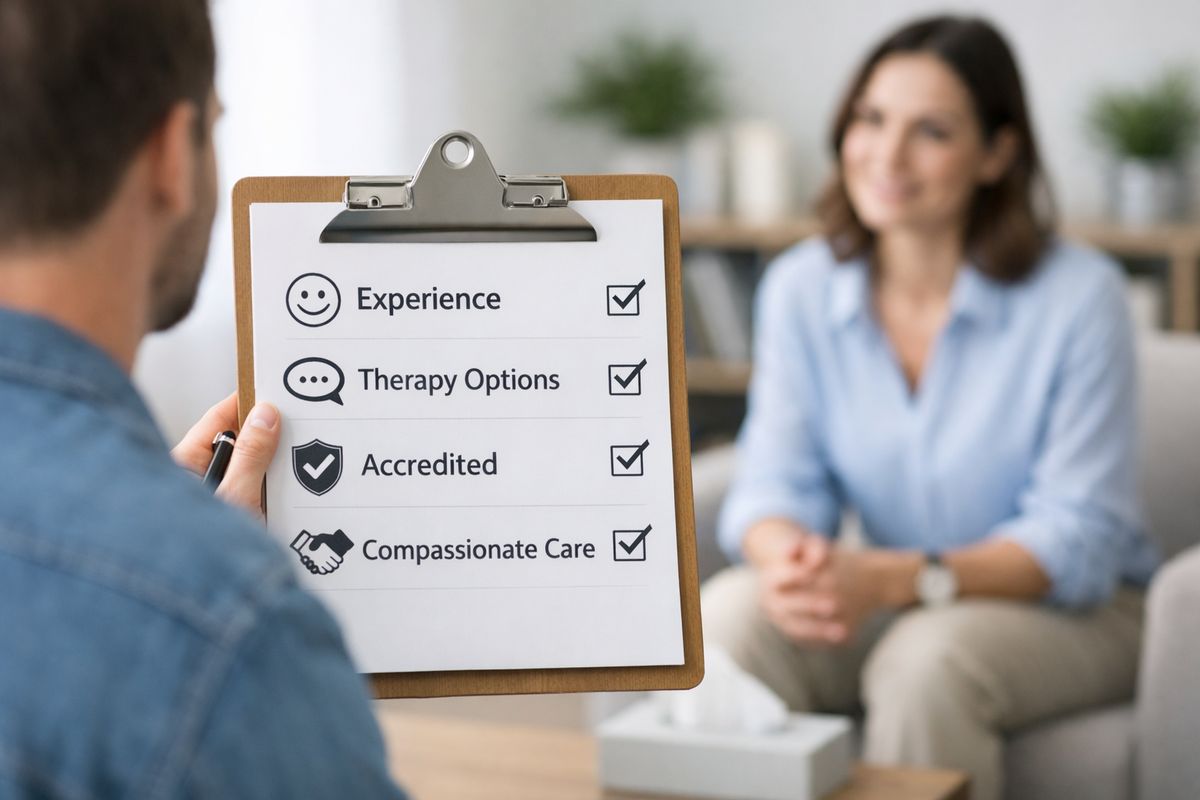
Selecting a facility that aligns with your goals, budget, and clinical needs is crucial for lasting recovery.
Key factors to consider
- Accreditation and licensing
- Availability of dual diagnosis and trauma-informed care
- Staff credentials in SUD and mental health treatment
- Ratio of clinicians to patients
- Family involvement and visitation policies
Questions to ask providers
- What detox and psychiatric services do you offer on-site?
- How do you manage medication interactions and co-occurring disorders?
- What is your average length of stay and transition rate to ongoing care?
- Which peer support and aftercare options are available?
Finding specialized programs
- Detox center with behavioral health support [12]
- Residential drug and alcohol detox center for immersive care [13]
- Detox program for young adults tailored to developmental needs [14]
- Detox program for veterans in recovery with military-informed approaches [15]
By evaluating programs against your personal and clinical priorities, you can choose a path that supports both your physical detoxification and mental health needs.
Integrating detox with mental health treatment offers a powerful foundation for long-term recovery. When you address withdrawal, cravings, and psychiatric symptoms in one coordinated plan, you reduce the risk of relapse and build the skills needed for lasting change. Use the insights and resources in this guide to find a program that fits your needs and take confident steps toward a healthier, more balanced life.
References
- (SAMHSA)
- (EvokeWellnessTX)
- (detox for polysubstance addiction)
- (detox with medication management support)
- (medical detox for high acuity clients)
- (NCBI)
- (NCBI Bookshelf)
- (short term detox with outpatient transition)
- (residential detox with aftercare planning)
- (alcohol detox and outpatient rehab)
- (drug detox with relapse prevention)
- (detox center with behavioral health support)
- (residential drug and alcohol detox center)
- (detox program for young adults)
- (detox program for veterans in recovery)