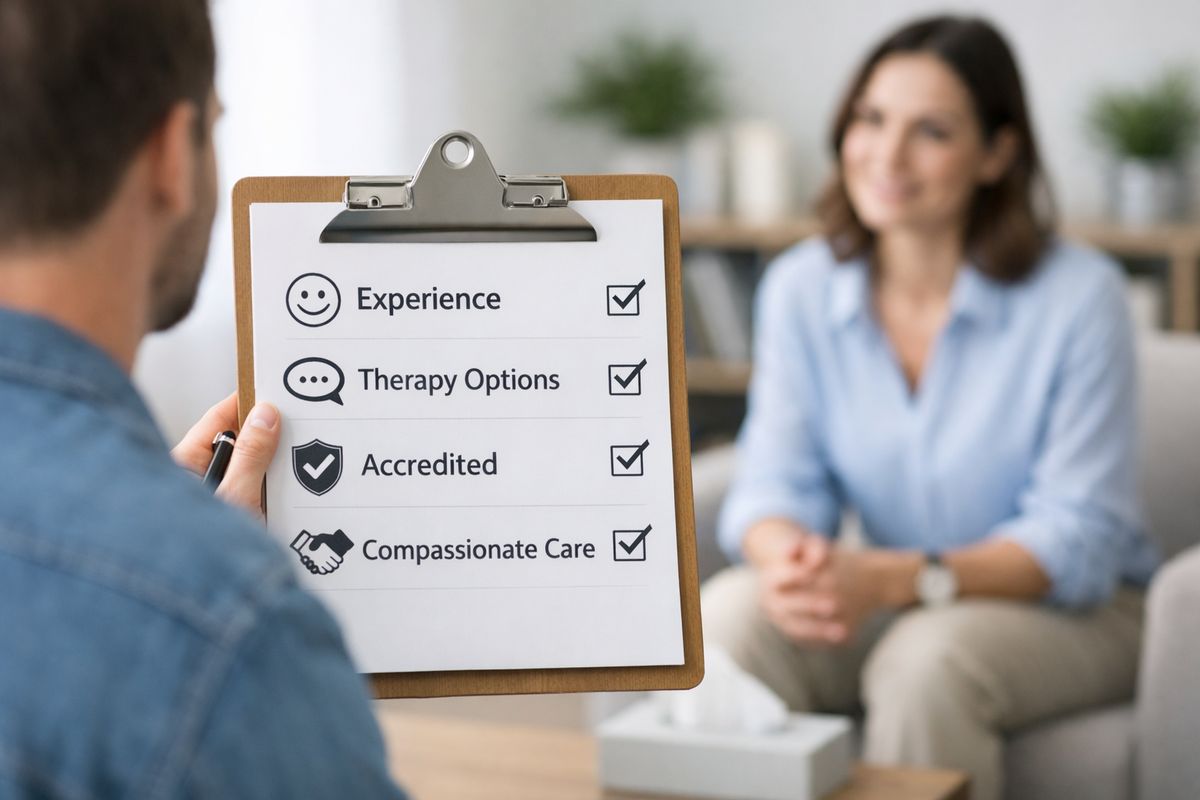

Choosing the right detox program with dual diagnosis care can make all the difference in your recovery journey. When you’re coping with both a substance use disorder and a mental health condition, an integrated approach ensures you address each issue simultaneously. In this guide, you’ll learn how dual diagnosis detox works, compare program options, explore medication-assisted treatments, plan your aftercare and transition, and select a facility that meets your needs. Whether you’re seeking a medically supervised alcohol detox, an opioid detox program, or residential care with mental health support, this resource will help you make informed decisions and take the first step toward lasting wellness.
Understanding dual diagnosis detox
Before you choose a detox program, it’s important to understand what dual diagnosis care entails and why it’s essential for lasting recovery.
What is dual diagnosis?
Dual diagnosis refers to the presence of both a mental health disorder and a substance use disorder in the same person. According to the National Institute on Drug Abuse, 7.7 million adults in the United States have both a mental health condition and a substance use disorder, and nearly 38 percent of those with a substance use disorder also contend with mental health challenges [1]. When you seek dual diagnosis detox, you’re opting for a program designed to identify and treat both conditions at once, rather than addressing them separately.
Why integrated care matters
Integrated treatment models combine interventions for substance use and mental health into a single, comprehensive plan. Research shows that integrated care is more effective than treating each condition in isolation, leading to better engagement and outcomes [1]. By coordinating medication management, psychotherapy, and peer support, you’ll benefit from:
- A unified treatment team familiar with your complete clinical picture
- Medication regimens that consider interactions and side effects
- Therapies tailored to address emotional triggers and thought patterns
Who needs dual diagnosis detox
Dual diagnosis care is ideal if you’ve experienced any of the following:
- Chronic mood swings, anxiety, or depression alongside substance use [2]
- Trauma or post-traumatic stress symptoms that fuel your addiction
- A history of attempted treatments that focused only on substance use
If left untreated, co-occurring disorders can perpetuate relapse cycles. A detox program with mental health treatment combined offers the comprehensive care you need to break that cycle.
Compare detox program options
Detox can be delivered in various settings. Weighing the pros and cons of each approach will help you select the environment that aligns with your needs and lifestyle.
Inpatient medical detox
In an inpatient setting, you reside at a licensed facility where medical professionals monitor your withdrawal. This option often includes:
- 24/7 nursing and psychiatric support
- Medication-assisted detox protocols for alcohol or opioids
- Structured daily schedules with therapy sessions and group activities
Benefits of inpatient detox:
- Intensive monitoring for severe withdrawal symptoms
- Immediate access to dual diagnosis specialists
- Fewer distractions, promoting focus on recovery
For more on residential care, explore our page on residential detox for substance abuse.
Outpatient detox services
Outpatient programs allow you to live at home while attending scheduled appointments. Typical features include:
- Daily or weekly medical check-ins
- Counseling and group therapy sessions
- Flexible scheduling for work or family obligations
Advantages of outpatient detox:
- You maintain home and work routines
- Lower cost compared to residential programs
- Easier transition to ongoing outpatient treatment
Learn more about community-based options at outpatient drug detox services.
Medication-assisted detox
Medication-assisted detox combines pharmacotherapy with clinical monitoring. It often involves:
- Buprenorphine or methadone for opioid withdrawal
- Naltrexone for alcohol dependence
- Adjunctive medications to ease anxiety, insomnia, or nausea
Key benefits:
- Reduced intensity of withdrawal symptoms
- Lower risk of medical complications
- A smoother transition into long-term recovery
For specialized pharmacological support, see our section on medically managed detox for substance abuse.
Comparing detox settings
| Feature | Inpatient detox | Outpatient detox | Medication-assisted detox |
|---|---|---|---|
| Level of medical supervision | 24/7 on-site | Scheduled visits | Flexible dosing and monitoring |
| Ideal for | Severe addiction, high-risk clients | Mild to moderate withdrawal | Opioid or alcohol dependence |
| Cost | Higher, but comprehensive care | Lower, insurance often covers | Moderate, depends on medications |
| Dual diagnosis expertise | High | Variable | Requires integrated provider team |
Explore medication-assisted treatments
Medication-assisted treatments (MAT) are an evidence-based component of dual diagnosis care, especially for opioid and alcohol dependencies.
Suboxone clinic options
Buprenorphine combined with naloxone (Suboxone) reduces cravings and withdrawal discomfort. Clinics offering Suboxone programs typically provide:
- One-on-one assessments and induction
- Ongoing medication management
- Counseling integrated with medication services
If you’re seeking a specialized program, consider our guide to the suboxone clinic for opioid addiction or the best suboxone treatment program.
Other MAT programs
Beyond Suboxone, MAT may include:
- Methadone maintenance for chronic opioid use
- Extended-release naltrexone injections for alcohol or opioid relapse prevention
- Acamprosate and disulfiram for alcohol dependence
Each medication has unique dosing schedules, side effects, and monitoring requirements. When you work with a medication assisted treatment program, you benefit from an individualized plan designed around your medical history and mental health status.
Benefits and considerations
MAT offers several advantages:
- Evidence-based support for reducing relapse rates
- Stabilization of brain chemistry during early recovery
- Opportunity to address mental health symptoms more effectively
Keep in mind:
- You’ll need regular follow-up visits and lab tests
- Insurance coverage can vary by medication
- Coordination with mental health professionals ensures safe prescribing
Plan your aftercare and transition
Completing detox is crucial, but transitioning into long-term recovery requires a robust aftercare plan.
Counseling and therapy support
Ongoing therapy helps you process underlying issues that contribute to addiction. Look for programs that offer:
- Individual and group cognitive behavioral therapy (CBT)
- Trauma-informed approaches for PTSD and anxiety
- Family counseling to rebuild relationships
Many detox centers include counseling, or you can continue care through outpatient services like our detox program with counseling support and alcohol detox with therapy support.
Peer and community support
Peer groups reduce isolation and foster accountability. Options include:
- 12-step meetings
- Dual diagnosis support groups
- Online recovery communities
If you prefer a structured peer environment, explore programs listed under detox program with peer support.
Long-term relapse prevention
Relapse rates for substance use hover between 40 and 60 percent, similar to other chronic diseases [3]. Aftercare strategies to lower your risk include:
- Regular check-ins with a counselor or psychiatrist
- Developing healthy routines around sleep, nutrition, and exercise
- Learning coping skills to manage stress and triggers
Graduated aftercare, such as outpatient rehab or sober living, builds a safety net to support your commitment to sobriety.
Choose the right detox center
Selecting a facility that aligns with your clinical and personal needs ensures a strong foundation for recovery.
Evaluate program credentials
Look for centers that offer:
- Accreditation by recognized bodies such as The Joint Commission
- Licensed addiction and mental health professionals
- Specialized dual diagnosis tracks
| Accreditation | Staff qualifications | dual diagnosis expertise |
|---|---|---|
| Joint Commission | MDs, RNs, LCSWs, LPCs | Dedicated co-occurring disorder groups |
| CARF | Psychiatrists, therapists | Integrated treatment teams |
Assess cost and insurance coverage
Treatment expenses can vary widely. To manage costs:
- Verify your insurance benefits and pre-authorization requirements
- Explore sliding-scale payment options
- Ask about financing or scholarships for high-acuity clients
Our resource on medical detox for high acuity clients can help you navigate financial questions.
Take next steps
Once you’ve narrowed your choices:
- Schedule a consultation or tour
- Prepare your medical and insurance information
- Arrange transport and support for admission day
For a comprehensive directory, see best detox center for addiction or programs that offer detox and mental health treatment combined.
Conclusion
A detox program with dual diagnosis care provides you with the integrated support necessary to address both addiction and mental health conditions. By understanding your treatment options, exploring medication-assisted therapies, planning a solid aftercare strategy, and choosing a qualified facility, you’ll set the stage for sustainable recovery. Take the first step today—reach out to a trusted center and begin your journey toward healing and hope.