Suboxone program overview
If you’re exploring an outpatient suboxone program, you’re likely seeking a flexible, evidence-based approach to managing opioid dependence while maintaining your daily routine. This outpatient Suboxone treatment combines medication-assisted therapy with counseling and peer support, allowing you to manage cravings, reduce withdrawal symptoms, and access care without overnight stays. By treating addiction in an environment that fits your life, you can focus on recovery milestones such as stability at work, reconnecting with loved ones, and rebuilding your health.
In 2020, SAMHSA’s National Helpline received 833,598 calls, a 27 percent increase over the previous year, underscoring the growing need for accessible recovery options [1]. As you consider this pathway, it helps to view it as part of a broader medication assisted treatment program that blends pharmacology with psychosocial care. Understanding each component will prepare you to make informed decisions about your journey toward lasting recovery.
Assessing eligibility criteria
Before beginning treatment, you’ll go through a comprehensive screening process to confirm that Suboxone is a safe and suitable option for you. This assessment ensures your treatment plan addresses both your medical needs and personal circumstances.
Initial evaluation and intake
- A certified provider conducts a medical history review, focusing on your opioid use pattern, previous treatments, and overall health.
- Vital signs, liver function, and any co-occurring medical conditions are evaluated to rule out contraindications.
- You’ll discuss your treatment goals, such as reducing cravings, preventing relapse, and improving quality of life.
Medical and psychosocial screening
- Providers evaluate mental health factors like depression, anxiety or past trauma, recognizing that co-occurring disorders must be treated simultaneously for better outcomes [2].
- A psychosocial assessment explores your support network, living environment, and potential stressors.
- Based on findings, your care team tailors a plan that may include referrals for counseling, peer support, or specialty services.
Treatment phases explained
Outpatient Suboxone therapy typically follows three phases—induction, stabilization, and maintenance. Each stage has clear milestones to track progress and adjust care as needed.
Induction phase
During induction, you begin Suboxone (buprenorphine/naloxone) under close supervision. Buprenorphine reduces withdrawal symptoms and cravings, while naloxone deters misuse.
- Sessions often occur daily or several times a week until you reach a comfortable dose.
- The goal is to find the lowest effective dose that keeps you symptom-free.
- Rapid response can be observed in the first week, with withdrawal severity dropping substantially.
Stabilization phase
Once you’re on a steady dose, the focus shifts to maintaining stability:
- You may have weekly or biweekly clinic visits for dose adjustments.
- Routine drug screening and medical check-ins ensure safety and adherence.
- Behavioral therapies and counseling are introduced fully to address underlying triggers.
Maintenance phase
In the maintenance phase, Suboxone becomes part of your long-term strategy for recovery:
- Visits may reduce to monthly or as clinically indicated.
- You’re encouraged to engage in support groups and community resources.
- The multidisciplinary team guides gradual tapering only when you’re ready, minimizing relapse risk.
For details on ongoing phases of care, see our guide on suboxone maintenance treatment program.
Combining therapeutic approaches
Medication alone often isn’t enough. Integrating evidence-based therapies and support systems creates a supportive environment for lasting change.
Behavioral interventions
Cognitive behavioral therapy (CBT) and motivational interviewing help you:
- Identify negative thought patterns and replace them with healthier coping strategies.
- Strengthen problem-solving skills to manage triggers.
- Build confidence in your ability to stay sober.
Peer support groups
Participation in groups such as SMART Recovery or Narcotics Anonymous reinforces:
- Accountability through regular check-ins.
- Shared experiences that reduce isolation.
- Skills learned in therapy to withstand cravings and stress [2].
Addressing co-occurring disorders
Treating depression, anxiety or PTSD alongside opioid use disorder leads to:
- Improved retention in treatment.
- Reduced relapse rates.
- A holistic path to wellness that addresses your mental and physical health together.
Learn how to blend medication with counseling in our article on suboxone treatment with counseling.
Comparing treatment settings
Selecting the right setting matters. Below, you can compare outpatient Suboxone therapy with inpatient programs to see which fits your needs.
Outpatient vs inpatient
| Aspect | Outpatient program | Inpatient program |
|---|---|---|
| Typical duration | Months to years, based on progress | 28–90 days intensive stay [3] |
| Living arrangement | You remain at home | You stay in a residential facility |
| Level of supervision | Regular clinic visits, self-administered doses | 24/7 medical and peer support |
| Focus | Balancing daily responsibilities with treatment | Rapid withdrawal management and immersive therapy |
| Relapse risk | Lower when combined with long-term MAT | Higher if not followed by outpatient care [3] |
| Cost considerations | Often covered by insurance, fewer facility fees | Higher costs for room, board, and staffing |
Inpatient vs office-based Suboxone
Studies show that methadone offers higher short-term retention—43 percent at two weeks versus 37 percent for buprenorphine—but Suboxone carries a lower risk of diversion and overdose over time [4]. Office-based models reduce stigma and allow for personalized care that adapts as you progress.
Monitoring and support
Consistent oversight ensures your safety and confidence in the treatment process.
Medication management
- Pharmacists and clinicians verify your dosage and overall health at each visit.
- Dose adjustments account for life changes such as stress, travel, or evolving medical needs.
- Any side effects are addressed promptly to keep your treatment on track.
Regular follow-up visits
- Scheduled check-ins, often weekly or monthly, reinforce accountability.
- Drug screenings confirm adherence and help detect polysubstance use early.
- Your care team reviews progress, setbacks, and next steps together.
Counseling and therapy
- Individual therapy continues to unpack underlying causes of addiction.
- Group sessions foster camaraderie and shared learning.
- You may be referred to family therapy or specialty mental health services as needed.
For a broader look at medication-based outpatient care, explore medication assisted opioid treatment.
Preparing for next steps
As you complete detox or initial treatment, planning the transition to long-term recovery is vital.
Transitioning from detox
If you recently finished a residential detox for substance abuse or an opioid detox program, moving into a Suboxone program can prevent relapse:
- You’ll have immediate access to maintenance dosing.
- Continued counseling bridges the gap between detox and therapy.
- A detailed aftercare plan outlines appointments, support groups, and check-ins.
Long-term recovery planning
- Identify personal triggers and coping strategies.
- Establish a consistent routine that balances work, family, and recovery activities.
- Build a support network of peers, sponsors, and professionals to stay motivated.
Discover more about outpatient services in our overview of outpatient drug detox services.
Choosing a provider
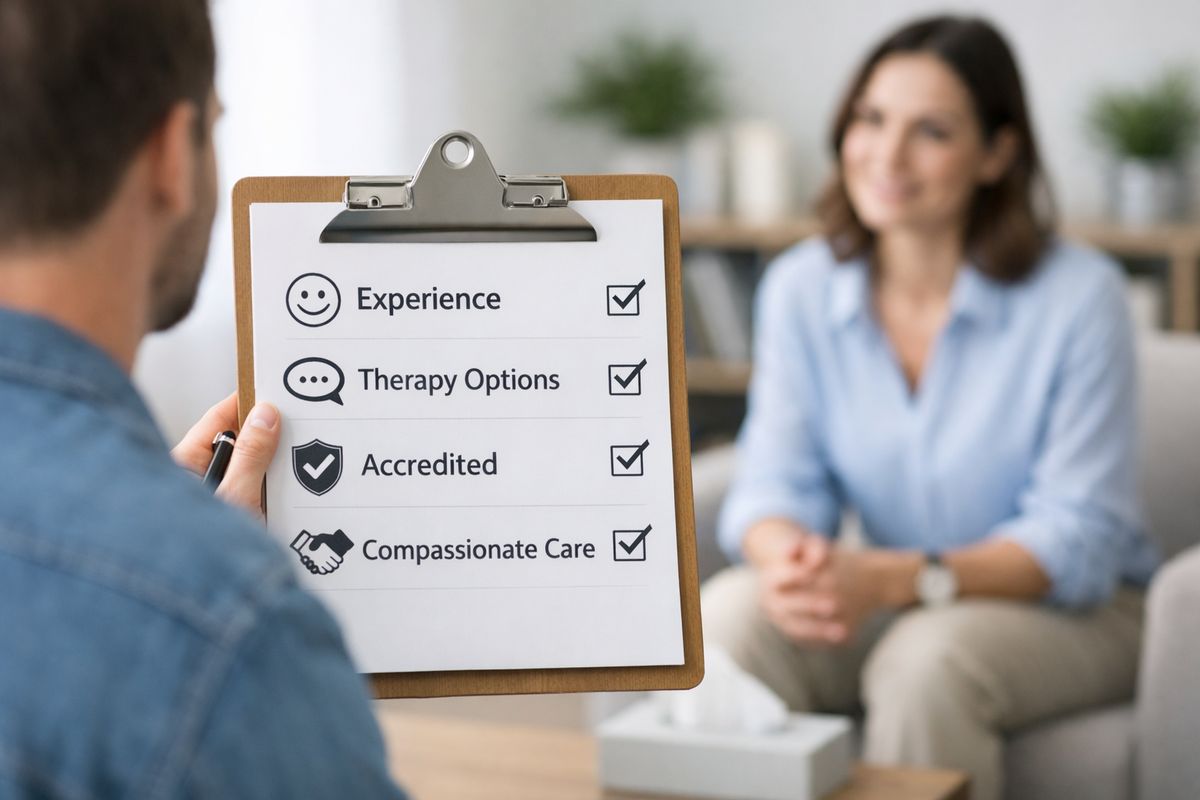
Your treatment partner should offer expertise, accreditation, and a supportive culture.
Accreditation and certification
- Verify that clinics follow SAMHSA’s Federal Guidelines for Opioid Treatment Programs [5].
- Look for certification under 42 CFR 8, which ensures compliance with federal standards.
- Accredited programs often undergo peer reviews to maintain quality of care.
Center features to consider
- Availability of individual and group counseling.
- On-site or referral-based mental health services for co-occurring disorders.
- Flexible scheduling and telehealth options.
- Staff credentials, including waivered prescribers for Suboxone.
For a curated list of trusted facilities, see our guide to the best suboxone treatment program.
Taking the step toward recovery can feel daunting, but an outpatient Suboxone program offers a path that balances structure with flexibility. By combining proven medication protocols, behavioral therapies, and peer support, you build a comprehensive foundation for lasting change. To explore your options or schedule an evaluation, reach out to a qualified clinic today—you deserve the support necessary for lasting recovery.
References
- (SAMHSA)
- (American Addiction Centers)
- (Workit Health)
- (PMC)
- (SAMHSA)