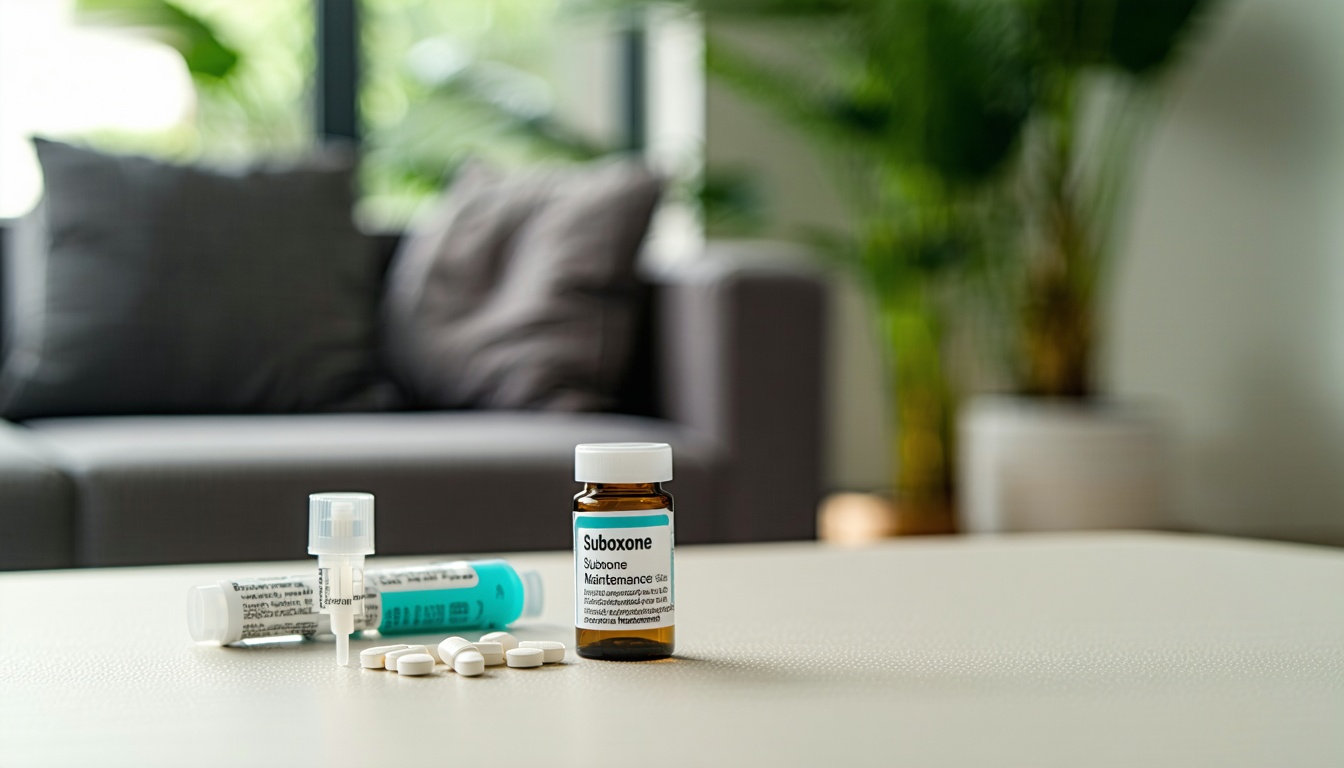
In your journey toward recovery from opioid use disorder, a suboxone maintenance treatment program can offer the structure and support you need to manage cravings, reduce withdrawal symptoms, and rebuild your life. Suboxone combines buprenorphine, a partial opioid agonist, with naloxone, an antagonist that discourages misuse. By binding to opioid receptors without producing the full “high,” it stabilizes your brain chemistry and helps you focus on therapy, work, and relationships.
With 833,598 calls to the SAMHSA National Helpline in 2020—a 27 percent increase from 2019—more people are reaching out for effective, evidence-based care ([SAMHSA]). Integrating a suboxone maintenance approach into your recovery plan can improve retention in treatment, reduce overdose risk by up to 50 percent ([Spokane Spine Team]), and set you on a sustainable path forward.
What is suboxone maintenance?
Suboxone maintenance refers to ongoing, medically supervised treatment in which you take a prescribed dose of Suboxone—usually daily or every other day—to keep opioid withdrawal and cravings at bay. Unlike short-term detox alone, maintenance programs combine medication with counseling, peer support, and other therapies to address both physical dependence and underlying factors driving substance use.
How suboxone works
- Buprenorphine component: As a partial agonist, it attaches firmly to opioid receptors, blocking full agonists and reducing cravings without significant euphoria.
- Naloxone component: An opioid antagonist added to deter injection or snorting; when taken as directed under the tongue, it has minimal effect but precipitates withdrawal if misused.
- Long half-life: Buprenorphine stays active for 24–48 hours, providing stable relief and enabling flexible dosing schedules ([American Addiction Centers]).
Phases of maintenance
- Induction: You abstain from opioids for 12–24 hours so early withdrawal appears, then receive an initial Suboxone dose under medical supervision.
- Stabilization: Your provider adjusts the dose based on withdrawal relief and side effects, aiming for a level where cravings and withdrawal are minimal.
- Maintenance: You remain on a consistent dose while engaging in therapy and support services, with periodic reviews to consider tapering when you’re ready.
Evaluate detox options
Before beginning Suboxone, you may need a period of opioid abstinence or medical detox. Detox options vary in intensity, setting, and support level. Choosing the right path helps you enter the induction phase safely.
Medical detox
A medically managed detox provides 24/7 supervision, vital signs monitoring, and medication management. This setting is ideal if you have high-acuity needs or co-occurring conditions. For more information, see our guide on medically managed detox for substance abuse.
Outpatient detox
If you have a stable home environment and mild to moderate withdrawal risk, outpatient drug detox services let you attend regular clinic visits while living at home. You receive medication support and counseling without interrupting work or family obligations.
Residential detox
A residential setting removes you from triggers and provides intensive support, therapy, and a structured routine. Consider a residential detox for substance abuse if you’ve experienced repeated relapses or need a distraction-free environment.
Table 1. Comparison of detox settings
| Feature | Medical detox | Outpatient detox | Residential detox |
|---|---|---|---|
| Level of supervision | 24/7 monitoring | Scheduled clinic visits | Continuous staff presence |
| Medication management | In-house prescribing | Take-home or onsite dosing | Onsite dosing |
| Disruption to daily life | High | Low | High |
| Access to therapy | Individual, group | Group or individual | Extensive |
| Ideal for | High-risk, co-occurring | Mild/moderate withdrawal | Repeated relapse |
Integrate suboxone into MAT
Medication-assisted treatment (MAT) combines Suboxone with counseling, behavioral therapies, and peer support to address addiction holistically. Integrating Suboxone into your MAT plan enhances retention, reduces illicit opioid use, and supports long-term recovery.
Induction phase
- Timing: Start 12–24 hours after last opioid use, when mild withdrawal is evident.
- First dose: A small buprenorphine dose to relieve symptoms; monitor for precipitated withdrawal.
- Assessment: Your clinician checks vitals, withdrawal scales, and adjusts as needed.
Stabilization phase
- Dose titration: Gradually increase until you’re comfortable, typically 8–16 mg of buprenorphine per day.
- Side-effect management: Monitor for headache, nausea, insomnia; adjust schedule or split doses to minimize discomfort.
- Counseling introduction: Begin individual or group therapy, such as cognitive behavioral therapy, to explore triggers and coping strategies.
Maintenance phase
- Consistent dosing: You remain on a stable dose while deepening work in therapy and support groups.
- Coordination of care: Your team—including a psychiatrist, therapist, and primary care provider—meets regularly to review progress.
- Consider tapering: When you and your provider agree, you may slowly reduce Suboxone under supervision.
For a deeper look at structured programs, explore our medication assisted treatment program overview.
Transition into ongoing care
Moving from detox and induction into long-term recovery requires coordinated therapies and peer support. A smooth transition helps you apply new skills, prevent relapse, and build a fulfilling life.
Counseling and therapy
Evidence-based therapies such as cognitive behavioral therapy (CBT) address patterns that contributed to opioid use. Regular sessions help you:
- Identify and challenge negative thought patterns
- Develop healthy coping strategies for stress and triggers
- Work through trauma, mental health concerns, and relationship issues
Pair Suboxone with counseling to cover both the physical and psychological dimensions of addiction.
Peer support groups
Connecting with others who understand your experience fosters accountability and belonging. Consider:
- SMART Recovery: A science-based mutual support group focused on self-empowerment
- Narcotics Anonymous: A fellowship offering a 12-step framework and sponsor relationships
- Peer recovery coaching: One-on-one guidance from someone with lived experience
Many outpatient and residential programs incorporate group meetings—look for options like detox program with peer support or outpatient detox and counseling program.
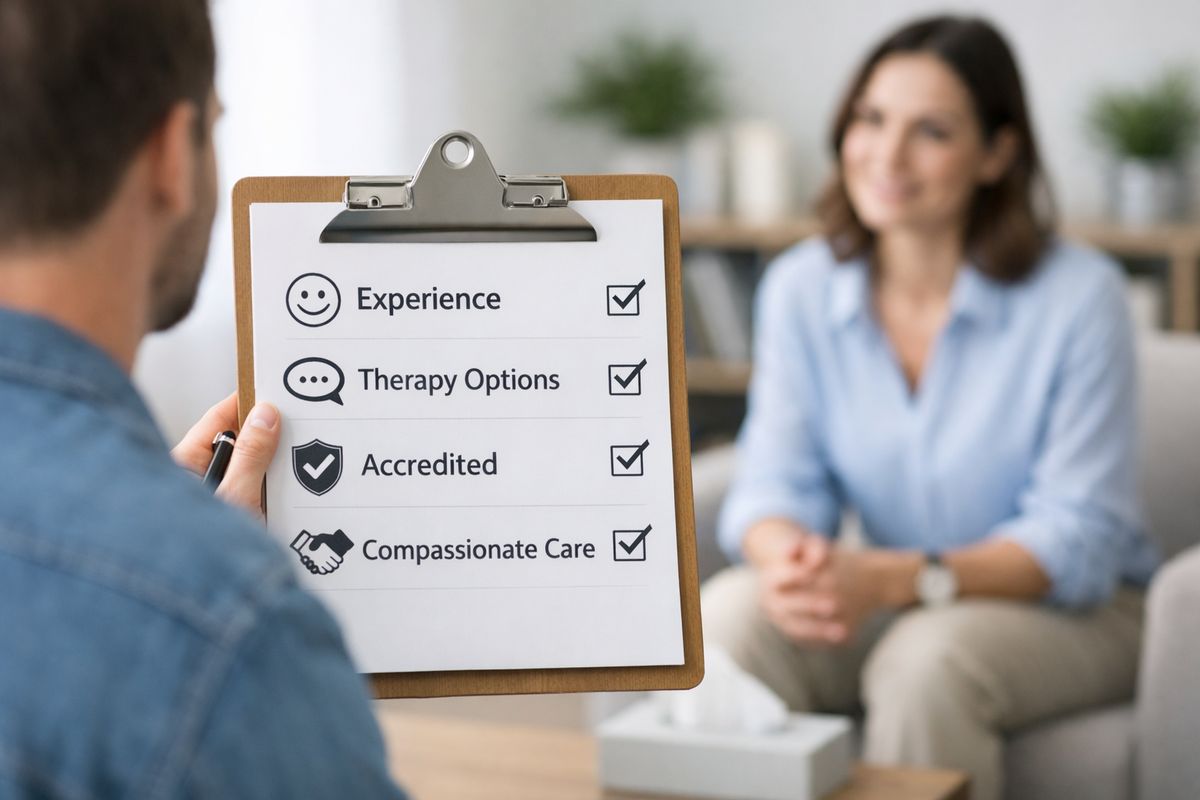
Choose a suboxone clinic
Selecting the right clinic ensures you get comprehensive care tailored to your needs. Key factors include accessibility, multidisciplinary support, and affordability.
Location and access
- Proximity: A clinic near home or work improves attendance and minimizes barriers.
- Telemedicine: Many programs offer virtual visits for follow-ups or counseling, easing travel burdens.
Coordination of care
- Integrated teams: Look for clinics that coordinate Suboxone prescribing with therapy, psychiatry, and case management.
- Aftercare planning: Facilities with residential detox with aftercare planning or referral networks help you maintain momentum after stabilization.
Cost and insurance
- Coverage: Most health plans include Suboxone under MAT benefits, but confirm copays, prior authorization, and lifetime limits.
- Sliding-scale fees: Some clinics adjust rates based on income if you’re uninsured.
- Assistance programs: Manufacturer or nonprofit grants may offset medication costs.
For specialized options, you can compare details in our best suboxone treatment program directory or find a local suboxone clinic for opioid addiction.
Monitor treatment progress
Ongoing assessment and flexibility help you stay on track and address challenges as they arise.
Regular assessments
- Urine drug screens: Ensure compliance and detect other substance use
- Clinical reviews: Track withdrawal symptoms, cravings, mental health, and daily functioning
- Outcome measures: Use standardized tools to gauge quality of life and treatment satisfaction
Managing side effects
Common Suboxone side effects include constipation, headache, sweating, and insomnia ([Medical News Today]). If you experience severe issues—such as allergic reactions or breathing difficulties—contact your provider immediately.
Find support resources
A network of resources reinforces your recovery outside clinic walls.
Helplines and hotlines
- SAMHSA National Helpline: 1-800-662-HELP (4357), available 24/7 for free, confidential support ([SAMHSA]).
- Local crisis lines: Many communities offer substance use and mental health hotlines.
Online communities
- Discussion forums: Reddit’s r/OpiatesRecovery or SMART Recovery online meetings
- Educational sites: Government and nonprofit portals with toolkits, webinars, and self-help guides
Next steps for recovery
Recovery is an ongoing process that extends beyond medication. By combining Suboxone maintenance with therapy, peer support, and healthy routines, you lay the foundation for lasting change.
Building a long-term plan
- Set goals: Identify personal, professional, and wellness milestones.
- Establish routines: Prioritize sleep, nutrition, exercise, and stress management.
- Develop relapse prevention strategies: Recognize triggers, create coping plans, and enlist accountability partners.
Taking the first step
Reach out for an initial assessment at a trusted clinic or ask your primary care provider for a referral. If you’re still determining where to start, our best detox center for addiction guide can help you compare options.
Embracing a suboxone maintenance treatment program is a proactive choice that addresses both the physical and psychological challenges of opioid dependence. With the right detox pathway, comprehensive MAT services, and ongoing support, you can regain control, rebuild relationships, and move confidently toward a healthier future.