
Understand detox process
Entering a drug and alcohol detox program marks your first step toward recovery. Detoxification, or detox, involves safely clearing substances from your body while managing withdrawal symptoms under professional care. When you enroll in a medically supervised program, you benefit from 24/7 monitoring, tailored interventions, and a structured environment designed to keep you safe and comfortable.
What is detox
Detox is the process of eliminating alcohol or drugs from your system and stabilizing your physical health. It typically unfolds in three phases:
- Evaluation – screening for medical or mental health concerns
- Stabilization – using medications and therapies to manage withdrawal
- Transition – preparing for ongoing treatment after detox
This initial stage addresses the acute physical dependence on substances, setting the stage for deeper work on psychological and social aspects of addiction [1]. Without proper detox, you risk severe complications that can derail long-term recovery.
Why medical supervision matters
Attempting detox without medical oversight can be dangerous and often ineffective. Withdrawal symptoms—such as nausea, anxiety, tremors, or seizures—can range from uncomfortable to life-threatening depending on the substance and the duration of use. Studies show that medically supervised detox reduces complications by up to 68% and increases successful completion rates by 40% [1].
Medical staff continuously monitor your vital signs, adjust medications, and intervene if complications arise. This level of care not only protects your safety but also eases discomfort, making it more likely you’ll transition into ongoing treatment.
Explore detox options
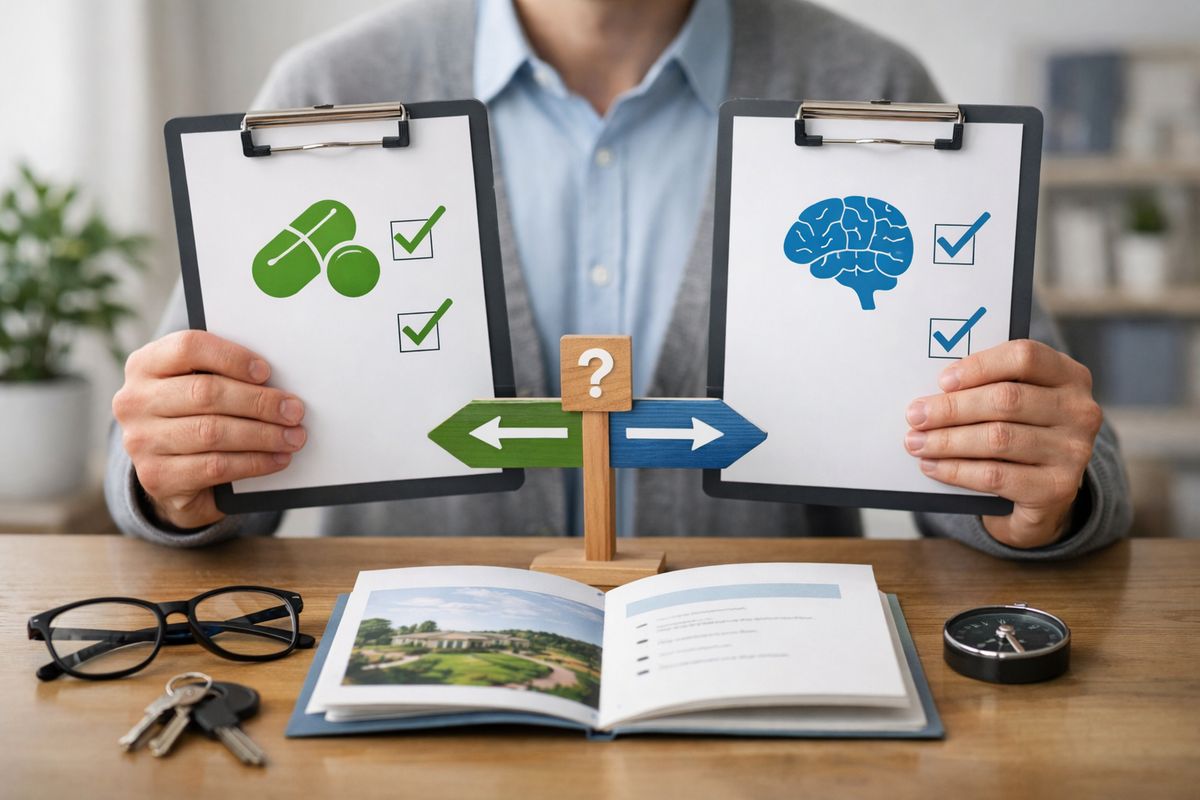
Detox programs vary in structure, setting, and intensity. Choosing the right option depends on factors such as your substance use history, overall health, support system, and treatment goals.
Inpatient detox programs
Inpatient detox offers round-the-clock care in a residential facility. You stay onsite, typically for several days to two weeks, depending on your needs. Benefits include:
- Continuous medical supervision
- Structured daily routines
- Quick response to withdrawal complications
These programs often serve as an entry point into longer inpatient rehab. Learn more about residential services at residential detox for substance abuse or consider a residential drug and alcohol detox center for comprehensive care.
Outpatient detox services
If you have a stable home environment and mild to moderate withdrawal risk, outpatient detox may suit you. You visit a clinic daily for medication management and counseling while living at home. Key advantages include:
- Flexible scheduling
- Lower cost than inpatient care
- Ability to maintain family and work responsibilities
Programs like outpatient drug detox services and short term detox with outpatient transition provide a step-down model that bridges detox and ongoing treatment.
Risks of unsupervised detox
Detoxing alone or with minimal support can lead to serious complications:
- Severe dehydration and electrolyte imbalance
- Seizures and cardiac arrhythmias
- Delirium tremens, affecting about 5% of alcohol withdrawals with a 1–4% mortality rate [2]
- Prolonged withdrawal timelines, especially with benzodiazepines
Attempting detox without professional oversight increases the chance of relapse and medical emergencies. Opting for a medically managed approach [3] ensures you receive timely interventions.
Explore medication assisted treatment
Medication assisted treatment (MAT) combines FDA-approved medications with counseling to address both physical dependence and behavioral aspects of addiction. This evidence-based approach is often critical for opioid and alcohol use disorders.
Basics of MAT
MAT uses medications to alleviate withdrawal symptoms, reduce cravings, and normalize brain chemistry. When paired with behavioral therapies, it increases your chances of sustained recovery [4]. You continue taking medication under supervision, gradually tapering off when appropriate.
Common medications
Medications vary by substance and individual needs:
- Methadone – full opioid agonist for opioid use disorder
- Buprenorphine (Suboxone) – partial agonist that eases cravings
- Naltrexone – opioid antagonist blocking euphoric effects
- Acamprosate and disulfiram – support alcohol detox and relapse prevention
Counseling and peer support accompany these medications to tackle triggers and develop coping skills.
Suboxone clinic support
Suboxone clinics specialize in buprenorphine-based care for opioid addiction. At a suboxone clinic for opioid addiction, you receive medication management, individual counseling, and group therapy. Other options include:
With ongoing assessments, clinics adjust your dosage and integrate counseling, ensuring a balanced approach to recovery.
Incorporate supportive therapies
Beyond detox and medications, therapeutic interventions address the psychological and social dimensions of addiction. A holistic plan strengthens your resilience and reduces relapse risk.
Counseling and therapy
Behavioral therapies help you modify attitudes and behaviors related to substance use. Common modalities include:
- Cognitive behavioral therapy (CBT)
- Dialectical behavior therapy (DBT)
- Motivational interviewing
These approaches enhance the effectiveness of medications and support long-term engagement in treatment [4]. Look for programs offering detox program with counseling support or detox and mental health treatment combined.
Holistic treatment options
Complementary therapies foster overall wellness:
- Yoga and meditation to reduce stress
- Art or music therapy for emotional expression
- Nutrition counseling and exercise programs
Incorporating detox with holistic treatment options can improve mood, sleep, and self-awareness throughout recovery.
Plan your aftercare transition
Successful detox is only the beginning. Planning for life after detox ensures you maintain momentum toward lasting sobriety.
Outpatient rehab integration
After detox, you may enter outpatient or residential rehab. Outpatient programs blend therapy sessions with ongoing support, examples include:
- Alcohol detox and outpatient rehab
- Outpatient detox and counseling program
- Residential detox with aftercare planning
These step-down models help you apply coping strategies in real-world settings while receiving professional guidance.
Relapse prevention strategies
Building a relapse prevention plan involves:
- Identifying triggers and high-risk situations
- Developing healthy coping mechanisms
- Engaging in support groups or peer networks
Resources such as drug detox with relapse prevention and detox program with peer support keep you connected to a community committed to your success.
Choose treatment programs
Selecting the right program means evaluating multiple factors to match your unique needs and goals.
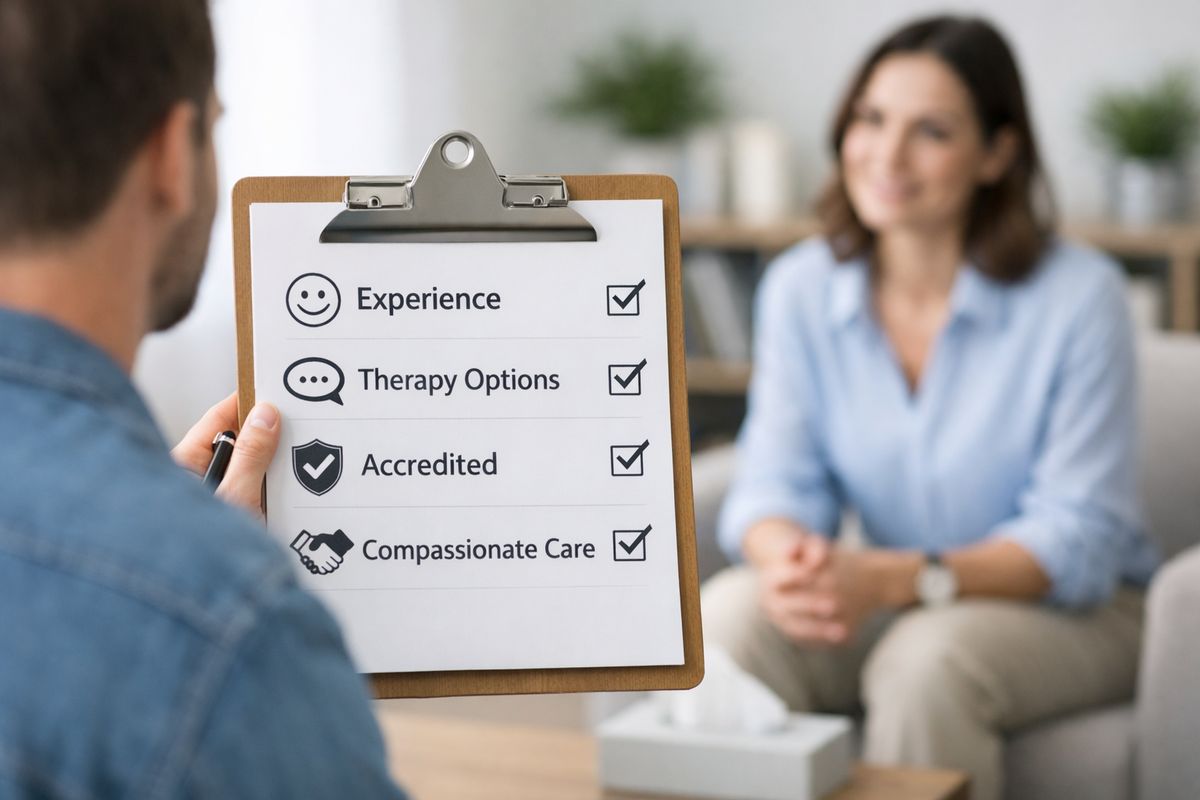
Evaluating program criteria
Consider these elements when comparing centers:
- Accreditation and licensing
- Staff qualifications and specialties
- Dual diagnosis care for co-occurring disorders [5]
- Program length and intensity
You might explore best detox center for addiction, opioid detox program, or opioid addiction detox center to find a good fit.
Insurance coverage and costs
Under the Affordable Care Act, most insurance plans must cover substance use treatment, including behavioral therapies and medications [6]. Coverage varies by plan, medical necessity, and treatment setting. If you require specialized care—for example, medical detox for high acuity clients—confirm benefits with your provider to minimize unexpected expenses.
Seek immediate help
When you feel ready to take action, knowing where to turn can speed your entry into care and ease anxiety.
Helplines and resources
The SAMHSA National Helpline recorded over 833,000 calls in 2020, a 27% increase from the previous year [7]. You can call 1-800-662-HELP (4357) to locate local detox programs, ask questions about treatment options, or access crisis counseling.
Next steps
To move forward:
- Reach out to a trusted professional or helpline for an initial assessment
- Gather your medical and insurance information
- Prepare questions about program structure, medications, and aftercare
- Involve supportive family or friends in your planning
For specialized services, explore addiction recovery detox services. Remember, seeking help is a sign of strength. With a clear plan and evidence-based support, you can navigate the detox process safely and take decisive steps toward a healthier future.