
When you’re seeking the best suboxone treatment program for your recovery, you need a clear understanding of detox pathways, medication-assisted treatment (MAT), and the ongoing support that leads to lasting stability. Suboxone—an FDA-approved combination of buprenorphine and naloxone—blunts cravings, manages withdrawal, and reduces the risk of fatal overdose by about half, making it a foundational element in many outpatient recovery plans [1]. In this article, you’ll explore detox options, dive into evidence-based outcomes, compare program features, and learn how to transition smoothly into ongoing care. By the end, you’ll be equipped to choose a Suboxone treatment program that aligns with your needs, empowers your progress, and supports your journey toward a healthier, opioid-free life.
Detox pathways and options
Understanding detox options is the first step in building a tailored treatment program that addresses both physical dependence and withdrawal symptoms.
Residential detox programs
Residential settings offer 24/7 medical supervision in a structured, supportive environment. You’ll live on-site for the duration of detox, with access to nursing care, individual counseling, and group activities.
- Pros: Intensive monitoring, peer support, onsite counseling
- Cons: Higher cost, time away from home and work
For a deeper look at facility-based options, see our guide to residential detox for substance abuse.
Outpatient detox and counseling
Outpatient detox allows you to receive medication management and therapy while maintaining daily routines. Sessions may include individual counseling and group support to address triggers and coping skills.
- Pros: Flexibility, lower cost, minimal disruption to life
- Cons: Requires reliable transportation, potential for fewer hours of supervision
Learn more about outpatient options in our post on outpatient drug detox services or explore detox program with counseling support.
Medication management support
Combining medical detox with Suboxone induction can ease withdrawal and pave the way for MAT. Facilities offering detox with medication management support coordinate closely with Suboxone clinics to ensure seamless handoffs into ongoing treatment.
As a result of increased need, SAMHSA’s National Helpline received 833,598 calls in 2020—a 27 percent increase over 2019—highlighting the demand for accessible detox and MAT services [2].
Benefits of medication-assisted treatment
Medication-assisted treatment integrates pharmacology with therapy to address both the physical and psychological aspects of opioid use disorder.
How Suboxone works
- Buprenorphine, a partial opioid agonist, attaches to brain receptors to reduce cravings and withdrawal
- Naloxone deters misuse by triggering withdrawal if injected
By binding tightly to receptors, Suboxone prevents intoxication from other opioids and helps you transition back to normalcy.
Evidence-based outcomes
Clinical research confirms the effectiveness of Suboxone programs:
- Nearly 18% of patients on buprenorphine-based treatment had completely clean urine tests after four weeks, compared to 6% on placebo [3]
- Structured Suboxone plans yield success rates of 60–80% in overcoming dependency, with a 76% lower chance of overdose when combined with counseling [4]
- Maintenance dosing around 16 mg/4 mg buprenorphine/naloxone daily stabilizes many patients and reduces illicit opioid use by nearly half within 12 weeks
Accessibility and safety
- Partial agonist profile limits respiratory depression, lowering overdose risk compared to full opioids
- Suboxone is generally covered by Medicaid, Medicare, and private insurers, making it budget-friendly [3]
- Recent policy changes removed waiver requirements for many prescribers, expanding access in primary care and emergency settings [1]
Overall, MAT offers comprehensive care that addresses the root causes of addiction and equips you with tools for long-term recovery.
Choosing the best Suboxone treatment program
When you’re ready to select a program, consider accreditation, staff expertise, and the supportive environment you’ll need.
Program types and formats
- Outpatient sublingual dosing at a suboxone clinic for opioid addiction
- Telemedicine-based MAT for remote access and discretion
- Hybrid models combining in-person induction with virtual check-ins
Explore options in our guide to outpatient suboxone program.
Clinic credentials and staff
Look for programs that:
- Are certified as a Medication for Addiction Treatment (MAT) provider
- Employ board-certified physicians, nurse practitioners, and counselors
- Maintain low patient-to-staff ratios for individualized plans and comprehensive care
Support services offered
A robust Suboxone program pairs medication with therapy and peer support:
- Individual and group counseling
- Family education and involvement
- Case management and aftercare planning
For a broader view of medication-supported recovery, see medication assisted opioid treatment.
Comparing program features
A clear comparison ensures you find a program aligned with your lifestyle and recovery goals.
| Feature | Outpatient MAT | Telemedicine MAT | Residential Program |
|---|---|---|---|
| Dosing flexibility | High | Moderate | Low |
| Counseling integration | In-person or virtual | Virtual only | Onsite daily |
| Insurance coverage | Broad | Broad | More restricted |
| Peer support | Group meetings | Online communities | Cohort living |
| Aftercare planning | Local referrals | Virtual follow-up | Onsite transition prep |
Dosing and maintenance plans
Flexible induction schedules help you find a steady dose, often around 16 mg/4 mg buprenorphine/naloxone, that keeps withdrawal at bay and blocks opioid effects.
Counseling and therapy integration
Quality programs embed behavioral therapies—CBT, motivational interviewing, relapse prevention—into your Suboxone plan. If you value integrated support, look for clinics offering suboxone treatment with counseling.
Telemedicine and hybrid options
Virtual appointments via smartphone or computer can fit busy schedules and rural locations, providing discreet care without travel barriers.
Cost and insurance coverage
Confirm that your plan covers buprenorphine prescriptions and clinic visits. Many programs accept Medicaid, Medicare, and private insurance, minimizing out-of-pocket expenses.
Transitioning into ongoing care
Recovery extends beyond detox and initial stabilization—aftercare and support networks are vital for lasting change.
Aftercare and relapse prevention
Structured aftercare may include:
- Regular check-ins with your provider
- Peer support groups, such as SMART Recovery or 12-step meetings
- Relapse prevention workshops and life-skills training
These elements form the support necessary for lasting recovery.
Peer and family support
Involving loved ones in education and therapy strengthens your support network and fosters open communication, reducing shame and isolation.
Integrating holistic services
Holistic therapies—yoga, mindfulness, nutritional counseling—complement MAT by promoting overall wellness. For programs that combine mental health and medical care, explore detox and mental health treatment combined.
Start your recovery journey
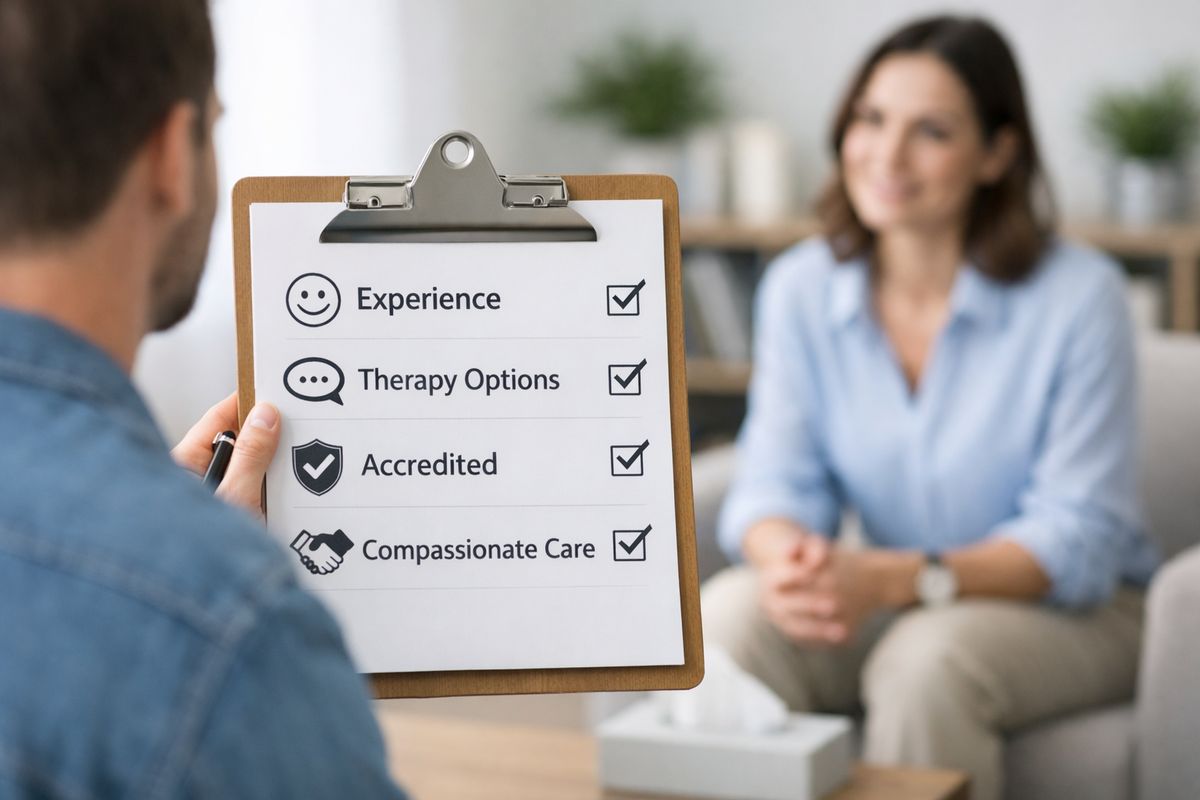
Choosing the best suboxone treatment program means matching services to your unique needs. Use this checklist to guide your decision:
- Complete a personalized assessment of your medical history and addiction severity.
- Verify clinic accreditation, staff credentials, and patient-to-provider ratio.
- Review program features: dosing flexibility, counseling integration, telemedicine access, and cost.
- Ask about post-treatment support: aftercare planning, peer groups, family involvement.
- Schedule an initial consultation to discuss individualized plans and expected outcomes.
Your path to recovery begins with an informed decision. By selecting a program that offers tailored treatment, comprehensive care, and a supportive environment, you lay the foundation for a healthier, opioid-free life. If you’re ready to take the first step, reach out to a Suboxone provider today and start building your lasting recovery plan.