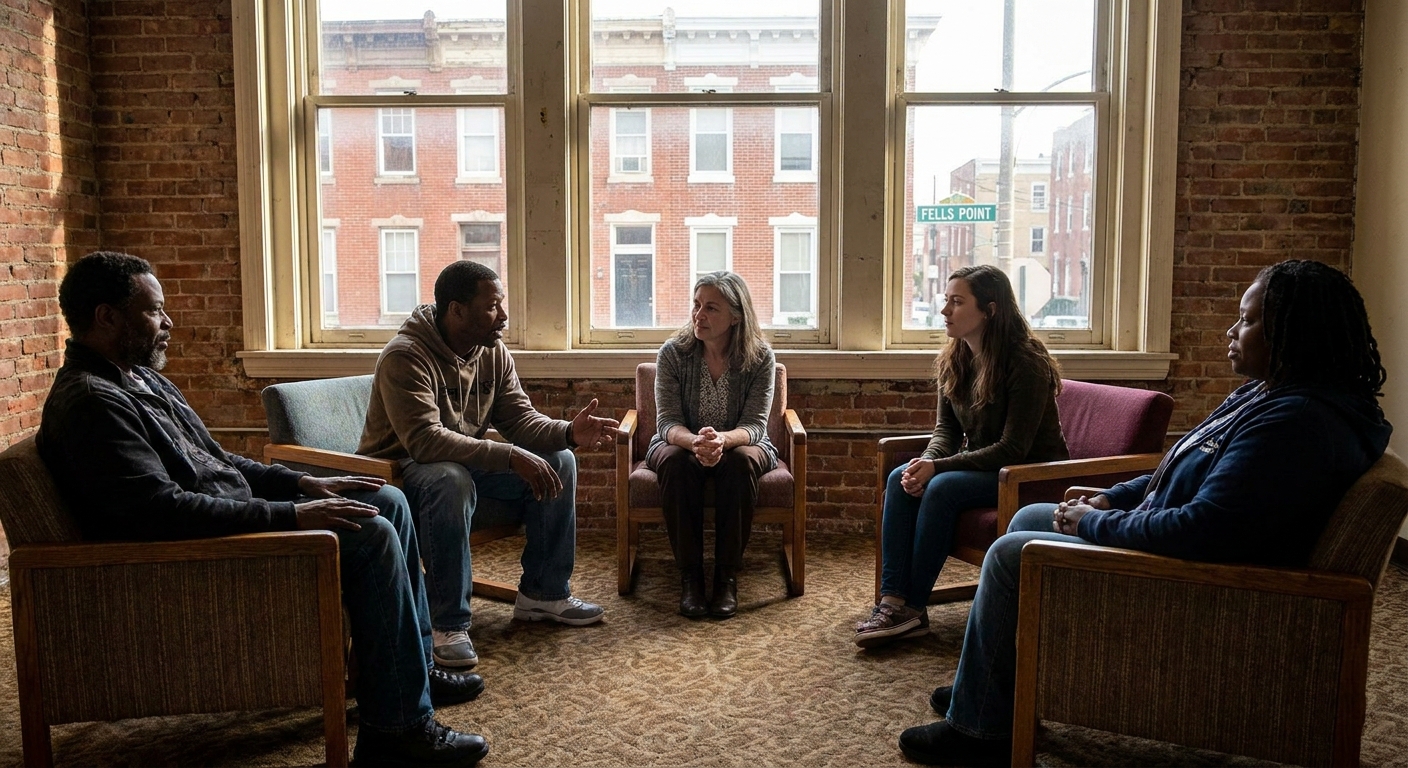

Finding a safe and supportive living environment can be a turning point on your path to recovery. A transitional housing program with therapy support provides more than just a place to stay, it offers structured case management, life skills training, and counseling services designed to help you rebuild stability and health. In these programs, you benefit from a blend of secure housing and individualized treatment plans that address co-occurring mental health issues, addiction recovery, and reentry needs. Throughout this article, you’ll learn how these programs work, compare different housing options, and discover community resources to support your journey.
Program overview and benefits
What you can expect
In a transitional housing program, you move into a fully furnished apartment or shared home where you receive ongoing support to maintain sobriety and build life skills. Typical features include:
- Structured environment with clear house rules
- Individualized therapy sessions and group counseling
- Regular meetings with a case manager
- Life skills workshops on budgeting, cooking, and job readiness
- Peer support from others in recovery
Who qualifies for support
Eligibility varies by program but often includes:
- Individuals completing inpatient addiction treatment
- People exiting correctional facilities
- Veterans transitioning from military service
- Youths ages 17–24 at risk of homelessness
- Those with co-occurring mental health and substance use disorders
For example, Huck House offers young people safe, fully furnished apartments for 12 to 18 months, combined with counseling and life skills coaching [1].
Explore how transitional housing assists those recovering from addiction in our transitional housing for addiction recovery resource.
Supportive services explained
Therapy and counseling
Many programs integrate professional counseling to address underlying issues and promote long-term wellness. Key options include:
- Individual counseling with a licensed therapist
- Group sessions to share experiences and build accountability
- Family therapy to repair relationships
- Trauma-informed care for past abuse or neglect
Housing that combines a safe environment with addiction counseling can be found in our housing program with addiction counseling page.
Individual counseling
One-on-one sessions help you explore personal challenges, set recovery goals, and develop coping strategies tailored to your needs.
Group sessions
Peer groups offer a supportive space to discuss progress, celebrate milestones, and learn from others facing similar struggles.
Case management support
A dedicated case manager coordinates your care, linking you to medical services, legal aid, vocational training, and public benefits. Your case manager can help you:
- Navigate housing applications
- Apply for disability or veterans benefits
- Schedule healthcare and therapy appointments
- Connect with community programs
Learn more about coordinated care in case management services for recovery clients.
Peer support networks
Building connections with others in recovery fosters encouragement and reduces isolation. Programs often include:
- Peer-led support meetings
- Mentorship or sponsor pairings
- Sober social events
Discover community-driven living in our supportive housing with peer support overview.
Housing options compared
| Housing type | Description | Typical duration | Primary services |
|---|---|---|---|
| Transitional housing with therapy support | Secure semi-permanent living with integrated counseling and case management | 3 to 24 months [2] | Individual and group therapy, case management, life skills workshops |
| Sober living communities | Peer-run sober homes that emphasize abstinence | Varies, often 6 to 12 months [3] | Peer support, house meetings, shared accountability |
| Step-down residential housing | Structured transition after inpatient rehab | 45 to 60 days | Onsite medical supervision, individual therapy, relapse prevention education residential housing for addiction treatment step down |
Reentry programs overview
Ex-offender housing support
If you’re leaving incarceration, specialized transitional housing can help you adjust to life outside. Services often include job readiness, legal advocacy, and sober living guidelines. Programs to explore:
- Reentry housing program for individuals post-incarceration
- Ex-offender supportive housing and reentry program
These initiatives assist with parole requirements, resume building, and securing stable housing.
Veteran transitional housing
Veterans face unique challenges during reentry. Dedicated programs partner with VA clinicians to provide trauma-informed therapy and peer groups. Key features:
- Specialized PTSD and trauma counseling
- Connection to veteran benefits
- Community events with fellow service members
Learn more in our transitional housing program for veterans.
Life skills training
Daily living skills
Developing practical skills is essential for independence. Workshops often cover:
- Budgeting and financial planning
- Meal preparation and nutrition
- Grocery shopping and kitchen safety
- Home maintenance and cleanliness
See how you can build these skills in supportive housing with life skills training.
Job readiness programs
Securing employment reinforces your recovery and housing stability. Services may include:
- Resume writing and interview coaching
- Vocational training or certification courses
- Job placement assistance
For combined housing and employment support, visit job readiness program for people in recovery or supportive housing and employment readiness.
Community support services
Mental health services
Addressing co-occurring conditions increases your chance of lasting recovery. Programs often provide:
- Psychiatric evaluation and medication management
- Dual diagnosis support supportive housing program for dual diagnosis
- Wellness activities like yoga and mindfulness
Explore options in supportive housing with mental health services.
Dual diagnosis housing
Specialized residences ensure you get therapy for both mental health and substance use, reducing relapse risk.
Family reintegration programs
Rebuilding family ties can be a powerful motivator in recovery. Services may include:
- Family therapy sessions
- Parenting skills workshops
- Visitation accommodations and supervised visits
Programs to consider:
- Program for family reintegration and recovery
- Family health services for people in recovery
- Youth and family supportive services program
Ongoing recovery planning
Measuring your progress
Tracking key milestones helps you stay focused. Consider metrics such as:
- Days of continuous sobriety
- Attendance at therapy or support groups
- Employment status and income stability
- Permanent housing secured
Use these benchmarks to celebrate victories and adjust your plan as needed.
Preparing for independent living
As you near program completion, focus on permanent housing and self-sufficiency:
- Save for security deposits and first month’s rent
- Build credit and set up utility accounts
- Connect with behavioral health supportive housing services
- Explore housing support for mental health recovery
Take the next step
Moving forward with confidence means tapping into available resources and making informed choices. You can:
- Contact local transitional housing providers for an intake assessment
- Reach out to housing assistance for people in recovery
- Connect with community support services for recovery
- Enroll in a reentry program with job readiness training
By engaging with these supportive housing and community services, you strengthen your foundation for lasting recovery and independence.