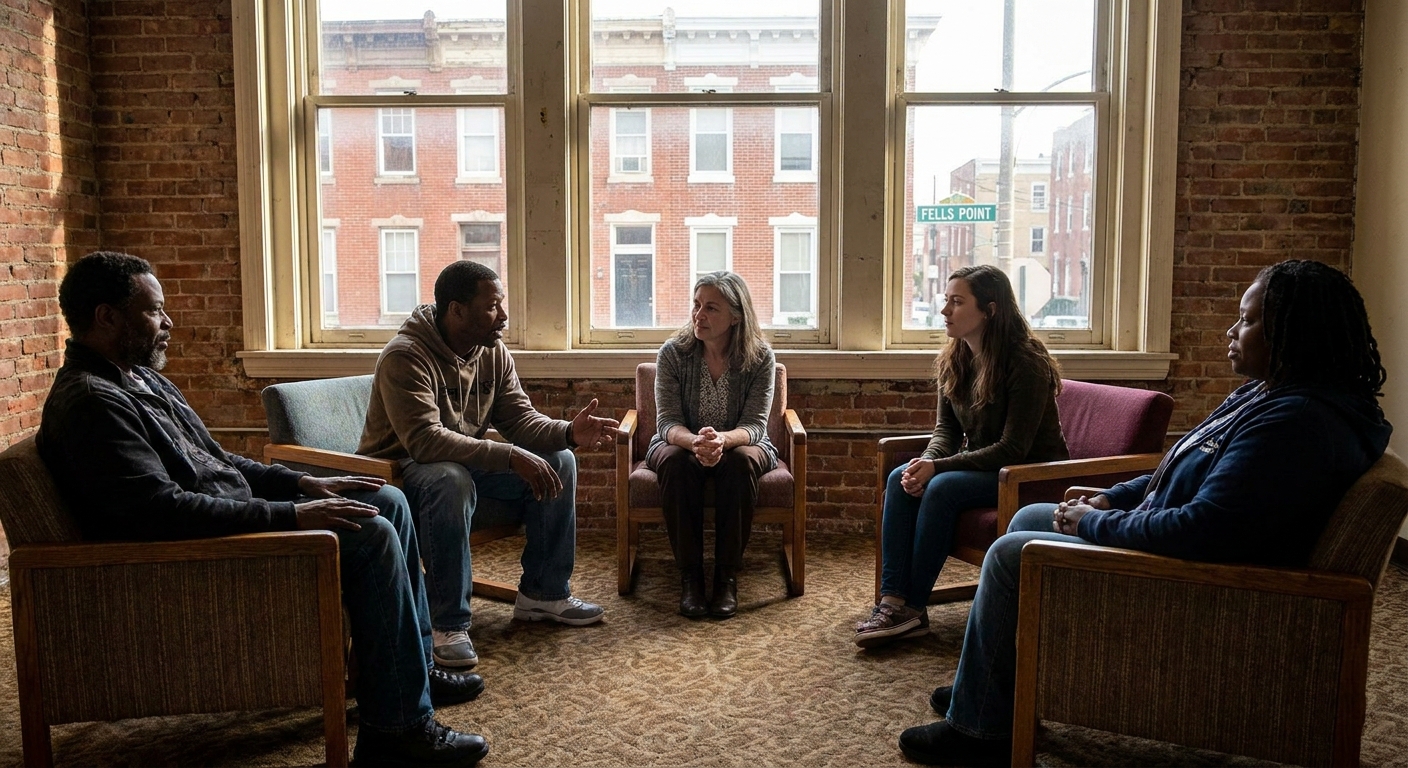

When you or your loved one faces the dual challenge of addiction recovery and housing instability, finding stable, supportive environments is essential. A housing program with addiction counseling offers more than shelter—it combines safe, substance-free living with evidence-based therapy, life skills training, and peer support. By integrating these elements, you benefit from comprehensive care designed to address the root causes of addiction and equip you with the tools for lasting recovery. In this article, you will learn about core components, life stabilization services, housing options, recovery outcomes, reentry support, community integration, and real success stories that demonstrate how you can rebuild your life with confidence.
Housing program with addiction counseling
Core components
A housing program with addiction counseling brings together several key elements to foster stability and sobriety:
- Safe, substance-free environment
- On-site or partnered addiction counseling
- Individualized case management
- Peer support groups and mentorship
- Life skills and educational workshops
These programs align with SAMHSA’s definition of recovery housing as “safe, healthy, family-like substance-free living environments supporting individuals in recovery from addiction” [1]. Across the United States, about 17,900 recovery housing providers serve more than 275,000 people at any given time, reflecting the critical role of these programs in public health.
Integrated therapy approaches
In addition to individual and group counseling, many supportive housing programs incorporate contingency management (CM). CM uses tangible incentives—such as vouchers or prizes—to reinforce drug-free behavior and increase treatment attendance [2]. By rewarding milestones like negative screens or workshop completion, CM interventions complement clinical care and encourage you to stay engaged in recovery.
Understanding life stabilization services
Life stabilization services give you the foundation to manage daily responsibilities while you focus on recovery. These supports reduce stressors that can trigger relapse and help you build confidence in managing work, relationships, and health.
Case management
Your case manager acts as a central point of contact, coordinating clinical care, housing resources, and social services. They will:
- Assess your needs and preferences
- Develop an individualized service plan
- Connect you with healthcare, legal aid, and employment programs
- Monitor progress and adjust plans as needed
For more details on tailored support, explore our case management services for recovery clients.
Life skills training
Learning practical skills promotes independence and self-efficacy. Sessions may cover:
- Financial literacy and budgeting
- Healthy meal planning and nutrition
- Time management and goal setting
- Conflict resolution and communication
Many programs embed these workshops into daily routines. If structured skill-building appeals to you, consider a supportive housing with life skills training option.
Job readiness
Securing employment is a vital step in reclaiming your life. Job readiness services often include:
- Resume writing and interview practice
- Vocational counseling and career exploration
- Work placements or internships
- Employer outreach and job fairs
By pairing housing with a job readiness program for people in recovery, you can transition smoothly into the workforce.
Exploring housing options
Supportive housing comes in various forms, each designed to meet different stages of your recovery.
Transitional and step-down housing
Transitional housing provides time-limited residences where you practice independent living under supervision. Step-down programs bridge intensive treatment and community reentry, offering:
- Structured daily schedules
- Regular drug screenings
- Group counseling
- Life skills workshops
You can learn more about these settings in our transitional housing for addiction recovery guide or explore residential housing for addiction treatment step down.
Sober living programs
In sober living homes, you share a residence with peers committed to sobriety. Typical features include:
- Peer-led house meetings
- Curfews and household rules
- Randomized testing for substances
- Shared chores and accountability
If communal living appeals to you, check out our sober living and supportive housing program.
Specialized supportive housing
Some programs focus on co-occurring disorders or mental health needs:
- Supportive housing with on-site therapy for depression, anxiety, or PTSD
- Dual-diagnosis units that integrate psychiatric care with addiction services
You can find options such as supportive housing with mental health services or supportive housing for dual diagnosis to match your needs.
Strengthening recovery outcomes
Data shows that combining housing with addiction counseling boosts key recovery metrics.
| Metric | Transitional housing participants | Non-transitional participants |
|---|---|---|
| Reported using transitional housing during treatment | 16% | 84% |
| Negative substance test rate | 75% | 67% |
(Adapted from PMC)
Beyond testing outcomes, recovery housing demonstrates positive impacts on:
- Recidivism reduction
- Sustained abstinence
- Lower overdose mortality
- Enhanced employment and social integration
These findings underscore the value of structured living environments combined with counseling, peer support, and contingency management.
Navigating reentry programs
If you are transitioning from incarceration, specialized reentry programs offer the support you need to rebuild your life.
- Safe housing with curfews and substance-free rules
- Intensive case management and legal assistance
- Job placement workshops and vocational training
You can explore options like our reentry program for ex offenders or find tailored support through a reentry housing program for individuals post-incarceration. These services reduce barriers and promote successful community reintegration.
Building community support
Recovery does not happen in isolation. A supportive community helps you stay accountable and connected.
- Peer networks in supportive housing with shared responsibilities and mentorship [3]
- Family-centered initiatives that rebuild trust and healthy communication [4]
- Local resources offering counseling, advocacy, and group activities [5]
By embedding yourself in these support systems, you strengthen your resilience and foster lasting relationships.
Choosing the right program
Selecting the ideal housing program involves careful consideration of several factors:
- Location and accessibility – proximity to work, family, and public transit
- Services offered – on-site addiction counseling, life skills, case management
- Program duration and flexibility – short-term transitional vs long-term supportive housing
- Accreditation and licensing – ensure compliance with state and federal standards
- Funding and cost – explore sliding-scale fees, HUD grants, or insurance coverage
- Resident testimonials – speak with current or former participants for firsthand insights
For a broad inventory of options, visit our supportive housing program for recovery overview and learn about housing assistance for people in recovery.
Celebrating success stories
Real-world examples show how housing paired with addiction counseling transforms lives. Here are a few highlights from Oriana House, Inc:
- Tara transitioned from a life consumed by substances to becoming a licensed chemical dependency counselor and now leads her own treatment practice.
- Kenny found sobriety for his daughter’s sake, then founded a positive movement called Just A Dad From Akron, mentoring others in recovery.
- Vaughn completed treatment through the Turning Point Specialty Drug Court and now volunteers as a mentor for program newcomers.
- Shannon, a mother of three, credits stable housing and counseling with helping her rebuild her family life and maintain long-term sobriety.
Read more inspiring journeys at Oriana House success stories.
Taking the next step
Embarking on recovery with the right housing program can set the stage for lifelong well-being. To move forward:
- Reach out to a local provider or healthcare professional for an assessment
- Discuss your needs, including mental health, employment goals, and family support
- Ask about available funding, case management, and peer mentorship
- Visit potential residences to gauge the environment and meet staff
You deserve a supportive environment that nurtures growth, accountability, and hope. Explore our behavioral health supportive housing services to find programs that align with your journey toward lasting recovery.