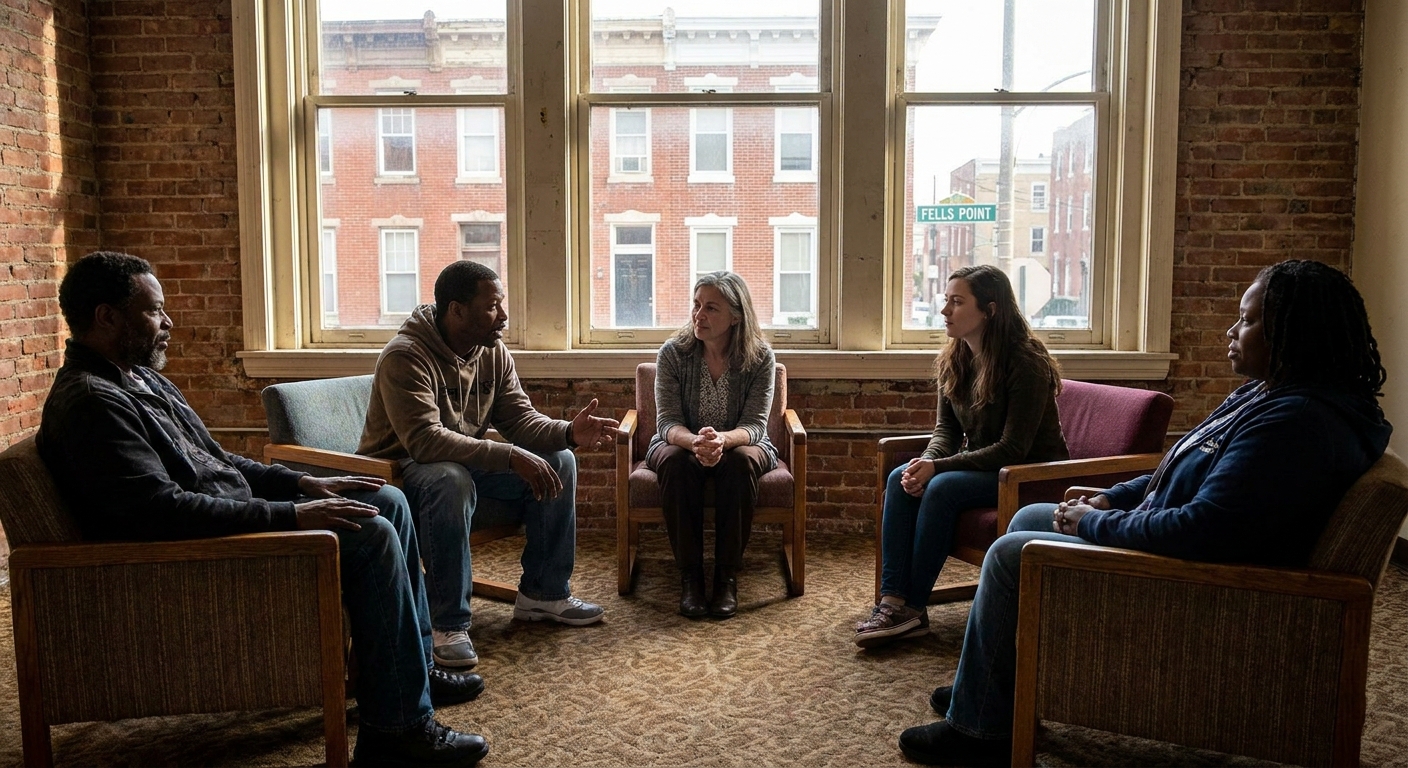

Understand supportive housing services
Behavioral health supportive housing services combine stable living environments with comprehensive care, empowering you to rebuild your life after challenges such as addiction, mental health issues, or reentry after incarceration. By integrating affordable housing with wraparound supports—like case management, counseling, and life skills training—these programs foster long-term stability, autonomy, and dignity.
In these settings, you gain more than a roof over your head. You access tailored treatment plans and a supportive environment designed to help you overcome barriers, maintain recovery, and connect with community resources. As a result, residents often see improvements in housing stability, employment, physical and mental health, and reduced substance use.
Key benefits for recovery
- Affordable, safe housing that reduces crisis responses
- Intensive case management linking you to health, counseling, and social services
- Peer support networks promoting accountability and shared experience
- Holistic life skills training covering employment readiness, budgeting, and daily living
Evidence-based effectiveness
Supportive housing has been shown to lower public costs and improve outcomes. In New York City, cost studies found an average saving of $16,282 per unit each year, covering 95% of program expenses through reduced ER visits, shelter stays, and crises [1].
A Housing First model achieved an 88% housing retention rate over five years for people with severe psychiatric disabilities and addictions, a significant improvement over traditional approaches [2].
In Canada, programs following evidence-based supportive housing practices reported 84.2% three-year retention among tenants needing psychiatric services, compared to 59.6% in control groups [3].
Explore housing options
Supportive housing spans a range of models to fit your situation. From permanent residences to transitional facilities, you can find an option aligned with your recovery stage and goals.
Permanent supportive housing
Permanent supportive housing provides long-term residence with voluntary services and rent capped at around 30% of your income. According to Jamboree’s model in California, this approach reduces hospitalizations, incarcerations, and homelessness while enabling you to thrive in a stable environment [4].
Transitional housing programs
For addiction recovery
Structured short-term housing that bridges inpatient care and independent living, often including therapeutic support. Explore transitional housing for addiction recovery to maintain momentum after treatment.
For veterans
Dedicated programs offering peer camaraderie and specialized mental health services to ease the shift from service life to civilian stability.
Reentry housing support
If you are returning from incarceration, a reentry housing program for individuals post-incarceration can provide you with safe housing, case management, and connections to legal, employment, and counseling services.
Leverage life stabilization services
Beyond a place to live, supportive housing integrates services that strengthen your daily functioning and long-term success.
Case management support
Case management services for recovery clients coordinate your access to healthcare, mental health counseling, substance use treatment, and social benefits. Lower caseloads ensure personalized attention, helping you set goals and overcome obstacles.
Peer support networks
Living alongside others on a similar journey fosters accountability and mutual encouragement. Look for programs offering supportive housing with peer support, where you can share experiences and build lasting recovery bonds.
Skill building opportunities
- Job readiness program for people in recovery teaches resume writing, interview techniques, and workplace etiquette
- Supportive housing with life skills training covers budgeting, meal planning, and time management
- Community reintegration program after rehab connects you to volunteer roles and local activities
- Family health services for people in recovery and youth and family supportive services program help you rebuild relationships
Plan for reentry programs
A successful reentry plan addresses housing, employment, and community connections in an integrated way.
Holistic reentry approach
Effective programs link you with housing and behavioral supports while addressing mental health, substance use, and legal needs. This “no wrong door” philosophy ensures you receive the right mix of services without having to chase referrals.
Employment readiness training
Engage in a reentry program with job readiness training to develop skills that match your interests and local labor market demands. Many programs also offer connections to supportive employers.
Community support services
Beyond housing, community support services for recovery can include peer-led groups, counseling, and family outreach. These services help you stay connected, preventing isolation and relapse.
Evaluate supportive housing providers
Choosing the right program means asking the right questions and weighing your options against your needs.
Ask about services offered
- Does the program include mental health counseling or therapy?
- Are substance use supports and relapse prevention available?
- Is on-site medical care or referral provided?
Assess program fit
- Supportive housing with mental health services for integrated therapy
- Supportive housing program for dual diagnosis if you have co-occurring disorders
- Housing program with addiction counseling for focused substance use treatment
Review cost and eligibility
Most programs limit your rent to 30% of your income, but eligibility can depend on factors like your recovery stage, income level, and local availability. Clarify any application requirements and waitlist procedures.
Measure long-term success
Tracking progress helps you and your support team adapt your plan for lasting recovery.
Track housing stability
Monitor your tenure, any moves, and housing satisfaction. Stable residence correlates strongly with improved health and reduced crisis episodes.
Monitor health outcomes
Keep data on hospital visits, medication adherence, and mental health assessments. Positive trends here indicate that your housing setting and supports are working.
Adjust your plan
Regular check-ins with your case manager allow you to update services—adding employment training, peer support, or higher-level care as needed to stay on track.
Take next steps
Your journey toward lasting recovery and stability begins by exploring the right housing and support options. Learn more about services designed to meet your needs:
- Reach out for [housing assistance for people in recovery]
- Discover a [supportive housing for long-term recovery] program
- Connect with [supportive housing with mental health services]
You deserve a safe, nurturing environment where you can build new routines, regain confidence, and pursue your goals. Contact your local providers today to discuss how behavioral health supportive housing services can become a cornerstone of your recovery journey.