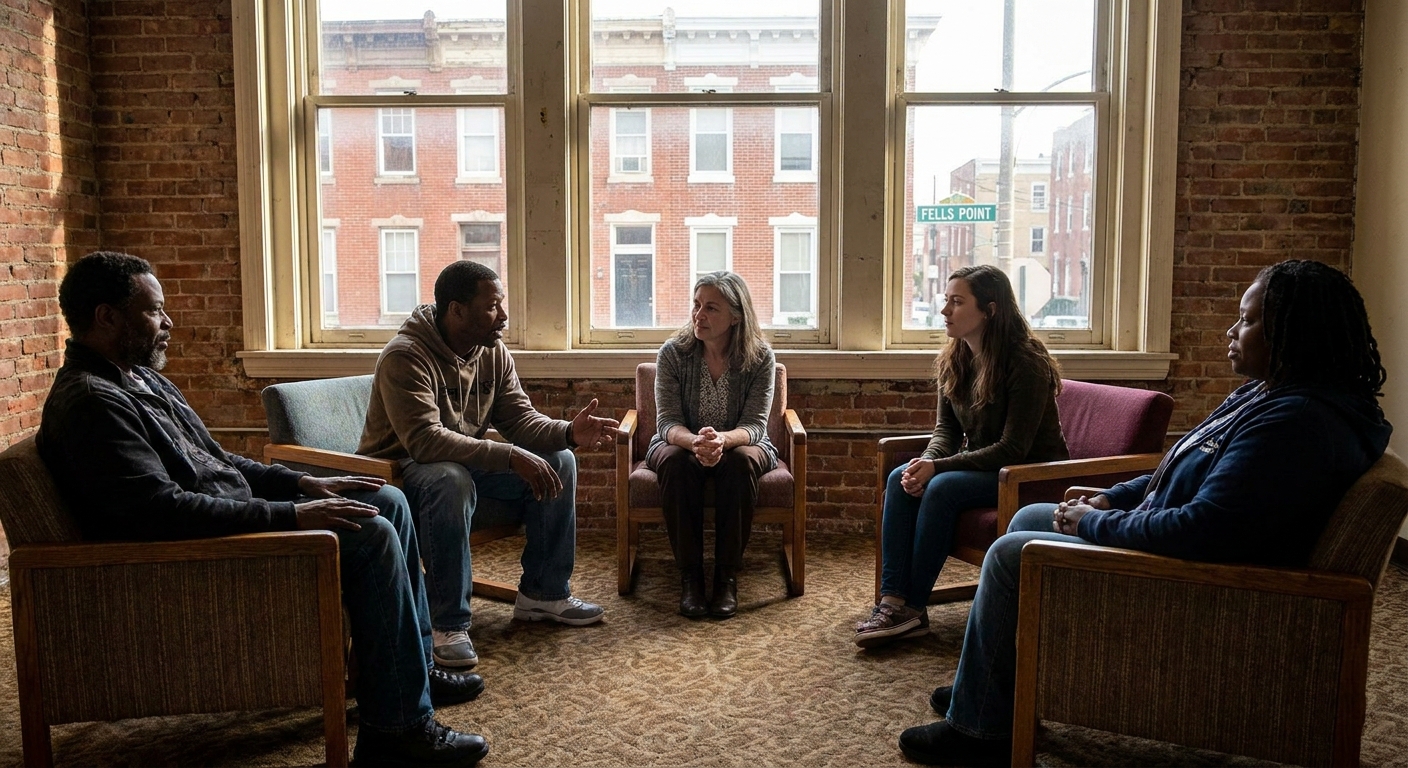

When you enroll in a job readiness program for people in recovery, you step into a structured path designed to rebuild your confidence, reestablish daily routines, and prepare you for meaningful work. These programs blend career development with life stabilization services, helping you regain financial independence, foster a sense of purpose, and reduce the risk of relapse (Leora Behavioral Health). As you move through each phase—assessment, skills training, job placement, and follow-up—you’ll gain the tools and support necessary for lasting recovery and community reintegration.
Overview of program goals
A well-designed job readiness initiative aims to bridge the gap between treatment and employment. Key objectives include:
- Clarifying your career interests and strengths
- Teaching effective job search strategies
- Building core work habits like punctuality and teamwork
- Coordinating with housing and supportive services for stability
- Tracking progress through measurable milestones
By focusing on both professional and personal development, these programs empower you to navigate workplace challenges and maintain recovery gains. In many cases, employment specialists integrate vocational services with mental health support through models like Individual Placement and Support (IPS), which have demonstrated employment rates of 60% versus 24% in traditional rehab vocational services over an 18-month period [1].
Assessment and planning
Early in the program, you’ll work with an employment specialist to map out a personalized plan. Common steps include:
- Intake evaluation
- Substance use history
- Employment background
- Education and skills inventory
- Goal-setting workshop
- Short-term targets (eg, resume draft)
- Long-term objectives (eg, full-time position)
- Barrier identification
- Transportation challenges
- Housing instability
- Gaps in work history
Techniques like OARS (Open questions, Affirmations, Reflective listening, Summarization) help you articulate goals and build a roadmap that aligns with your recovery journey (Samba Recovery). You may also explore resources through a community support services for recovery network to address needs beyond employment.
Skills development modules
Once your plan is in place, the program typically offers structured training in:
- Resume writing and cover letter crafting
- Interview techniques, including mock interviews
- Job search strategies and online applications
- Soft skills such as communication, teamwork, and problem-solving
- Workplace etiquette and professionalism
SherpaCT reports that 80% of top employer-demanded skills are soft skills, with 51% of trainees gaining confidence after dedicated workshops [2]. Training formats may include:
- Classroom sessions
- One-on-one coaching
- Peer-led workshops
- Hands-on internships or job shadows
Through practice and feedback, you refine your abilities and learn to showcase your strengths to potential employers.
Employment placement support
A critical component is hands-on assistance with job search and placement:
Job placement assessments
Your specialist evaluates local labor market demand, matching you with opportunities that fit your skills and interests.
Employer partnerships
Programs often partner with businesses open to second-chance hiring protocols. These agreements may include:
- Fidelity bonding through the Federal Bonding Program
- Tax incentives via the Work Opportunity Tax Credit (WOTC)
- Customized onboarding for individuals in recovery [3]
Supported employment models
The IPS model pairs you with an employment specialist who liaises with employers to secure suitable positions. A comparison of outcomes shows:
| Model | Employment rate | Time to first job | Hours/week reached |
|---|---|---|---|
| IPS supported employment | 60% | Faster | ≥20 |
| Conventional services | 24% | Slower | <20 |
This evidence-based approach ensures you receive ongoing support as you adjust to workplace demands.
Stabilization and housing integration
Stable housing and daily routines are essential to sustain employment. Many programs collaborate with housing services such as:
- Supportive housing and employment readiness
- Transitional housing for addiction recovery
- Sober living and supportive housing program
These partnerships provide safe environments where you can focus on job training and work commitments. You might engage in:
- Regular check-ins with a case manager
- Life skills training (time management, budgeting)
- Peer support groups to reinforce accountability
By integrating housing with vocational services, programs reduce the stress of daily survival and allow you to concentrate on professional growth.
Case management collaboration
Case managers play a vital role in coordinating services across multiple domains:
- Linking you with supportive housing with mental health services
- Referring to family health services for people in recovery
- Arranging case management services for recovery clients
- Connecting with reentry program with job readiness training if you have justice-system involvement
Through regular meetings, your case manager tracks your engagement, adjusts plans as needed, and advocates on your behalf. This holistic coordination ensures you don’t navigate complex systems alone.
Tracking outcomes and progress
Monitoring your progress keeps you motivated and highlights areas needing extra focus. Common metrics include:
- Number of applications submitted
- Interview invitations received
- Job offers and acceptance rates
- Work hours maintained per week
- Relapse occurrences and recovery milestones
Programs may use digital dashboards or paper-based logs to record these data points. Regular reviews help celebrate victories—like securing your first interview—and address setbacks through targeted coaching.
What to expect week by week
While each program varies, a typical 12-week timeline might look like:
- Weeks 1–2: Intake, evaluation, goal setting
- Weeks 3–5: Soft skills and resume workshops
- Weeks 6–8: Interview prep and employer outreach
- Weeks 9–10: Job placement and onboarding support
- Weeks 11–12: Follow-up coaching and transition planning
You may also attend ongoing support groups or alumni meetups after formal completion to maintain momentum.
Preparing for success
To get the most from your participation:
- Engage fully in every module and activity
- Practice techniques like OARS with peers and coaches
- Leverage housing stability services for a reliable daily routine
- Communicate challenges early with your case manager
- Build a supportive network through peer-led sessions
By taking ownership of your recovery and employment journey, you reinforce healthy habits that extend far beyond the workplace.
Moving forward with confidence
A job readiness program for people in recovery blends vocational training, housing stability, and holistic support to equip you for lasting success. Whether you are reentering the community after treatment or seeking to rebuild your career post-incarceration, these services help you embrace new opportunities and solidify your recovery. Explore related resources like transitional housing program with therapy support or ex-offender supportive housing and reentry program to find a comprehensive plan that meets your needs. With the right preparation, you can look ahead with confidence and claim the fulfilling work life you deserve.