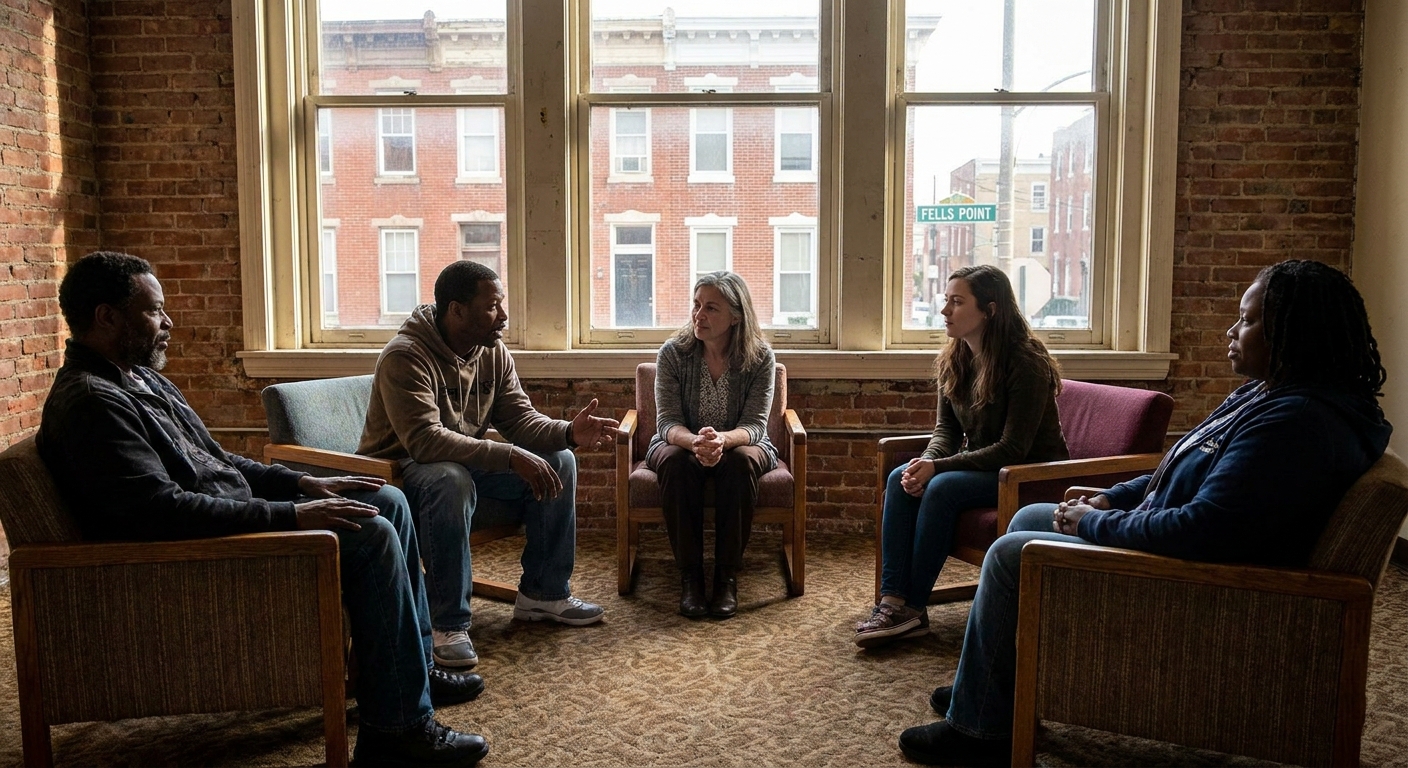

If you are exploring residential housing for addiction treatment step down, you are taking a crucial step toward stability in your recovery journey. These structured sober living environments bridge the gap between intensive care and independent life, offering the support you need as you transition toward lasting wellness. Whether you have completed inpatient rehab or intensive outpatient services, step-down residences provide an environment designed to reinforce accountability, build life skills, and strengthen your connection to community resources.
Understand residential housing
What step-down housing means
Step-down housing refers to residential programs that offer housing with varying levels of support after formal addiction treatment. You move from a highly supervised clinical setting into a less restrictive environment that still maintains recovery-focused structure. This approach prevents abrupt transitions, helping you adjust to daily routines, manage triggers, and practice coping skills in a safe space.
How it supports recovery
By living among peers who share similar goals, you reinforce sobriety through mutual encouragement and shared accountability. Studies show that residing in structured sober housing during outpatient treatment is linked to a greater likelihood of satisfactory discharge and longer stays in treatment programs [1]. On average, individuals in recovery housing remain in outpatient care for 156.3 days, compared to 76.4 days for those without this support.
Explore housing types
Halfway houses
Halfway houses serve as a bridge or support network between rehab and fully independent living. You follow established rules—visitation guidelines, curfews, and mandatory meetings—while gaining life skills and peer support [2]. Costs vary by location and level of care, though government grants often subsidize upkeep.
Sober living residences
Sober living homes focus on peer-driven support without on-site clinical services. You pay rent, engage in house meetings, and follow house rules that promote accountability. These settings complement outpatient programs like sober living and supportive housing program and transitional living for people leaving rehab.
Levels of recovery residences
Recovery residences range from peer-run homes to licensed treatment facilities. The National Alliance for Recovery Residences defines four levels:
| Level | Services provided | Clinical treatment on-site | Model type |
|---|---|---|---|
| I | Peer support, drug-free environment | No | Resident-driven sober living |
| II | Peer support, structured meetings | No | Monitored sober living |
| III | Recovery support services, staff oversight | No | Supervised recovery residence |
| IV | Clinical treatment, licensed as residential program | Yes | Integrated treatment and housing |
Level I to III homes meet criteria like maintaining a drug-free environment and allowing free choice of service providers, while Level IV residences deliver on-site clinical services and require licensing in some states [3].
Identify key benefits
Stable environment
- Provides a predictable daily routine
- Reduces exposure to high-risk situations
- Encourages healthy habits and self-care
Peer support
- Fosters camaraderie and shared accountability
- Enables you to learn coping strategies from others
- Builds a recovery-focused social network
Extended treatment
Living in step-down housing extends your continuum of care beyond clinical sessions. This ongoing support helps prevent relapse by reinforcing new behaviors until they become second nature.
Evaluate program features
Case management and counseling
Effective programs offer case management services for recovery clients to coordinate your treatment, housing, and community resources. Individual and group counseling sessions address emotional challenges and relapse prevention.
Life skills training
You learn practical skills—budgeting, meal planning, conflict resolution—through programs like supportive housing with life skills training. These competencies boost confidence and independence.
Employment readiness
Securing stable work supports long-term recovery. Look for housing that partners with job readiness program for people in recovery or offers supportive housing and employment readiness.
Mental health services
Co-occurring disorders require integrated treatment. Options such as supportive housing with mental health services and supportive housing program for dual diagnosis ensure you receive counseling and psychiatric support.
Integrate reentry services
For ex-offenders
If you are coming out of incarceration, specialized programs like reentry housing program for individuals post-incarceration and ex-offender supportive housing and reentry program help you navigate legal requirements, secure housing, and maintain sobriety.
Family reintegration
Reconnecting with loved ones demands support. Programs such as program for family reintegration and recovery offer family counseling, parenting classes, and supervised visitations to rebuild trust.
Choose the right program
Assess your needs
- Consider level of support: clinical services, peer oversight, or self-run
- Evaluate location: proximity to work, family, and community resources
- Review costs and funding options, including grants and sliding-scale fees
Ask program questions
Before you commit, inquire about:
- House rules and resident expectations
- Availability of on-site counseling or referrals
- Connections to community support services for recovery and self-help groups
- Employment and education assistance like job readiness program for people in recovery
- Access to case management and crisis intervention
Next steps and resources
Transitioning into residential housing for addiction treatment step down can transform your path to recovery. To explore options:
- Review behavioral health supportive housing services for integrated care
- Learn about transitional housing for addiction recovery if you need more structure
- Investigate housing assistance for people in recovery to help with affordability
- Connect with community mental health and housing support for counseling and peer groups
By selecting the right step-down residence and leveraging supportive services, you set the stage for lasting stability, renewed purpose, and a community dedicated to your success.