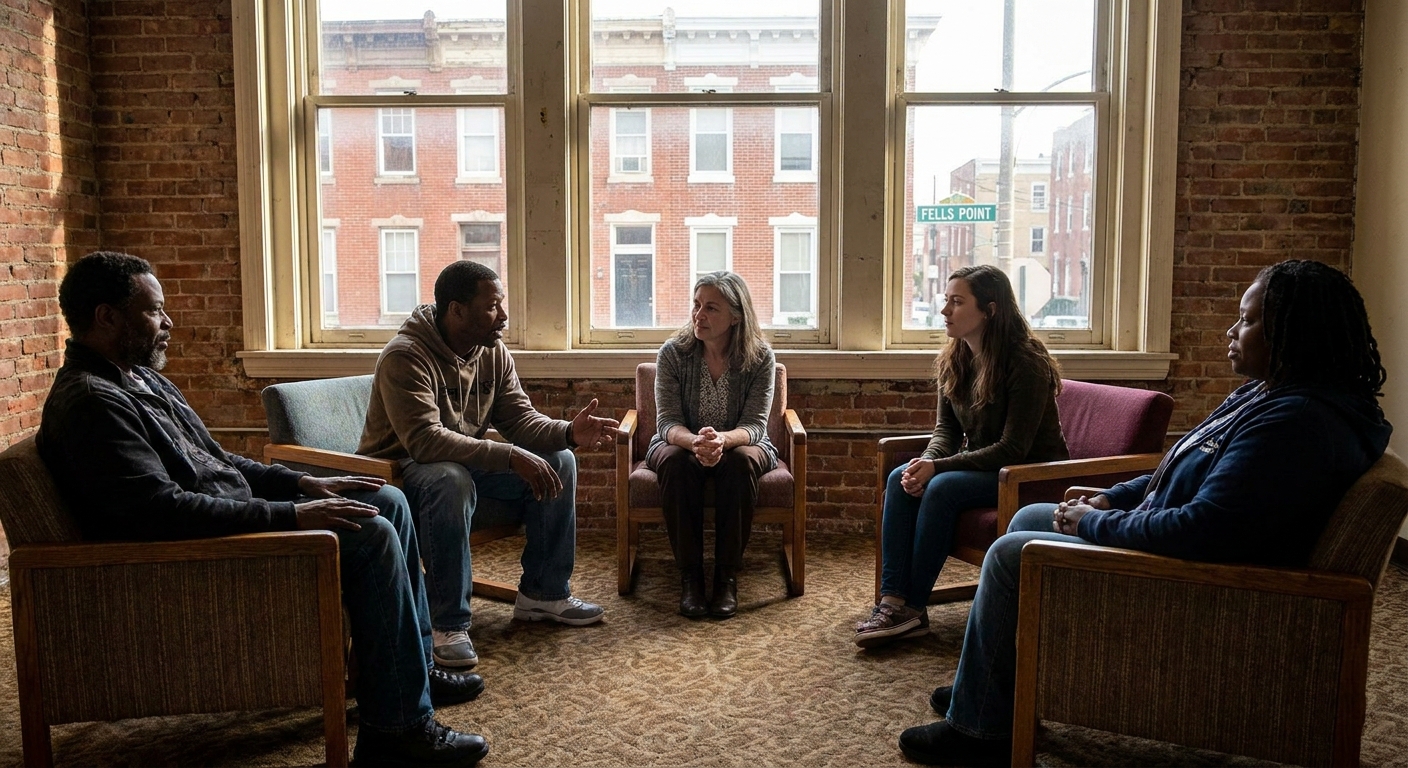

When you’re navigating the path to lasting recovery, community support services for recovery can be the lifeline you need. These integrated services include supportive housing, reentry programs, case management, peer support, and family-focused resources. They aim to stabilize your daily life and help you build a strong foundation for long-term wellness. In fact, over 50.2 million American adults identify as being in recovery from substance use and mental health challenges [1]. Yet, fewer than one in four people who need treatment actually receive it [2]. By exploring the full spectrum of community resources, you can overcome obstacles and unlock the support necessary for lasting change.
Explore supportive housing options
Supportive housing combines safe, stable living with on-site or linked services so you can focus on recovery without worrying about where you’ll sleep or how you’ll pay rent. Common models include:
Transitional housing programs
Transitional housing offers time-limited residences designed to help you move from treatment into independent living. These programs often provide:
- Structured rules around curfews, sobriety checks and household chores
- Access to counseling and group therapy sessions
- Peer mentors who share lived experience
Learn more about structured residential settings in our guide to transitional housing for addiction recovery.
Sober living communities
Sober living homes are alcohol- and drug-free environments where you and fellow residents support one another’s sobriety. Typical features include:
- Voluntary participation in 12-step or alternative support groups
- Rotating house leadership to build accountability
- Flexible length of stay based on your progress
See how living among peers can boost your recovery in our overview of sober living and supportive housing program.
Supportive housing with services
Permanent supportive housing integrates case management, addiction counseling and mental health care alongside your rent-assisted home. You may find specialized programs such as:
- supportive housing with mental health services
- supportive housing with peer support
- supportive housing with life skills training
These options ensure you have direct access to therapy, vocational training and social supports under one roof.
Use reentry support services
If you’re returning from incarceration, reentry programs address the unique challenges you face—housing instability, legal barriers and employment gaps.
Programs for ex offenders
Dedicated reentry initiatives help you navigate parole requirements, secure identification and link with mentors who’ve walked a similar path. Check out our reentry program for ex offenders for tailored support.
Housing stability initiatives
Some programs combine transitional housing with structured case management to prevent homelessness after release. Examples include:
These residences often partner with local behavioral health agencies to coordinate your care.
Job readiness training
Securing steady employment is critical for reentry success. Programs like reentry program with job readiness training and job readiness program for people in recovery offer:
- Resume workshops and interview coaching
- Connections to employers open to hiring individuals in long-term recovery
- Soft skills development in teamwork and time management
Access case management services
Case managers serve as your advocate and guide, helping you coordinate multiple facets of care while smoothing transitions between services.
Role of case managers
A case manager can:
- Assess your needs and develop an individualized care plan
- Coordinate appointments for medical, mental health and addiction treatment
- Monitor progress and adjust services as your recovery evolves
Integrated care coordination
Integrated models bring together medical clinics, housing programs and peer support under one umbrella. For example, case management services for recovery clients work hand in hand with residential housing with case management services to ensure no detail is overlooked.
Family health services
When your recovery involves loved ones, family health services provide counseling, education and support groups. Explore family health services for people in recovery to rebuild trust, improve communication and strengthen your support network.
Benefit from peer support
Peer support brings the power of lived experience into your recovery journey. Engaging with peers can increase motivation, self-efficacy and treatment retention.
Recovery community organizations
Recovery community organizations (RCOs) host sober social events, support groups and workshops. Research shows participation can reduce relapse rates and boost quality of life [3].
Peer mentorship services
One-on-one peer mentorship pairs you with someone who has navigated similar challenges. Mentors offer:
- Coaching on goal setting and coping strategies
- Nonjudgmental listening and encouragement
- Resource navigation to jobs, housing and healthcare
Mutual aid groups
Free mutual aid meetings—such as Alcoholics Anonymous, Narcotics Anonymous or SMART Recovery—provide structured peer support. When combined with professional treatment, these groups offer an added layer of accountability and community.
Integrate family and youth services
Recovery impacts the whole family. Programs designed for families and young people help you and your loved ones heal together.
Family reintegration programs
Reintegration services focus on restoring healthy family dynamics through:
- Joint therapy sessions and parenting classes
- Conflict resolution workshops
- Safe spaces for sharing emotions
Learn more about reconnecting in our program for family reintegration and recovery.
Youth supportive services
For teenagers and young adults, specialized services such as youth and family supportive services program provide:
- Sober peer activities to replace high-risk behaviors
- Academic tutoring and college readiness
- Mentorship from young adults in sustained recovery
Housing for families
If you’re a parent in recovery, housing program for families in recovery can keep you and your children together while you rebuild stability.
Incorporate life stabilization services
Beyond housing and clinical care, life stabilization covers practical skills and supports that improve daily functioning.
Mental health and wellness
Integrated wellness services address co-occurring mental health conditions, offering:
- Individual and group therapy
- Medication-assisted treatment (MAT) oversight
- Mindfulness and stress-reduction workshops
Explore options in supportive housing with addiction services included.
Life skills training
Building confidence in daily tasks is essential. Programs like supportive housing with life skills training teach:
- Budgeting and financial planning
- Cooking, nutrition and meal planning
- Transportation navigation and community engagement
Activity-based recovery
Engaging in physical activity and creative pursuits fosters community and resilience. Examples include:
- Group fitness classes
- Art or music therapy
- Outdoor adventure therapy
Overcome access barriers
Structural and personal obstacles can limit your access to support. Understanding these barriers—and available solutions—helps you connect with the care you deserve.
Financial challenges
Cost remains a major hurdle—only 23.6 percent of those needing treatment receive it. Sliding-scale fees, Medicaid expansions and nonprofit grants can reduce out-of-pocket expenses. Telehealth innovations also lower costs by eliminating travel.
Geographic limitations
Rural areas often lack nearby programs. Mobile clinics, telehealth and peer-run community centers bridge distance gaps. Statewide initiatives aim to expand service availability beyond populous regions.
Insurance and policy solutions
Some insurance plans restrict access to MAT or impose treatment caps. Advocating for policy change, contacting your state Medicaid office and exploring nonprofit funding can open doors. You can also leverage community mental health and housing support for additional resources.
By combining these elements—supportive housing, reentry assistance, case management, peer mentorship, family services and life stabilization—you’ll create a comprehensive network around your recovery. Take the first step today by researching local programs, reaching out to peer mentors and connecting with a case manager. With the right community support services, lasting recovery and a fulfilling life are within your reach.