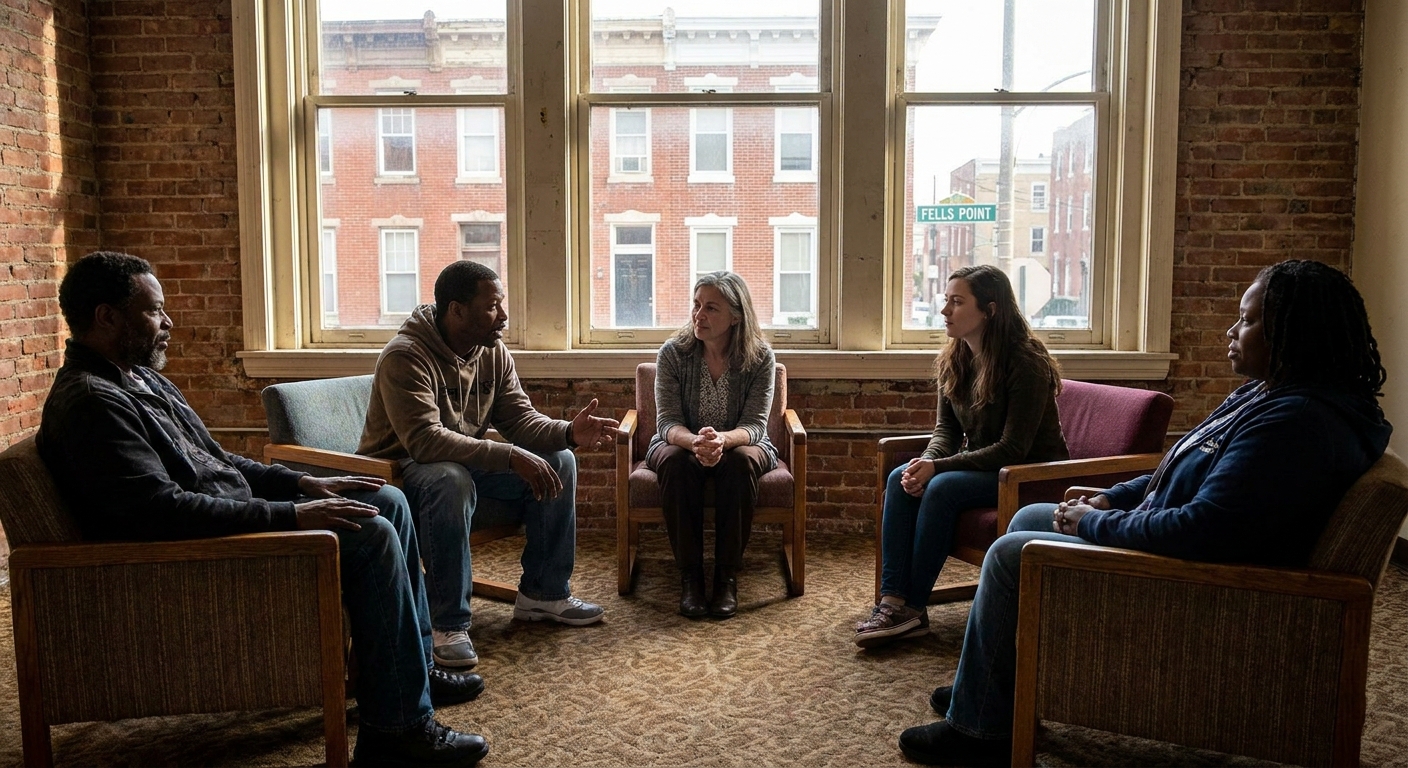

You might be navigating recovery from co-occurring mental health and substance use disorders while seeking a stable place to call home. A supportive housing program for dual diagnosis offers the integrated services and safe environment you need to rebuild your life. In this guide, you will find key features to look for, housing options, support services, reentry resources, and step-by-step advice to help you secure long-term recovery and housing stability.
Defining dual diagnosis
What is dual diagnosis?
Dual diagnosis means that you experience both a mental health disorder and a substance use disorder simultaneously. Managing these co-occurring conditions requires comprehensive care that addresses both the psychological and addiction-related components of your health.
Why integrated care matters
When housing services and treatment programs operate separately, you may face gaps in support. Housing assistance is provided by the US Department of Housing and Urban Development, while treatment oversight falls under the Substance Abuse and Mental Health Services Administration. This division can leave you navigating two disconnected systems, which may increase your risk of relapse and homelessness [1]. A program that integrates housing with mental health and addiction services ensures you receive the coordinated care necessary for lasting recovery.
Exploring housing options
Permanent supportive housing
Permanent supportive housing combines independent living units with on-site support services such as case management, mental health counseling, and medical care. Interdisciplinary teams often deliver assertive community treatment seven days a week, helping you maintain stability. Studies show supportive housing can achieve about an 80% retention rate, challenging the notion that sobriety or treatment must precede housing [2]. At one-year follow-up in a Canadian study, 73% of participants remained in stable housing, reporting significant improvements in quality of life and community functioning.
Transitional housing
Transitional housing for addiction recovery offers a structured environment as you move from inpatient care to independent living. These residences often include peer support, on-site staff, and life skills training, balancing guidance with autonomy as you progress in recovery.
Apartment versus supervised living
Housing preferences can shift during different recovery stages. Research indicates that most individuals prefer their own apartment or house for the privacy and autonomy it provides, while supervised settings offer higher levels of peer support and on-site staff presence [3]. Reflect on how choice and structure will influence your daily routines and overall well-being.
Leveraging case management
Role of case managers
Case managers serve as your primary advocate, coordinating services across housing, health care, and social support systems. A case management services for recovery clients approach ensures you have a single point of contact who understands your unique needs and can streamline referrals.
Coordination with providers
Effective case management involves scheduling appointments, tracking treatment progress, and facilitating communication among psychiatrists, therapists, and peer support specialists. This coordination reduces service gaps and helps you stay focused on your recovery goals.
Accessing stabilization services
Financial and food assistance
Life stabilization services may include enrollment in Supplemental Nutrition Assistance Program and rental voucher programs. These benefits ease financial pressures and allow you to prioritize your treatment and housing needs.
Transportation and everyday essentials
Reliable transportation is vital for attending medical appointments, support groups, and job interviews. Many programs offer transit passes or shuttle services to keep you connected to essential resources.
Welcome home kits
Moving into a new residence can be stressful. Welcome home kits that include kitchen basics, bedding, hygiene products, and cleaning supplies can bring comfort and help you settle in smoothly [4].
Accessing reentry programs
Housing for ex-offenders
If you are returning from incarceration, a reentry program for ex-offenders with supportive housing provides the stability you need to rebuild relationships and pursue recovery without the added risk of homelessness.
Combined housing and counseling
Programs that integrate accommodation with on-site addiction counseling and mental health services help you address all aspects of dual diagnosis in one place. For instance, a sober living and supportive housing program can support your early recovery while you adjust to independent living.
Engaging community supports
Peer support networks
Connecting with peers who share similar experiences fosters mutual accountability and encouragement. Living in supportive housing with peer support ensures you have real-time connections and a sense of community during challenging times.
Family reintegration services
Repairing family relationships can improve your support system and enhance your recovery. Programs like a program for family reintegration and recovery offer therapy and educational workshops to help you and your loved ones rebuild trust and communication.
Employment readiness training
Securing employment is a key step toward independence. A job readiness program for people in recovery can provide resume assistance, interview coaching, and on-the-job skills training while you reside in supportive housing.
Choosing supportive housing
Evaluating housing features
When you compare programs, look for safe, affordable housing in good repair with access to public transportation. Surveys reveal that individuals in recovery value these attributes most when selecting a home [3].
Assessing service integration
The ideal program offers 24-hour access to mental health services, addiction counseling, and case management under one roof. A supportive housing with mental health services model ensures you have seamless care coordination.
Location, cost, and eligibility
Review program fees, eligibility requirements, and potential subsidies. You may qualify for vouchers or grants through housing assistance for people in recovery, which can reduce out-of-pocket expenses and open doors to high-quality housing.
Applying for housing
Checking eligibility criteria
Before you apply, confirm that you meet diagnosis, income, and residency requirements. Each program sets its own standards, so review guidelines carefully.
Preparing documentation
Collect necessary paperwork such as medical records, treatment summaries, income statements, and any legal documents related to your reentry. Having these on hand will streamline your application process.
Connecting with providers
Reach out to program coordinators to discuss your needs, schedule visits, and tour potential residences. Being transparent about your dual diagnosis helps them match you with the right supports.
Following up and appeals
After submitting your application, track its progress and request updates if needed. If you face delays or denials, ask about appeal procedures or alternative programs that align with your needs.
A supportive housing program for dual diagnosis can deliver the stability, integrated care, and community connections necessary for sustainable recovery. By understanding your options, engaging with case management and community supports, and following the application steps outlined here, you can secure a housing environment that promotes healing and growth. If you are ready to take the next step, browse our supportive housing program for recovery page or contact our team for personalized guidance.