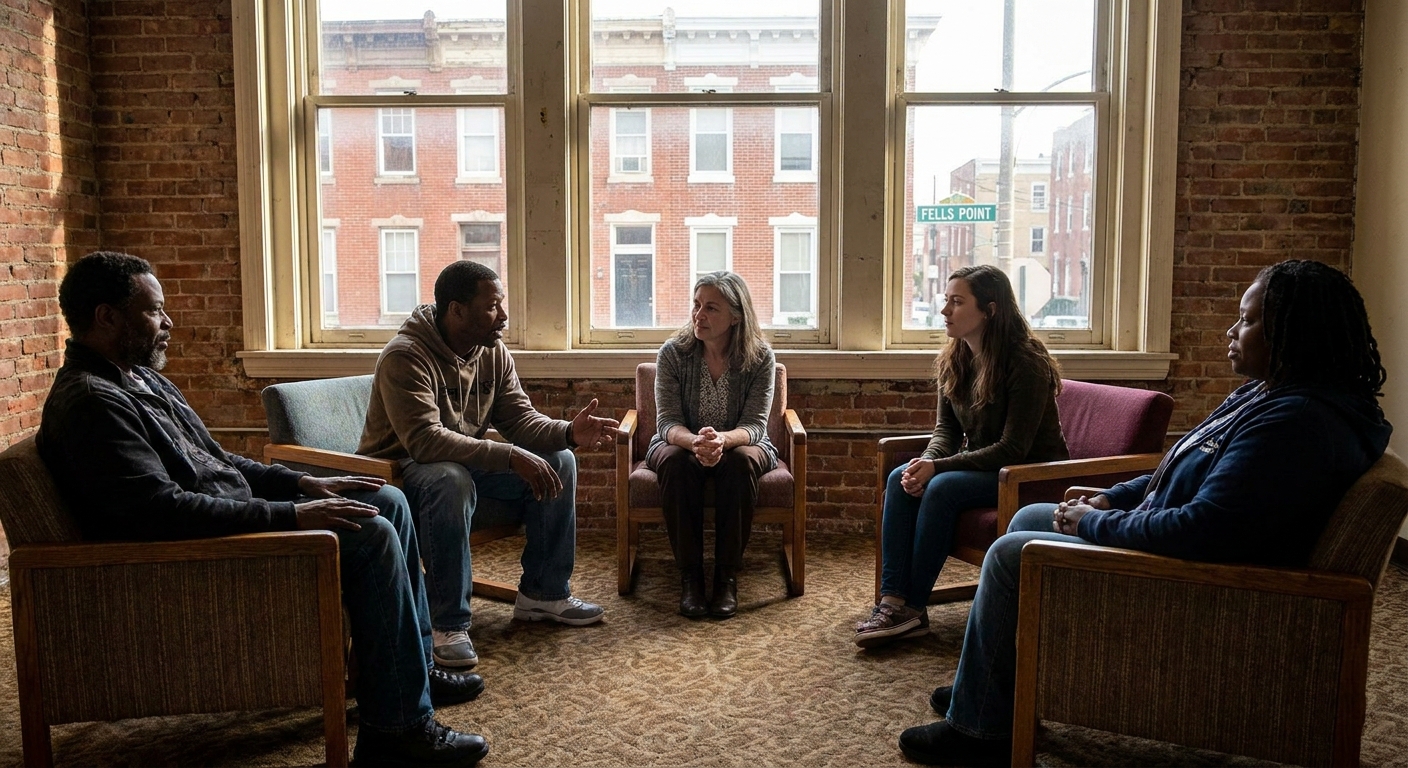

When you’re transitioning from incarceration, securing stable housing is one of the most critical steps toward rebuilding your life. An ex-offender supportive housing and reentry program can bridge the gap between release and long-term success by offering safe accommodations alongside wraparound services. Without reliable housing, you may face challenges such as unemployment, isolation, and stigma that contribute to high recidivism—around 70 percent of people released from prison are rearrested within five years [1]. This guide walks you through the barriers you’ll encounter, the housing options available, and the supportive services designed to help you regain stability, rebuild connections, and stay on track for a lasting fresh start.
Understand reentry barriers
Reentering society often means confronting a web of obstacles that can derail your progress. Recognizing these barriers helps you seek targeted solutions and tap into programs designed for people with criminal records.
Common reentry challenges:
- Difficulty finding affordable housing due to landlord policies, tenant-screening discrimination, or voucher ineligibility
- Limited employment opportunities, with fewer than 40 percent of returning citizens holding stable work in the first four years after release [1]
- Gaps in education or vocational training that undermine job readiness
- Lack of supportive social networks, increasing risk of relapse or recidivism
- Co-occurring mental health or substance use disorders that require ongoing care
Federal and state initiatives such as the Second Chance Act and the Honest Opportunity Probation with Enforcement model aim to address these issues, but program availability varies by location. By enrolling in a reentry program for ex offenders you can access tailored services that confront these barriers head-on. Integrating housing and support services through housing and reentry support services ensures you’re not left to navigate these challenges alone.
Explore housing options
Choosing the right housing environment lays the foundation for your recovery and reintegration. Options range from structured sober living to low-barrier supportive residences. You’ll want to match your needs—whether you require clinical oversight, peer support, or flexible rules—with a setting that fosters stability and growth.
| Housing type | Duration | Key services | Best for |
|---|---|---|---|
| Transitional housing for addiction recovery | 3–12 months | On-site counseling, group therapy, life skills | Individuals in early sobriety |
| Sober living and supportive housing program | 6–18 months | Peer support, house meetings, random drug testing | Those seeking a substance-free community |
| Supportive housing with mental health services | 6–24 months | Case management, therapy, medication oversight | People with co-occurring disorders |
| Residential housing for addiction treatment step down | 1–3 months | Medical supervision, therapy, discharge planning | Clients finishing inpatient detox or rehab |
Many programs allow you to transition between housing tiers as your needs evolve. For example, you might start in a clinical step-down setting before moving into a peer-driven sober living environment. Explore options like supportive housing with mental health services or more specialized tracks such as transitional housing for high acuity clients. If you served in the military, a transitional housing program for veterans may offer tailored assistance including VA benefits navigation.
Engage stabilization services
Stable housing alone is often not enough—you also need access to life-stabilizing supports that address health, financial, and social needs. Engaging these services early reduces the chance of setbacks and helps you build momentum.
Key stabilization services:
- Housing search and navigation assistance that connects you with landlords and voucher programs
- Intensive case management to coordinate care across agencies
- Substance use counseling and relapse prevention groups
- Mental health treatment including therapy and psychiatric care
- Education and vocational assessments
- Financial coaching for budgeting, credit rebuilding, and benefits enrollment
By starting reentry planning before your release—recommended by the Federal Bureau of Prisons—you ensure continuity of care and avoid gaps in support [2]. Local nonprofit partners and probation offices often collaborate on discharge planning to secure an address prior to your release. You can also tap into housing assistance for people in recovery and link with community support services for recovery to shore up critical resources.
Leverage case management
A dedicated case manager serves as your advocate, navigator, and accountability partner. With a manageable caseload—often around 50 clients—case managers can accurately assess your needs and connect you to the right supports [3].
Benefits of personalized case management:
- Coordinated care plans that integrate housing, health, and vocational goals
- Advocacy with landlords, employers, and service providers
- Regular check-ins to monitor progress and address emerging challenges
- Assistance with documentation, benefits applications, and legal referrals
- Crisis intervention and de-escalation support
Look for programs offering case management services for recovery clients or accommodations featuring a supportive housing with case management team. When your case manager knows your history and goals, you can move more swiftly through bureaucratic hurdles and maintain focus on your personal development.
Build essential life skills
Long-term success depends on practical skills that help you navigate daily responsibilities, secure employment, and maintain healthy relationships. Supportive housing programs often integrate life skills training into their curricula.
Core life skills to develop:
- Employment readiness
- Resume building
- Interview practice
- Job search strategies
- Financial management
- Budgeting and saving
- Banking and credit repair
- Benefits and entitlement guidance
- Interpersonal and conflict resolution
- Communication workshops
- Anger management
- Peer mediation
- Family reunification and parenting
- Support groups for parenting skills
- Family therapy sessions
- Wellness routines
- Nutrition education
- Stress management techniques
- Recreational activities
Programs that combine housing with structured training—such as job readiness program for people in recovery or supportive housing with life skills training—can accelerate your progress. If reestablishing family bonds is a priority, explore a program for family reintegration and recovery or youth and family supportive services program.
Achieve community reintegration
Reentry succeeds when you feel connected to a community that encourages your growth. Peer networks, faith-based mentors, and community organizations all play a role in reducing stigma and fostering belonging.
Community integration strategies:
- Join peer support groups or 12-step fellowships
- Participate in mentorship programs (eg, JUMPSTART Prison Ministry, which reports a 96 percent success rate for graduates staying out of prison) [4]
- Engage in vocational training cohorts like the Honest Opportunity Probation with Enforcement model
- Volunteer with organizations such as Root & Rebound or FreeWorld to build new networks and enhance your resume
- Access ongoing counseling through community mental health and housing support or supportive housing with peer support
Programs like community reintegration program after rehab can help you navigate local resources and foster accountability. The more you integrate with positive influences, the stronger your protective factors against relapse and recidivism become.
Plan your next steps
Taking proactive steps now sets the stage for lasting change. Whether you’re a few months from release or newly out of custody, you can begin:
- Mapping out your housing plan with a reentry housing program for individuals post-incarceration
- Applying to a supportive housing program for recovery that aligns with your clinical and social needs
- Scheduling a meeting with a case manager to craft a personalized reintegration roadmap
- Enrolling in transitional living for people leaving rehab if you need short-term stabilization
- Researching long-term options such as supportive housing for long term recovery to ensure continuity as you achieve milestones
By combining supportive housing, targeted services, and community engagement, you give yourself the strongest chance at a successful return. Reach out to local reentry coalitions, nonprofit providers, and justice agencies to explore these resources today—your path to stability and self-sufficiency starts with the housing and support you choose now.