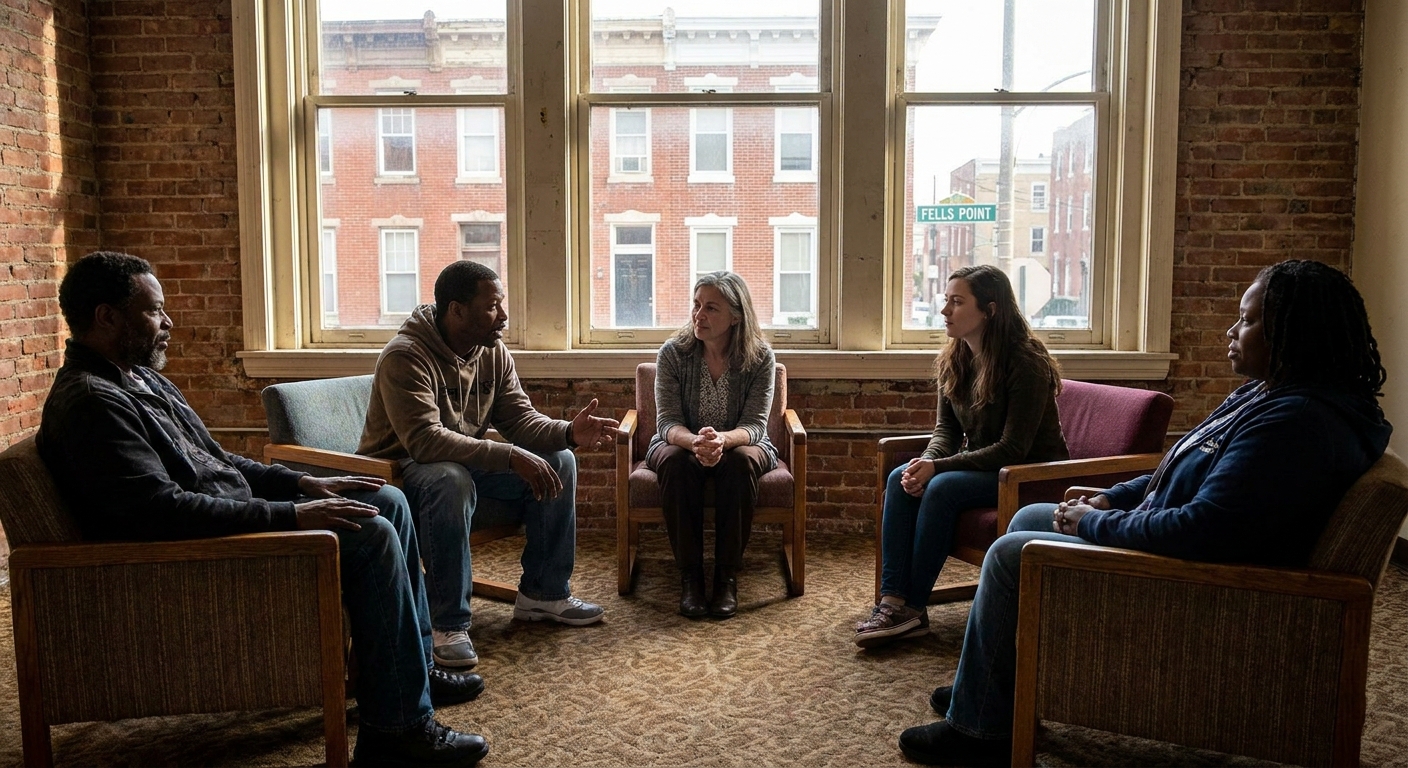

Understand reentry program fundamentals
If you’re exploring a reentry program with job readiness training, you’re taking an important step toward rebuilding your life after incarceration. A reentry program offers comprehensive care designed to help you navigate the challenges of returning to the community. By combining employment preparation, life stabilization services, housing support, and case management, these programs create an environment where you can rebuild confidence, develop new skills, and connect with resources necessary for lasting recovery.
As you begin your journey, it helps to understand the core purpose and components of a reentry program:
- Reduce recidivism and support public safety
- Promote stable housing and community integration
- Provide job readiness training and employment opportunities
- Address mental health, substance use, and other individualized needs
- Offer ongoing case management and peer support
In the United States, nearly three-quarters of people released from prison are rearrested within five years, and about six in ten are reconvicted (Judicature Duke). These statistics underscore the unique challenges you face and highlight why tailored programs matter. When you join a structured reentry program, you gain access to evidence-based services that can increase your likelihood of employment and lower the risk of returning to the justice system.
Discover job readiness training
Job readiness training is the heart of many reentry programs. By equipping you with practical skills and real-world experience, these services empower you to pursue meaningful work and achieve financial stability. Research from 12 randomized controlled trials in the USA found that participants in employment-focused interventions were 2.5 times more likely to work at least one day and worked more days over a 12-month period compared to those without interventions [1]. This data demonstrates how a reentry program with job readiness training can transform your employment outcomes.
Key elements of job readiness training include:
- Career assessment and goal setting
You’ll work with a counselor to identify your strengths, interests, and barriers, then create a realistic employment plan. - Resume writing and interview preparation
Learn how to craft a professional resume, practice common interview questions, and develop strategies for addressing your criminal record with confidence. - Soft skills development
Improve communication, teamwork, time management, and problem-solving skills valued by employers. - Vocational certifications and job shadowing
Gain certifications in high-demand fields or spend time observing on-site roles to understand workplace expectations. - Job placement and supportive supervision
Receive assistance applying for positions, connecting with hiring partners, and accessing wraparound support during your first weeks on the job.
Table: Employment outcomes with and without job readiness interventions
| Outcome | With intervention | Without intervention |
|---|---|---|
| Likelihood of working ≥ 1 day | 2.5 times higher [1] | Baseline |
| Average work days in 12 months | Significantly higher | Significantly lower |
By engaging in these targeted services, you’ll build the confidence and practical abilities employers seek. Many reentry programs also partner with local businesses to offer internships or apprenticeships, giving you on-the-job experience that can lead to permanent positions.
Explore supportive housing options
Stable housing is a cornerstone of successful reentry and recovery. Without a secure place to live, it’s harder to attend training sessions, apply for jobs, or focus on health and wellness. Supportive housing within a reentry program integrates safe accommodations with services tailored to individuals post-incarceration.
Consider the following housing models:
- Transitional housing for addiction recovery
A structured, temporary environment where you can reinforce sobriety and regain life skills before moving to independent living. Explore transitional housing for addiction recovery. - Sober living and supportive housing program
Peer-driven homes that emphasize accountability, group activities, and shared responsibilities to foster community and mutual support. See sober living and supportive housing program. - Reentry housing program for individuals post-incarceration
Specialized residences that combine housing with job readiness and case management to address the specific challenges you face after release. Learn more about reentry housing program for individuals post-incarceration. - Supportive housing with mental health services
Integrated models offering on-site counseling, psychiatric care, and life skills coaching. For details, visit supportive housing with mental health services.
When you secure stable housing through a reentry program, you benefit from:
- A consistent address to use on job applications
- Access to transportation or transit vouchers
- Peer support and accountability
- On-site or nearby case management and counseling
Choosing the right housing option depends on your individual needs, including the level of supervision you require, any co-occurring mental health or substance use disorders, and your long-term housing goals.
Utilize life stabilization services
Life stabilization forms the foundation on which you can build skills and pursue employment. These services address practical challenges that often hinder successful transitions:
- Mental health counseling
Individual and group therapy tailored to trauma, depression, anxiety, or other conditions that affect your well-being. - Substance use support
Medically supervised detox, maintenance therapies, and relapse prevention groups to help you maintain recovery. - Transportation assistance
Bus passes, ride–share vouchers, or shuttle services that ensure you can get to training, work, and appointments. - Financial literacy and benefits navigation
Workshops on budgeting, saving, credit building, and help applying for public benefits or tax credits. - Childcare and family services
On-site childcare during training sessions and referrals to family support programs.
By taking advantage of life stabilization services, you can focus on skill development and employment without constant worry about basic needs. Many reentry programs partner with community agencies to connect you with specialized supports, including health clinics and legal aid.
Engage case management services
Case management is the glue that holds a holistic reentry program together. A dedicated case manager will work with you one-on-one to develop an individualized plan based on the Risk-Needs-Responsivity (RNR) framework. This approach ensures that you receive the right level of support at each stage of your journey.
Your case management plan may include:
- Risk and needs assessment
Identifying criminogenic risks and personal obstacles to prioritize interventions. - Individualized goal setting
Defining short-term and long-term objectives around employment, housing, health, and relationships. - Resource coordination
Linking you to community support services for recovery, education, and skill development. Explore community support services for recovery. - Progress monitoring
Regular check-ins to review achievements, adjust plans, and troubleshoot barriers. - Advocacy and referrals
Assisting with record expungement, securing identification documents, and navigating employer background checks.
Effective case management creates a supportive environment where you feel accountable and empowered. Your case manager can also facilitate group workshops on conflict resolution, communication skills, and relapse prevention.
Review outcomes and evidence
When assessing the impact of reentry programs with job readiness training, it helps to examine key metrics around employment, recidivism, and cost savings.
Employment outcomes
- Participants are 2.5 times more likely to work at least one day post-release and log more work days over 12 months [1].
- Employment rates among formerly incarcerated individuals remain well below the general population without supportive interventions.
Recidivism reduction
- The 2007 Second Chance Act provides federal grants to reduce recidivism and improve post-release livelihoods. Early reentry interventions can cut recidivism rates by up to 20% [2].
- Nearly 68% of state prisoners released in 2005 were rearrested within three years, highlighting the need for robust reentry support (Judicature Duke).
Cost savings
- Incarceration costs around $35,000 per person annually at the state level. Effective reentry programs can yield significant savings by reducing re-incarceration and promoting employment [2].
- Evidence-based policies and individualized plans lead to better outcomes and are more cost-efficient over time.
By reviewing this data, you can see how a structured reentry program not only benefits your personal trajectory but also contributes to broader societal gains in public safety and economic stability.
Take next steps
Deciding to join a reentry program with job readiness training is a proactive move toward a more stable future. Here’s how you can get started:
- Find a program
Research local options that specialize in employment preparation and housing support. You might begin with a reentry program for ex offenders. - Assess eligibility
Contact admissions to discuss your criminal history, treatment needs, and any co-occurring conditions. - Prepare documentation
Gather identification, release papers, educational records, and any medical notes to streamline intake. - Engage in orientation
Attend an introductory session to meet staff, tour facilities, and learn about schedules. - Activate job readiness services
Enroll in a job readiness program for people in recovery to start training on resumes, interviewing, and certifications. - Secure stable housing
Explore reentry housing program for individuals post-incarceration to find accommodations that match your needs. - Maintain progress and follow-up
Participate in a community reintegration program after rehab for ongoing support and peer connection.
By following these steps, you’ll build momentum toward employment, housing stability, and a supportive network that can sustain your long-term recovery and reintegration. Remember that each small achievement—whether updating your resume, attending a counseling session, or celebrating your first paycheck—brings you closer to lasting success.
References
- (NCBI)
- (Bonterra Tech)