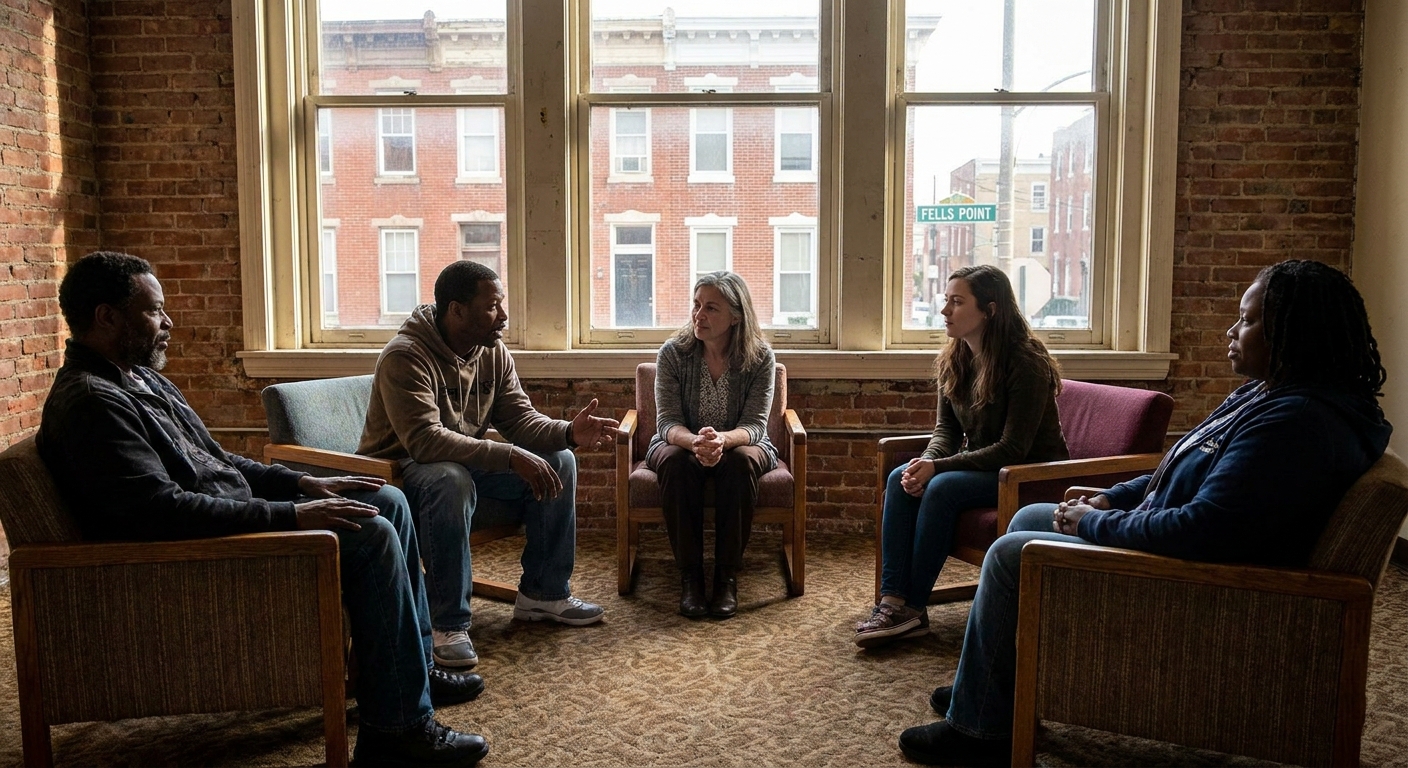

Understanding supportive housing
Accessing housing support for mental health recovery can be a critical step on your journey toward stability and wellbeing. Stable living arrangements do more than roof your head—they reduce hospitalization days, improve psychological wellbeing, and foster autonomy. Research shows that programs offering immediate access to independent housing alongside mental health services cut inpatient days significantly over two years and generate cost savings of up to 48% in healthcare expenses and 93% in residential services [1]. Furthermore, having a safe, affordable place to live counters the harmful cycle of homelessness, shelters, and hospitals that often undermines recovery [2]. Overall, supportive housing lays the foundation for long-term recovery by addressing both your mental health needs and basic living requirements.
Impact of housing instability
- Increased stress and symptom exacerbation: High housing cost burdens can worsen social, emotional, and mental functioning [3].
- Higher emergency care use: Individuals facing eviction are more likely to visit the emergency room or require hospitalization in the two years following eviction.
- Barriers for BIPOC renters: Black, Indigenous, and people of color experience disproportionate eviction rates, further destabilizing recovery efforts.
Housing First approach
The Housing First model prioritizes immediate, independent housing without preconditions, then layers on support services. Compared to traditional “treatment-as-usual” methods, Housing First participants achieved:
- 48% reduction in health care spending
- 93% decrease in standard residential services costs
- Higher scores in psychological wellbeing and autonomy on the Schizophrenia Quality of Life Questionnaire [1]
These outcomes demonstrate that securing safe housing first empowers you to engage more fully with treatment and life goals.
Exploring housing options
Choosing the right living arrangement is about balancing independence, support, and affordability. Below are common pathways to consider.
Independent living arrangements
When you qualify for rental assistance programs such as Section 8 or Section 811 through HUD, you gain access to private market housing with supportive services as needed. Benefits include:
- Full autonomy over your daily routine
- Privacy and personal space
- Access to community resources on your terms
However, you may still face challenges securing a landlord willing to accept SSI or SSDI income, which on average covers just 18% of the median rent [2].
Group and supervised housing
Group setups offer structured environments where staff or peer mentors oversee daily activities and provide on-site support. Options include:
- Supervised group housing for high-acuity clients
- Partially supervised residences with scheduled check-ins
- Transitional housing for addiction recovery that bridges treatment and independent living
These models can help you adjust gradually while benefiting from peer accountability and shared responsibilities.
Specialized housing programs
If you face co-occurring mental health and substance use disorders, look for tailored programs such as:
- Supportive housing for co-occurring disorders
- Supportive housing with addiction services included
- Supportive housing with mental health services
These options integrate clinical care with housing, ensuring coordinated treatment for all your needs.
Utilizing life stabilization services
Stable housing is just one piece of the puzzle. Life stabilization services address practical and emotional barriers that can derail recovery.
Mental health services integration
Embedding mental health clinicians on-site or via regular outreach is key to early intervention and relapse prevention. Your housing program may offer:
- Individual counseling
- Group therapy sessions
- Crisis intervention teams
Peer and community support
Connecting with peers who share lived experience fosters understanding and reduces isolation. Consider programs featuring:
- Supportive housing with peer support
- Community support services for recovery
- Regular peer-led support meetings
Employment and skill training
Securing steady income enhances your self-sufficiency. Look for combined offerings such as:
- Job readiness program for people in recovery
- Supportive housing and employment readiness
These services may include resume workshops, interview coaching, and connections to local employers.
Navigating reentry programs
If you’re transitioning from incarceration, housing and reentry support can reduce recidivism and ease community reintegration.
Housing for ex offenders
Specialized reentry housing programs address legal, financial, and social hurdles. Options include:
- Reentry program for ex offenders
- Reentry housing program for individuals post-incarceration
- Ex-offender supportive housing and reentry program
These initiatives often provide legal aid referrals, mentorship, and coordination with parole or probation officers.
Transitional living after rehab
If you’ve completed residential treatment, transitional settings help you apply recovery skills in less structured environments. Explore:
- Transitional living for people leaving rehab
- Residential housing for addiction treatment step down
- Sober living and supportive housing program
This phased approach builds confidence and prevents abrupt transitions that can lead to relapse.
Accessing case management services
Coordinated care is essential for navigating complex support systems and accessing resources effectively.
Comprehensive care coordination
A dedicated case manager serves as your advocate, linking you to services in housing, healthcare, employment, and legal aid. Key roles include:
- Conducting needs assessments
- Developing individualized service plans
- Monitoring progress and adjusting goals
Many programs feature case management services for recovery clients that meet you where you are and streamline referrals.
Coordinated housing support
Case managers collaborate with housing providers to ensure your living situation aligns with treatment objectives. They may facilitate:
- Applications for HUD vouchers
- Appeals for housing discrimination claims under the Fair Housing Act
- Warm handoffs between shelters and permanent residences
By centralizing communication, they reduce the risk of service gaps that can threaten your stability.
Maintaining long-term stability
Securing housing and support services is only the beginning. Sustained recovery requires proactive planning and ongoing engagement.
Building a transition plan
Work with your care team to map out milestones, such as:
- Securing stable housing with an affordable lease
- Enrolling in life skills and job training programs
- Establishing a regular mental health care schedule
- Creating a crisis response plan
Documenting these steps keeps you focused and accountable.
Monitoring and ongoing support
Regular check-ins with peers, clinicians, and case managers help you identify warning signs early. Consider:
- Weekly support group attendance
- Monthly progress reviews with your case manager
- Quarterly housing stability evaluations
Family and youth services
Your recovery journey may involve loved ones, especially if you’re a parent or guardian. Family-centered services can include:
- Program for family reintegration and recovery
- Youth and family supportive services program
- Family health services for people in recovery
These offerings help you rebuild trust, improve communication, and ensure that all members of your household benefit from a supportive environment.
Conclusion
With the right blend of supportive housing, life stabilization, reentry resources, and case management, you can lay a solid foundation for mental health recovery. Whether you’re seeking independent living, structured group settings, or specialized programs for dual diagnosis, a comprehensive network of services is available to guide you every step of the way. Take proactive steps today: reach out to local providers, apply for housing assistance, and connect with your care team to design a plan tailored to your unique needs. By prioritizing stable housing and coordinated support, you’ll empower yourself to thrive in recovery and achieve lasting wellbeing.
References
- (PMC)
- (NAMI)
- (National League of Cities)