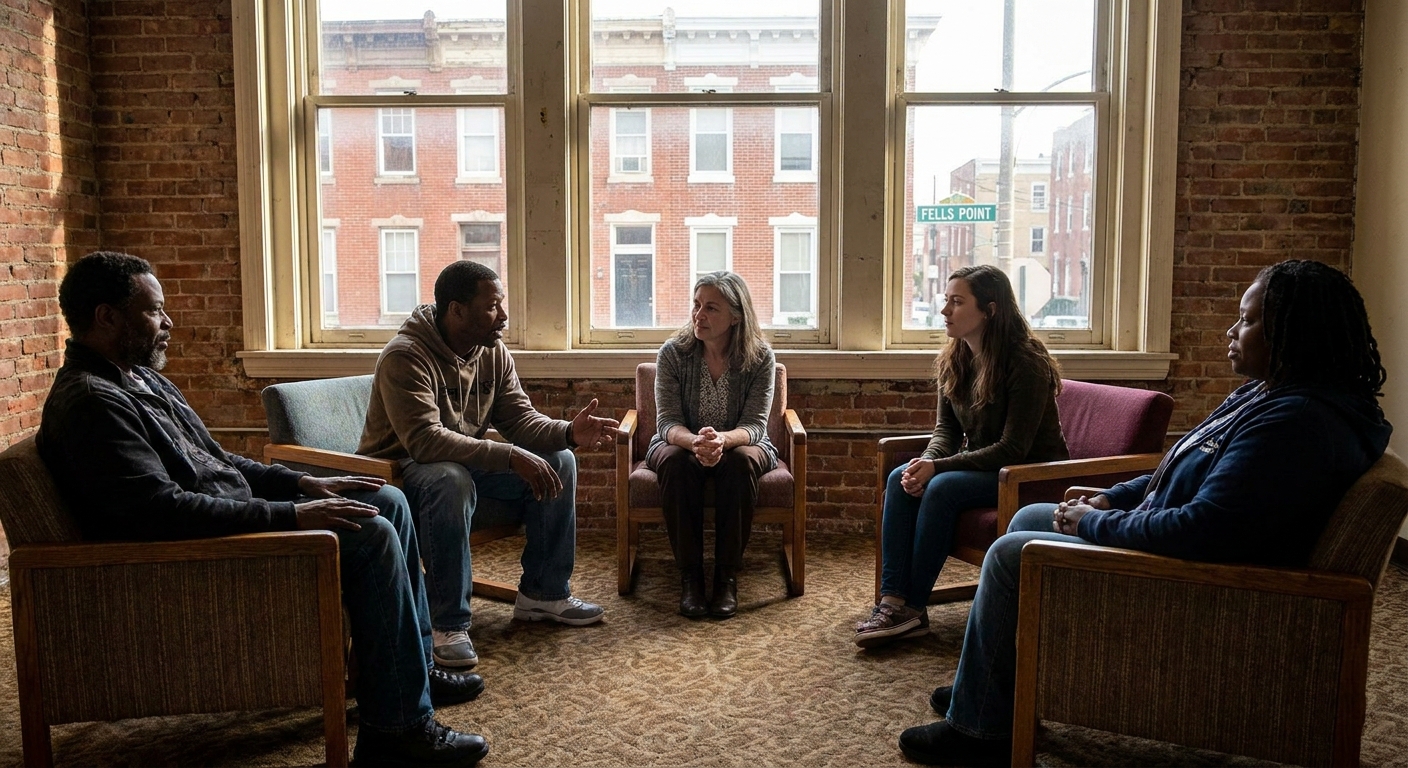

Understanding the program
You may be seeking a path to lasting stability for yourself and your loved ones. The youth and family supportive services program offers comprehensive life stabilization strategies that address behavioral health needs, housing security, and community integration. By combining housing assistance, reentry support and case management, this initiative empowers you to rebuild relationships, secure safe living arrangements and access services necessary for long-term recovery.
Defining key goals
The program aims to
- prevent family separation by addressing basic needs
- reduce youth homelessness and foster care placements
- support individuals reentering the community after incarceration
- strengthen parent and caregiver wellbeing to improve adolescent outcomes
These objectives align with evidence showing that economic and concrete support strategies shorten time to permanency for children and enhance family wellbeing [1].
Target audience and benefits
You might qualify if you are
- a young person or family struggling with housing instability
- completing addiction treatment or exiting incarceration
- caring for an adolescent with behavioral health challenges
As a result of joining this program, you can expect
- stable housing options tailored to your needs
- coordinated mental health and addiction services
- connection to vocational training and educational resources
- ongoing peer and case management support
Overall, the youth and family supportive services program offers a holistic framework that helps you navigate the often complex landscape of recovery and reentry.
Core service components
The program’s foundation rests on four interconnected pillars—life stabilization, behavioral health, employment and education, and family support—each designed to address unique challenges you may face.
Life stabilization services
Life stabilization lays the groundwork for recovery by ensuring you and your family have access to essentials. Services include
- rental assistance or subsidies to prevent eviction
- flexible funding for utilities, transportation and childcare [1]
- connections to food security programs such as SNAP and WIC [2]
- linkages to transitional housing for addiction recovery (/transitional-housing-for-addiction-recovery)
By reducing financial stressors, these supports help you focus on healing and rebuilding.
Mental and behavioral health services
Addressing mental health is critical for both youth and adults. The program offers
- individual and family therapy
- group counseling sessions
- integrated psychiatric care for co-occurring disorders
- supportive housing with mental health services (/supportive-housing-with-mental-health-services)
Approximately 20% of adolescents experience mental health issues that negatively affect family functioning, highlighting the importance of comprehensive care [3].
Employment and education support
Securing meaningful work or education fosters independence and boosts self-esteem. Your program options may include
- a job readiness program for people in recovery (/job-readiness-program-for-people-in-recovery)
- vocational training and apprenticeships
- GED or high school completion assistance
- connections to supportive housing and employment readiness (/supportive-housing-and-employment-readiness)
Additionally, case managers help you navigate applications, résumé development and interview preparation.
Family support services
Strengthening family relationships underpins youth wellbeing. Services may involve
- parent coaching and skills workshops
- peer-led family support groups [4]
- family health services for people in recovery (/family-health-services-for-people-in-recovery)
- multi-level prevention programs targeting high-risk families [3]
These elements work together to improve parent wellbeing and reduce family distress.
Exploring housing options
Securing safe, stable housing is a cornerstone of the supportive services program. Below are three primary housing models you may encounter.
Transitional housing for recovery
Transitional housing bridges the gap between treatment and independent living. Key features include
- structured living environments
- on-site counseling and peer support
- life skills training sessions (/supportive-housing-with-life-skills-training)
- connections to community support services for recovery (/community-support-services-for-recovery)
This model reduces homelessness risk and encourages accountability as you transition back to daily life.
Supportive housing with services
Supportive housing combines long-term residence with wraparound care. You can access
- case management services for recovery clients (/case-management-services-for-recovery-clients)
- addiction counseling integrated into your housing plan (/housing-program-with-addiction-counseling)
- mental health check-ins and medication management
- on-site job readiness and life skills workshops
By co-locating services, this option enhances convenience and continuity of care.
Specialized residences for families
When you participate as a family unit, tailored residences can accommodate children and caregivers together. You may benefit from
- housing program for families in recovery (/housing-program-for-families-in-recovery)
- shared parenting workshops
- child-focused therapeutic support
- connections to local schools and childcare resources
A family-centered environment helps preserve bonds and stabilizes home life.
Housing options comparison
| Housing model | Duration | Key supports |
|---|---|---|
| Transitional housing for recovery | 3–12 months | Structured living, counseling, peer support |
| Supportive housing with services | 12+ months | Case management, addiction counseling, job workshops |
| Specialized residences for families | Varies by need | Family therapy, child support, parenting education |
Selecting the right option depends on your individual circumstances, goals and family composition.
Navigating reentry support
After incarceration, successful reentry into the community hinges on housing, employment and social connections. The youth and family supportive services program offers targeted pathways to ensure you do not face these challenges alone.
Housing for post-incarceration
Safe lodging upon release reduces recidivism and homelessness. You might access
- reentry housing program for individuals post-incarceration (/reentry-housing-program-for-individuals-post-incarceration)
- ex-offender supportive housing and reentry program (/ex-offender-supportive-housing-and-reentry-program)
- sober living and reentry housing program (/sober-living-and-reentry-housing-program)
These environments often include peer mentorship and transitional case management.
Community reintegration programs
Reentry extends beyond housing. You can join
- community reintegration program after rehab (/community-reintegration-program-after-rehab)
- reentry program for ex offenders (/reentry-program-for-ex-offenders)
- reentry program with job readiness training (/reentry-program-with-job-readiness-training)
These programs coordinate legal assistance, employment placement and mentoring to help you rebuild a stable life.
Key reentry resources
- Job placement support and vocational training
- Substance use relapse prevention groups
- Transportation assistance for work and appointments
- Connection to supportive housing for long term recovery (/supportive-housing-for-long-term-recovery)
By leveraging these services, you reduce barriers to employment and social reintegration.
Strengthening family reintegration
Maintaining or restoring family unity is critical for youth success and emotional wellbeing. The supportive services program collaborates with proven family preservation models to keep families together.
Family preservation initiatives
Evidence shows that providing concrete supports keeps children safely at home. For example:
- Indiana FPS served 12,000 families and 24,000 children since 2020, contributing to fewer foster care placements [1]
- Kentucky’s Family Preservation Program achieved a 96% success rate at preventing out-of-home placement and doubled its per-family funding to \$1,000 [1]
- Wisconsin’s TSSF served nearly 4,000 families between 2020–2022 with budget growth from \$2 million to \$11.2 million, correlating with declines in foster care [1]
These outcomes demonstrate the impact of flexible funding strategies and economic supports.
Family health and wellness
Supporting caregiver wellbeing and family relationships reduces adolescent distress. Key elements include
- access to family health services for people in recovery (/family-health-services-for-people-in-recovery)
- parent training on positive discipline and communication
- therapeutic activities that involve both youth and caregivers
- peer-led family support networks
Strong family connections also mirror findings that multiple sources of support—family, school and peer—have a cumulative protective effect against low mental wellbeing [5].
Leveraging case management and peer support
Continuous guidance and lived-experience mentorship are vital for navigating complex systems and maintaining progress.
Role of case managers
Case managers act as your advocate and coordinator. They
- assess your needs and develop individualized plans
- connect you to housing, therapy, education and other services
- monitor progress and adjust supports as your situation evolves
- facilitate communication among service providers
These professionals ensure you do not fall through gaps in care.
Peer support models
Peer partners bring firsthand understanding of recovery and reentry challenges. You can engage with
- youth peer support partners for ages 16–25 [4]
- family peer support specialists who share lived experiences
- group sessions where peers inspire hope and model resilience
Peer support has been shown to improve caregiver mental health and reduce child internalizing problems, particularly for high-risk families [3].
Measuring program outcomes
Evaluating impact helps you understand the program’s effectiveness and informs continuous improvement.
National and state metrics
Key indicators include
- reductions in foster care and youth homelessness
- increased rates of stable housing retention
- employment and educational attainment
- reduced recidivism among program participants
State examples reinforce these gains: Indiana FPS, Kentucky’s preservation initiative and Wisconsin’s TSSF all show strong correlations between funding increases and improved family stability.
Impact on youth wellbeing
Behavioral health outcomes also reveal program success:
- approximately 20% of adolescents have mental health problems, underscoring the need for integrated family supports [3]
- high peer support makes youth over six times less likely to experience low mental wellbeing, on par with family and school supports [5]
These data points affirm that comprehensive services—from housing to peer mentorship—contribute to healthier, more resilient youth and families.
Accessing supportive services
Taking the first step can feel overwhelming, but clear pathways exist to help you enroll and engage.
Eligibility and referral
You or your family may qualify based on
- current or recent history of homelessness or housing instability
- involvement with juvenile or criminal justice systems
- documented mental health or substance use challenges
- risk of family separation due to economic hardship
Referrals can come from child welfare agencies, probation or parole officers, treatment providers and community organizations. Your case manager will guide you through the application process.
Next steps to enroll
- contact your local behavioral health supportive housing services office (/behavioral-health-supportive-housing-services)
- schedule an intake assessment to determine your needs
- complete any required documentation for housing and service eligibility
- attend orientation and meet your case manager and peer support partners
From there, you will receive a personalized service plan that outlines housing placement, therapy schedules, life skills workshops and ongoing support checkpoints.
By engaging with the youth and family supportive services program, you take a proactive step toward stability, healthier relationships and a brighter future. Reach out today to learn how these comprehensive supports can help you and your family begin your road to healing.