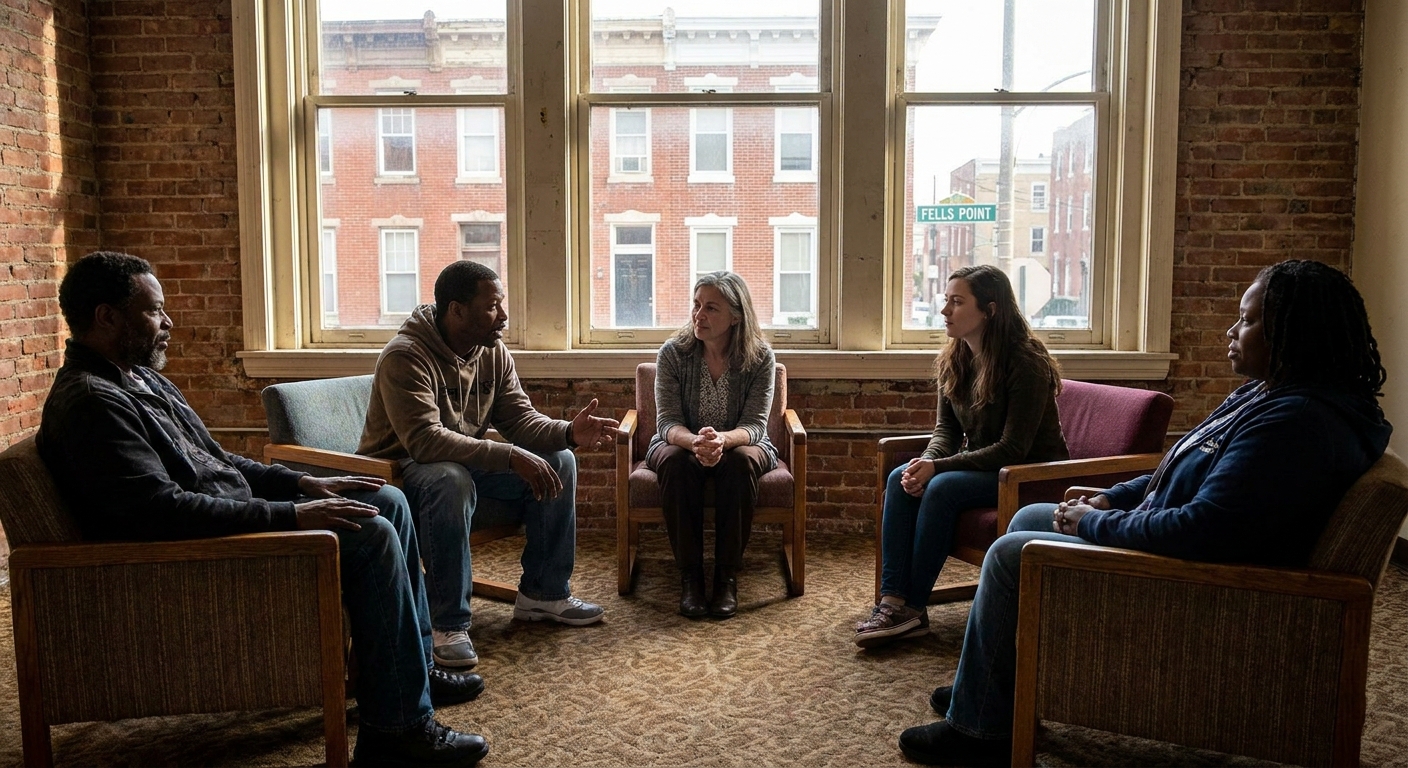

Transitional housing for addiction recovery provides you with a structured, safe bridge between intensive treatment and independent living. In these supportive settings, you gain access to life stabilization services, peer networks, case management, and reentry programs that help you rebuild daily routines and regain confidence. As demand for recovery support rises, the National Helpline recorded 833,598 calls in 2020, a 27 percent increase from 2019, underscoring the growing need for programs that address housing stability and community integration (SAMHSA).
This guide helps you understand how transitional housing works, explores various accommodation options, highlights essential support services and reentry programs, and shows you how to plan for lasting stability.
Understand transitional housing
Definition and purpose
Transitional housing is a step-down program designed to help you move from inpatient or residential treatment into community life. Unlike long-term supportive housing, these programs typically last from a few weeks to several months. You live in a sober, drug-free environment where structured routines, peer accountability, and on-site resources support your recovery journey.
Who benefits most
You may benefit if you’re leaving rehab, stepping down from residential care, or completing a jail or prison sentence. Transitional housing suits people who need:
- A safe, substance-free living environment
- Accountability through regular drug testing and house meetings
- Access to counseling, case management, and life skills training
- Peer support from others in early recovery
Explore housing options
Sober living homes
Sober living homes are peer-driven residences that follow the 12-step model and emphasize shared responsibility. Typically, you:
- Rent a room and pay weekly or monthly fees
- Attend house meetings and 12-step gatherings
- Complete chores and adhere to curfews
- Surround yourself with peers committed to sobriety
You can learn more about available programs in our sober living and supportive housing program.
Recovery housing settings
Recovery housing generally refers to alcohol- and drug-free living environments that offer peer support and education about addiction as a disease. Studies show residents experience:
- Longer periods of abstinence and increased employment gains
- Reduced criminal justice involvement
- Improvements in psychiatric symptoms and social support [1]
Veterans transitional housing
If you’re a veteran, specialized programs offer tailored support, including mental health services, benefits navigation, and camaraderie with fellow service members. Explore our transitional housing program for veterans to find the right fit.
Access support services
Case management services
Case managers help you coordinate medical care, mental health treatment, employment resources, and benefits enrollment. This holistic approach ensures you don’t fall through the cracks as you adjust to independent living. Learn more about case management services for recovery clients.
Life skills training
Building everyday skills—budgeting, meal planning, time management—reinforces your independence and confidence. Programs often include:
- Financial literacy workshops
- Vocational training
- Communication and conflict resolution classes
Check out our supportive housing with life skills training for detailed offerings.
Addiction counseling
Continued therapy keeps you connected to evidence-based approaches like cognitive behavioral therapy, relapse prevention planning, and trauma-informed care. For integrated housing options with on-site counseling, see our housing program with addiction counseling.
Navigate reentry programs
Ex-offender housing support
Returning from incarceration presents unique challenges. Dedicated reentry housing helps you comply with parole requirements, access legal aid, and rebuild family connections. Explore options through our ex-offender supportive housing and reentry program.
Job readiness training
Securing stable employment is a cornerstone of recovery. Programs often include resume workshops, mock interviews, and on-site job fairs. Enhance your prospects with our job readiness program for people in recovery.
Family reintegration services
Repairing relationships and setting healthy boundaries can reduce relapse risk. Family-focused services may offer counseling, parenting classes, and guided visits. Learn more about our program for family reintegration and recovery.
Evaluate program features
Structure and accountability
Look for programs that clearly outline:
- Curfews and visitation policies
- Random drug and alcohol screenings
- Daily household chores
- Mandatory group meetings
Peer support networks
A strong peer community reinforces your commitment. Key elements include:
- Mentorship from alumni residents
- Peer-led support groups
- Social activities sober peers coordinate
Cost and funding options
Transition housing costs vary by location and amenities. Many programs offer:
- Sliding fee scales
- Scholarships and work-exchange arrangements
- Federal and state grants supporting quality recovery housing (Narcotics.com)
| Feature | Sober living homes | Recovery housing |
|---|---|---|
| Philosophy | 12-step, peer driven | Social model, communal decision making |
| Staffing | Residents in recovery | Staff in recovery and professionals |
| Length of stay | Varies by provider | Often 90+ days recommended |
| Funding | Resident fees, sliding scale | Grants, scholarships, private funding |
| Additional services | House meetings | Case management, therapy, life skills |
Plan for long-term stability
Building recovery capital
Recovery capital refers to the resources you accumulate to sustain sobriety—physical, social, human, and cultural. Living in recovery housing helps you:
- Develop coping strategies
- Strengthen social networks
- Gain employment and educational credentials [2]
Community integration
Engaging with local 12-step groups, faith communities, or volunteer opportunities fosters belonging and accountability. Check out our community support services for recovery to connect locally.
Continuing care pathways
Take next steps
You don’t have to navigate recovery housing alone. Start by:
- Assessing your needs—structure, support services, budget
- Reviewing program directories and virtual tours
- Contacting admissions teams to ask about availability, fees, and eligibility
- Securing a referral or financial aid application
For help finding the right living arrangement after rehab, visit our transitional living for people leaving rehab. With the right environment and support, you can build a solid foundation for lasting recovery and reclaim your life.
References
- (PubMed Central)
- (NCBI)