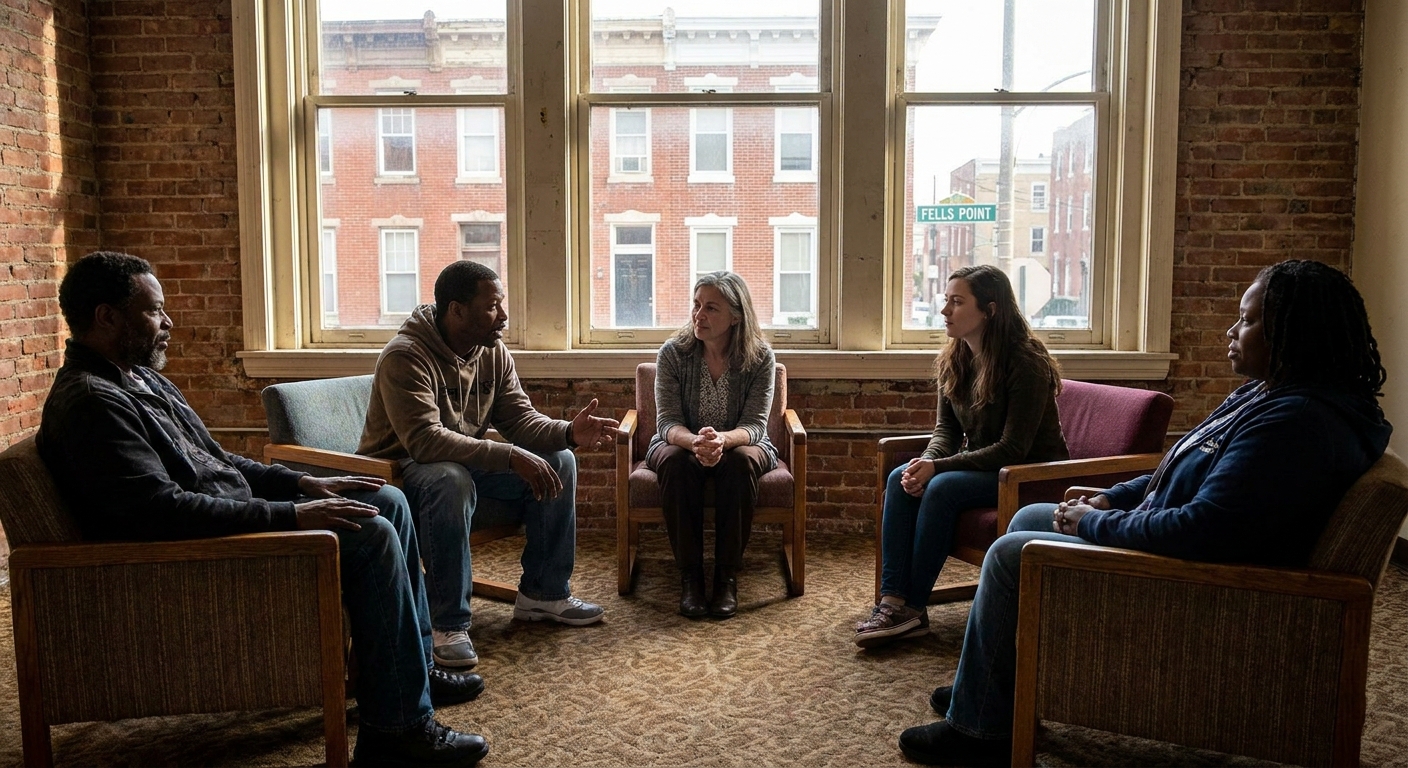

You and your loved one deserve comprehensive support that addresses not only clinical needs but also housing stability, community reintegration, and family connection. If you’re seeking family health services for people in recovery, you’ll find a range of life stabilization offerings—from supportive housing and reentry programs to tailored case management and family counseling—that work together to strengthen your path forward. Understanding how these components interlock can empower you to build lasting recovery and a resilient support network.
Understand family health services
Family health services form the backbone of a holistic recovery strategy. By involving partners, parents, siblings, or close friends, you tap into a stable, nurturing environment where strengths and coping skills are recognized and amplified.
Role of family in recovery
Families often provide the consistent encouragement that helps you stay motivated in treatment. Research shows that family involvement in addiction care increases engagement, reduces dropout rates, and improves long-term outcomes for everyone involved [1]. When loved ones participate:
- You gain accountability and practical help
- Barriers to treatment—transportation, scheduling, finances—are lowered
- Early signs of relapse can be identified and addressed promptly
Types of family support
Caregivers and family members offer three main forms of backing [2]:
- Emotional support: listening without judgment, validating feelings
- Practical support: assisting with daily tasks, attending appointments
- Informational support: researching resources, learning about medication and therapy options
Benefits of family involvement
A stable family environment fosters improved mental health and reduced relapse risk. According to the Pennsylvania Psychiatric Institute, supportive families help transform challenges into milestones of strength and progress [3]. Additionally, engaging loved ones in psychoeducation and therapy:
- Builds a shared understanding of substance use disorders
- Corrects maladaptive family dynamics
- Lowers overall treatment costs by emphasizing family-based approaches over individual therapy [1]
Explore supportive housing options
Stable housing provides a safe, structured environment where you can focus on recovery without the stress of unstable living conditions. Below is a snapshot of common supportive housing models:
| Housing option | Description |
|---|---|
| Transitional housing for addiction recovery | Time-limited residences offering on-site counseling, peer support, and life skills training. |
| Sober living and supportive housing program | Shared homes with sobriety requirements, house meetings, and mentorship from peers in recovery. |
| Housing assistance for people in recovery | Subsidies or vouchers that ease the financial burden while you focus on treatment goals. |
| Supportive housing with mental health services | Integrated mental health care on-site, including therapy, medication management, and crisis intervention. |
| Residential housing for addiction treatment step down | A structured step-down from inpatient care, blending medical oversight with increasing independence. |
Transitional living and sober environments
In transitional housing, you live in a supervised setting with access to community support services for recovery—group meetings, case management, and employment readiness programs. Rules and routines reinforce accountability, helping you establish healthy daily habits.
Programs with mental health support
If you’re managing co-occurring disorders, look for supportive housing with peer support and clinical services. These programs combine behavioral health supportive housing services with counseling to address both addiction and mental health needs in one place.
Step-down residential housing
A residential step-down bridges the gap between inpatient care and independent living. Case management services guide you through relapse prevention planning, while communal living builds camaraderie and shared responsibility.
Navigate reentry programs
After incarceration, you may face unique hurdles securing housing, employment, and community acceptance. Reentry programs designed for ex-offenders offer targeted support:
Housing after incarceration
Specialized options like reentry housing program for individuals post-incarceration or ex-offender supportive housing and reentry program provide safe, drug-free residences with staff who understand the legal and emotional complexities you face.
Job readiness and community reintegration
Securing stable income is key to reducing recidivism. Programs such as reentry program with job readiness training and supportive housing and employment readiness blend vocational coaching, resume workshops, and interview preparation with housing support.
Veteran-specific programs
If you’re a veteran, consider transitional housing program for veterans that pairs housing stability with connections to the VA, mental health counseling, and peer networks of fellow service members.
Leverage case management services
Case managers act as navigators, coordinating care across medical, behavioral, and social domains so you don’t fall through the cracks.
Coordinating care and support
A dedicated case management team assesses your needs, links you to housing and reentry support services, mental health treatment, addiction counseling, and financial assistance. This integrated approach means you spend less time hunting for resources and more time on recovery.
Peer support and counseling
Pairing clinical case management with supportive housing with peer support offers you both professional oversight and relatable guidance from someone who’s walked a similar path.
Accessing community resources
Case managers connect you to:
- Community support services for recovery, including support groups and recreational programs
- Job readiness program for people in recovery
- Youth and family supportive services program if you’re supporting minors through their own recovery journeys
Involve family in recovery
Bringing family members into your treatment plan can strengthen support networks and address relational dynamics that influence substance use.
Family counseling approaches
Evidence-based family therapies include:
- Behavioral Couples Therapy: improves communication, builds positive reinforcement for abstinence [4]
- Multidimensional Family Therapy: combines individual and family sessions to enhance emotional regulation and social skills [4]
Family peer specialists
Connecting with a program for family reintegration and recovery or tapping into family peer support provides:
- Lived-experience guidance on navigating your loved one’s treatment
- Referrals to support groups and educational workshops
- Assistance in accessing community and school resources
Integrating families into services
Invite family members to:
- Attend psychoeducation sessions about substance use and mental health
- Join therapy or support groups designed for caregivers
- Participate in relapse prevention planning
Plan for long-term stability
Sustaining recovery means addressing housing, mental health, employment, and life skills in concert.
Dual diagnosis and long-term housing
If you’re living with a co-occurring disorder, look for supportive housing program for dual diagnosis or supportive housing for co-occurring disorders where integrated treatment is part of daily programming.
Life skills and education
Programs that combine housing with life skills training—such as supportive housing with life skills training and supportive housing program for recovery—teach budgeting, cooking, and time management, setting you up for independent living.
Ongoing community support
Maintaining connections through community mental health and housing support or community support services with counseling ensures you can access help if challenges arise, reducing the risk of relapse or crisis.
Take your next steps
- Assess your needs
Reflect on your current housing situation, family involvement, employment status, and mental health care. Identify gaps where you need more support. - Explore local options
Use the internal links above to research programs in your area. Reach out for intake appointments or guided tours. - Connect with a case manager
A professional navigator can streamline your access to housing, employment services, and family counseling. - Set clear goals
Work with your support team to create a recovery plan with measurable milestones—whether it’s securing stable housing, rebuilding family relationships, or completing job training.
By combining family health services with supportive housing, reentry programs, and comprehensive case management, you can create a foundation for lasting recovery. Your journey is unique, but you do not have to face it alone—help is available every step of the way.