
Understanding reentry housing
Importance of stable housing
When you’re leaving prison, one of the most critical steps toward rebuilding your life is securing stable housing. A reentry housing program for individuals post-incarceration provides the support necessary for lasting recovery, community integration, and access to essential life stabilization services. Without a safe place to live, you face a 35% higher risk of returning to criminal behavior, as housing instability can amplify stress and material hardship (PMC).
Benefits of tailored support
Each person’s journey is unique. By using an individualized plan grounded in the Risk-Needs-Responsivity framework, programs identify your criminogenic needs—such as substance use, education gaps, or mental health concerns—and match you with services accordingly (Bonterra Technologies). As a result, you receive tailored treatment programs that address core behavioral issues from day one, increasing your chances of sustainable recovery.
Key program components
Housing assistance services
Most reentry programs begin by securing short-term accommodations, ranging from transitional living to halfway houses. These arrangements provide immediate shelter while you stabilize, gain employment, or finish detox. Common services include:
- Rental subsidies or vouchers
- Transitional living arrangements
- Help navigating landlord requirements
For more on transitional arrangements, explore our guide to transitional housing for addiction recovery.
Case management support
You won’t navigate reentry alone. A dedicated case manager coordinates housing, healthcare, employment, and education services. Typical case management services include:
- Housing search and navigation
- Benefit enrollment assistance
- Coordination with community providers
By engaging with case management services for recovery clients, you build a roadmap that aligns with your personal goals.
Peer support networks
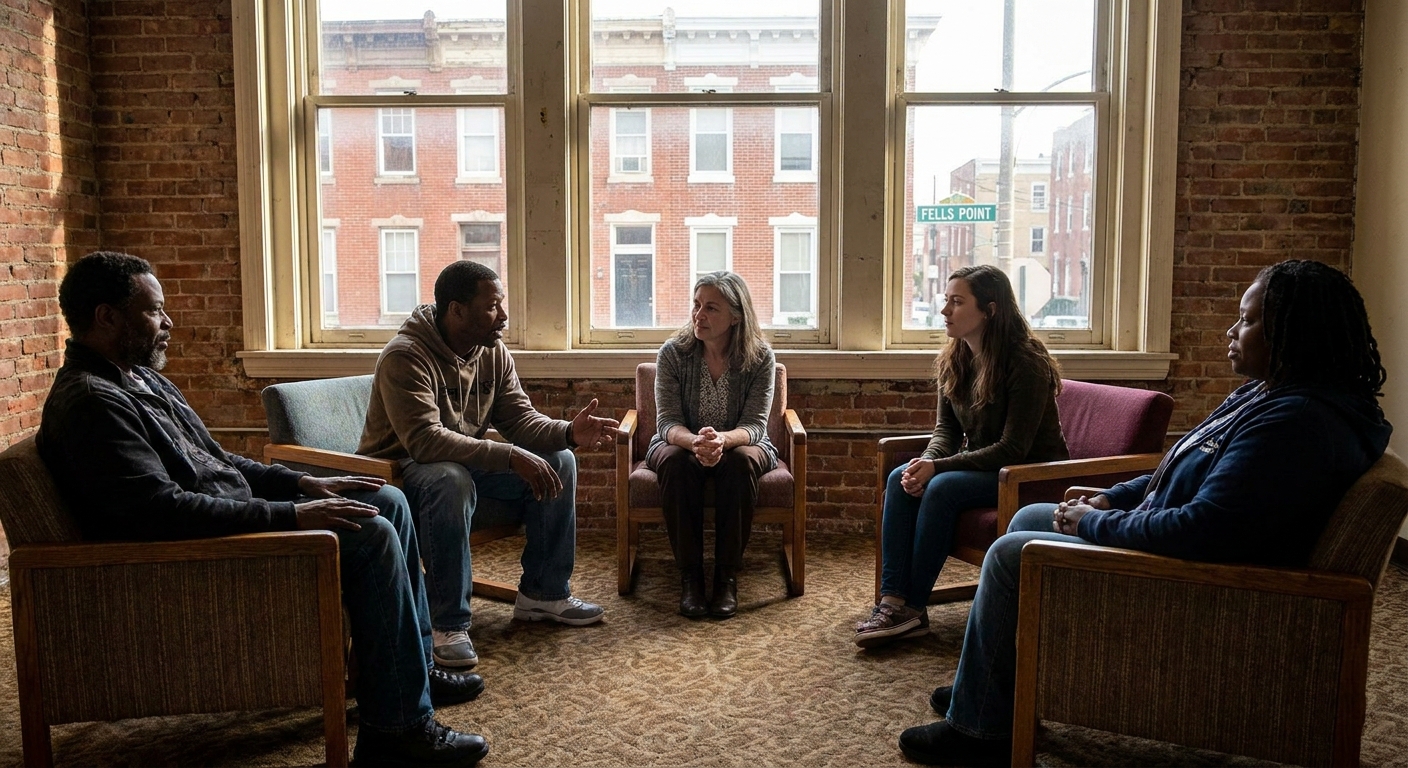
Connecting with individuals who share your experiences fosters trust and accountability. Peer mentors often have lived experience with justice involvement and recovery. Through group meetings or one-on-one mentoring, you can:
- Discuss challenges in a judgment-free setting
- Learn coping strategies for triggers
- Build a supportive community
Peer support is a cornerstone of many supportive housing with peer support programs.
Housing options after release
| Housing type | Description | Typical duration |
|---|---|---|
| Transitional housing | Structured group living with onsite support staff, workshops, and curfews | 3–12 months |
| Supportive housing | Individual or shared apartments with integrated services like counseling or life skills training | 6–24 months |
| Permanent supportive housing | Long-term affordable units coupled with case management and wrap-around services | Indefinite |
Transitional housing
Transitional living programs offer a bridge between incarceration and independent life. You’ll find rules and routines designed to build stability, including regular meetings, chores, and curfews. If you’re a veteran, consider a transitional housing program for veterans tailored to your needs.
Supportive housing
In supportive housing, you live in your own apartment while accessing onsite or mobile services. These programs often include mental health counseling, addiction services, and employment training. A few options you might explore:
- Supportive housing with mental health services
- Supportive housing with addiction services included
- Supportive housing program for dual diagnosis
Permanent supportive housing
For those with chronic health issues or disabilities, permanent supportive housing offers stability without time limits. Landlord partnerships and rental assistance ensure affordability, while ongoing case management helps you maintain tenancy and well-being.
Complementary support services
Behavioral health care
Addressing underlying mental health and substance use challenges is vital for lasting change. Many programs partner with community clinics to provide:
- Individual and group therapy
- Medication management
- Psychiatric evaluations
Learn more about integrated care in our behavioral health supportive housing services overview.
Job readiness training
Financial independence reduces the temptation to reoffend. Through workshops and one-on-one coaching, you can:
- Craft a strong resume
- Practice interview skills
- Connect with local employers
Consider programs like the job readiness program for people in recovery or a reentry program with job readiness training for combined support.
Family and community support
Rebuilding relationships can provide a strong safety net. Family reintegration services may include counseling, parenting classes, and facilitated visits. Community partnerships offer mentoring, faith-based support, and volunteer opportunities. Explore options such as:
- Program for family reintegration and recovery
- Community support services for recovery
- Youth and family supportive services program
How to enroll
Eligibility requirements
Most reentry housing programs set criteria around:
- Release date or parole status
- Income threshold or benefit eligibility
- Behavioral health history
Some initiatives prioritize individuals with high criminogenic needs, while others focus on first-time offenders.
Referral and application
You can be referred by:
- Your parole or probation officer
- A caseworker in the prison system
- A community nonprofit
Applications typically require proof of release date, identification, and a basic needs assessment. A discharge planner or counselor often helps complete forms.
Preparing for transition
Before moving into housing, you should:
- Gather essential documents (ID, release papers, benefit cards)
- Attend pre-entry orientation sessions
- Set personal goals for housing, health, and work
Engaging early with housing and reentry support services ensures a smoother transition.
Measuring program success
Reduced recidivism rates
Evidence shows that participants in structured reentry housing programs experience significantly lower rates of reoffending. Comprehensive care models that begin on day one of incarceration and continue post-release yield the best outcomes (Department of Justice).
Long-term stability
Beyond preventing recidivism, successful programs help you achieve:
- Stable employment
- Improved mental health
- Stronger social networks
Cost analyses indicate that every dollar invested in reentry housing can save up to $5 in reduced incarceration expenses, given the average $35,000 annual cost per inmate (Bonterra Technologies).
Next steps for recovery
Connecting with programs
Start by reaching out to your state or county reentry office. You can also contact local nonprofits or faith-based organizations. If you’re seeking specialized support, consider:
- Ex-offender supportive housing and reentry program
- Residential housing with case management services
Building an individualized plan
Work with your case manager to develop a comprehensive care plan that addresses:
- Housing goals and timelines
- Behavioral health and medical needs
- Employment, education, and life skills
By combining stable housing, tailored support services, and ongoing community connections, you’ll unlock the foundation for a hopeful future. Take the first step today by exploring local reentry housing options and mapping out your path to lasting recovery.