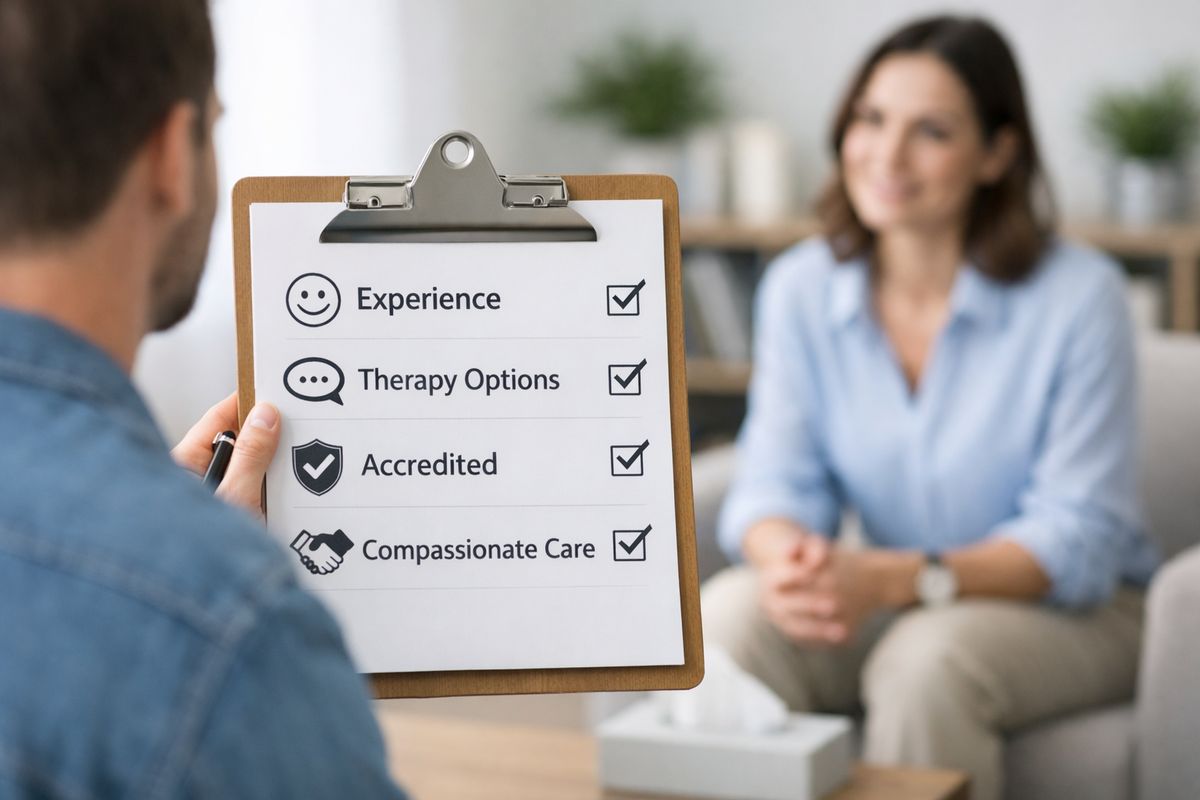

Outpatient drug detox services are designed to help you manage withdrawal symptoms while remaining firmly rooted in your daily life. This flexible approach combines medical oversight with comprehensive care, ensuring you receive professional support in a familiar environment. Whether you’re returning to work, maintaining family routines, or simply prefer recovering close to home, an outpatient model can align with your unique needs and responsibilities.
As you explore your options, you’ll learn how outpatient detox compares to residential programs, discover the role of medication-assisted treatment, and plan for a seamless transition into ongoing care. This guide offers clear, evidence-based insights to help you make informed decisions on your path toward lasting recovery.
Outpatient drug detox services
Outpatient drug detoxification programs provide structured withdrawal management without requiring an overnight stay. You attend scheduled appointments—often at a clinic or hospital—and then return home each day. Key components include:
- Medical evaluation and regular check-ins
- Medication management to ease cravings and withdrawal
- Individual and group counseling sessions
- Psychoeducation on relapse prevention and coping skills
Many programs operate on an intensive outpatient schedule, offering around three hours of treatment per day, three to five days per week [1]. Treatment length can range from three to six months, and in more complex cases may extend beyond a year.
By choosing an outpatient approach, you:
- Maintain work or school commitments
- Stay connected to your support network
- Apply new coping strategies in real time
- Save on residential program costs
Clinicians monitor vital signs during visits, administer medications for symptoms like anxiety or elevated heart rate, and adjust your care plan as needed. This ongoing oversight ensures safety while promoting autonomy and accountability.
Comparing detox program types
Selecting between outpatient and residential detox hinges on your medical needs, social support, and personal responsibilities. Consider this comparison:
| Feature | Outpatient detox programs | Residential detox programs |
|---|---|---|
| Setting | You return home after each session | 24/7 on-site care in a live-in facility |
| Flexibility | Flexible scheduling around work or family | Less flexible, fixed daily routines |
| Medical supervision | Regular clinic visits for monitoring and medication | Continuous oversight by medical staff |
| Peer environment | Group therapy sessions alongside individual counseling | Immersive peer support from fellow residents |
| Cost | Generally lower than residential care | Higher due to room, board, and round-the-clock staffing |
| Ideal candidates | Mild to moderate withdrawal, stable home environment, strong support | Severe withdrawal, co-occurring conditions, limited home support |
Some individuals find value in undergoing treatment away from home, as it can minimize distractions and potential triggers. Others prefer staying in their community to access family support and maintain work responsibilities [2]. Weigh these factors to determine which setting aligns with your goals and unique challenges.
Evaluating outpatient detox benefits
Outpatient detox offers distinct advantages when tailored to your recovery plan. Key benefits include:
- Flexibility and convenience
– Attend sessions around your schedule
– Remain in familiar surroundings with loved ones - Effective withdrawal management
– On-site medication administration
– Monitoring by medical and nursing staff [3] - Comprehensive support services
– Individual therapy focused on triggers and coping skills
– Group counseling fostering peer encouragement [4] - Smooth continuum of care
– Easy transition to intensive outpatient programming or maintenance
– Coordination with sober living homes or community support groups
Intensive outpatient treatment (IOT) can involve nine or more hours of care per week, typically over a 90-day minimum phase. Higher intensity and longer duration often correlate with improved outcomes and lower relapse rates [5].
Furthermore, outpatient models at institutions like Ohio State University Wexner Medical Center offer specialized groups for men, women, working professionals, parents, LGBTQ+ individuals, and those with traumatic brain injury [6]. This tailored approach ensures you receive care that respects your background and unique needs.
Understanding medication-assisted treatment
Medication-assisted treatment (MAT) combines FDA-approved medications with counseling and behavioral therapies to address opioid and alcohol use disorders. Key features include:
- Specialist oversight
– Addiction medicine physicians coordinate care for co-occurring mental health disorders [7]
– Nurses and nurse practitioners provide ongoing support - Evidence-based medications
– Buprenorphine (Suboxone, Sublocade) for opioid dependence
– Naltrexone (Vivitrol) to reduce cravings and block opioid effects
– Acamprosate or disulfiram for alcohol use disorders - Individualized dosing and monitoring
– On-site administration and prescription management [8]
– Regular check-ins to assess progress and side effects
By integrating MAT into your detox plan, you benefit from reduced withdrawal severity and enhanced engagement in therapy. Most programs blend medication with individual and group counseling under a medication assisted treatment program framework.
Exploring suboxone clinic options
Suboxone-based treatment offers a cornerstone for opioid use recovery, easing withdrawal while you build relapse prevention skills. When evaluating suboxone clinics, consider:
- Program structure
– Outpatient suboxone programs with flexible scheduling [9]
– Maintenance versus taper-down protocols [10] - Counseling integration
– Individual therapy addressing triggers and coping strategies [11]
– Group sessions for peer support and shared accountability - Accreditation and staff expertise
– Certified addiction specialists and licensed counselors
– Connection to community resources and support groups
If you prefer a more intensive recovery environment, review our guide to the best suboxone treatment program in your area. For those seeking alternatives, the suboxone clinic for opioid addiction network provides comprehensive outpatient care and referral pathways.
Planning your transition phase
A smooth transition from detox to long-term recovery is vital for maintaining progress. Key steps include:
- Stepping down care levels
- Move from intensive outpatient to standard outpatient once withdrawal stabilizes
- Explore short term detox with outpatient transition for structured tapering
- Building relapse prevention skills
- Participate in cognitive behavioral therapy and psychoeducation
- Engage in peer-led groups or 12-step meetings
- Continuing medication support
- Maintain stable dosing under medical supervision
- Consider long-term options like naltrexone for alcohol or buprenorphine for opioids
- Coordinating aftercare planning
- Develop an individualized continuing care plan
- Link to community resources and sober living homes
- Review long term detox and recovery program options
Research underscores the importance of ongoing community care, particularly for those with chronic psychiatric or medical conditions [5]. By proactively planning your next steps, you reinforce the coping strategies and support necessary for lasting recovery.
Choosing the right support
Selecting a program that aligns with your circumstances and goals enhances your chance of success. Consider these factors:
- Dual diagnosis care
– If you face co-occurring mental health disorders, seek a detox program with dual diagnosis care - Population-specific programs
– Young adults may benefit from a detox program for young adults
– Veterans can access specialized services via a detox program for veterans in recovery - Holistic and peer support
– Integrate yoga, meditation, or art therapy [12]
– Join peer mentoring or alumni groups [13] - Behavioral health integration
– Combine detox with therapy for trauma, depression, or anxiety [14]
Institutions like Columbus Springs offer comprehensive assessments to design a customized plan that addresses both substance use and emotional health [15]. By matching your unique challenges with tailored treatment programs, you set the foundation for sustainable healing.
Conclusion
Outpatient drug detox services provide a flexible, evidence-based solution tailored to your lifestyle and recovery goals. From medically managed withdrawal to medication-assisted treatment and suboxone-based care, you can access comprehensive support while remaining in a familiar environment. As you plan your journey, explore reputable resources such as the best detox center for addiction and specialized opioid detox program options.
Taking the first step may feel daunting, but with the right guidance and supportive environment, you can navigate detox safely and confidently. Reach out to a treatment provider today to discuss your needs and create an individualized plan that puts you on the path toward lasting recovery.
References
- (Addiction Center)
- (Safe Harbor Recovery Center)
- (medically managed detox for substance abuse)
- (outpatient detox and counseling program)
- (NCBI Bookshelf)
- (Ohio State University Wexner Medical Center)
- (American Addiction Centers)
- (detox with medication management support)
- (outpatient suboxone program)
- (suboxone maintenance treatment program)
- (suboxone treatment with counseling)
- (detox with holistic treatment options)
- (detox program with peer support)
- (detox center with behavioral health support)
- (Columbus Springs)