
When you’re evaluating a housing program for families in recovery, you want a supportive environment that addresses both your recovery goals and your family’s needs. The right recovery housing can provide a drug- and alcohol-free living space, peer encouragement and structured routines to help you maintain sobriety. Research shows that individuals in structured sober living are more likely to complete outpatient treatment and stay engaged longer in their recovery journey [1]. As you explore options, focus on programs that offer comprehensive care tailored to families, from parenting support to life skills training.
Below are essential tips to guide you through the process of choosing a housing program that promotes stability, accountability and long-term success for you and your loved ones.
Identify your housing needs
Before comparing programs, clarify what matters most for your family’s well being and recovery.
- Define your family composition
- Number and ages of children
- Special needs or co-occurring disorders
- Determine your recovery stage
- Outpatient step-down or long-term stability
- Need for medical supervision or medication-assisted treatment
- Consider location factors
- Proximity to schools, healthcare and work
- Access to peer support networks
By outlining your circumstances, you can match them against program features. For example, if you need on-site clinical care, look beyond peer-run homes to a residential housing with case management services option. If your children require school-based counseling or youth activities, seek a youth and family supportive services program that integrates those offerings. Clear priorities help you narrow the field and focus on programs designed for families in recovery.
Explore housing program models
Recovery housing comes in multiple formats, each with different levels of support and structure. Understanding these models helps you choose one that aligns with your family’s goals.
| Model | Description | Typical residency |
|---|---|---|
| Level I, II, III sober living | Peer-run or staffed homes with sober living rules and resident-driven length of stay (Ohio Recovery Housing) | Flexible stays, no clinical services |
| Level IV residential treatment | Licensed treatment centers providing on-site clinical services and aftercare planning (Ohio Recovery Housing) | Fixed stays, medical and therapeutic care |
| Transitional housing | Short-term step down from inpatient rehab, focusing on skills for independent living | 30–120 days with structured routines |
| Permanent supportive housing | Long-term affordable housing integrated with case management and life skills training | Indefinite stays with wraparound support |
For families coming out of inpatient care consider options like transitional housing for addiction recovery or a sober living and reentry housing program. If you require a holistic approach that includes mental health support, explore supportive housing with mental health services. Each model balances independence and structure differently, so assess how rules, peer accountability and clinical access fit into your recovery plan.
Evaluate family support services
A strong housing program for families in recovery goes beyond safe housing, offering services that reinforce stability and improve overall well-being.
Key services to look for:
- Case management and care coordination
- Personalized plans, referrals and resource navigation [2]
- Parenting and family reintegration
- Family therapy, parenting classes and visitation support [3]
- Life skills and education
- Cooking, budgeting, resume building and home maintenance [4]
- Addiction counseling and therapy
- Individual, group and family counseling sessions [5]
- Peer support and community activities
- 12-step meetings, sober socials and mentorship [6]
- Youth and child services
- School advocacy, recreational programs and counseling [7]
By comparing service menus, you can identify programs that meet your family’s therapeutic, educational and social needs. A program that integrates these offerings fosters a comprehensive care environment where each family member benefits from targeted support.
Assess funding and costs
Understanding your financial options ensures you choose a program that fits your budget and maximizes available resources.
Common funding sources:
| Source | Coverage | Eligibility |
|---|---|---|
| Medicaid waivers | Room, board and clinical services in some states | Income-based, state specific |
| SUPPORT for Patients and Communities Act | Up to two years of housing assistance (CDBG pilot) | Individuals with substance use disorders |
| Veterans Affairs grants | Transitional housing for qualifying veterans | Honorable discharge and VA enrollment |
| Nonprofit scholarships | Partial subsidies, sliding scale fees | Varies by organization and need |
| Private pay and sliding scale fees | Full program cost with income-adjusted rates | Based on household income |
You may qualify for targeted assistance through federal programs such as the Community Development Block Grant pilot funded by the SUPPORT Act [8]. If you’re a veteran, explore a transitional housing program for veterans. For additional subsidies, check housing assistance for people in recovery. Clear information on fees, deposits and potential hidden costs lets you budget effectively and avoid surprises.
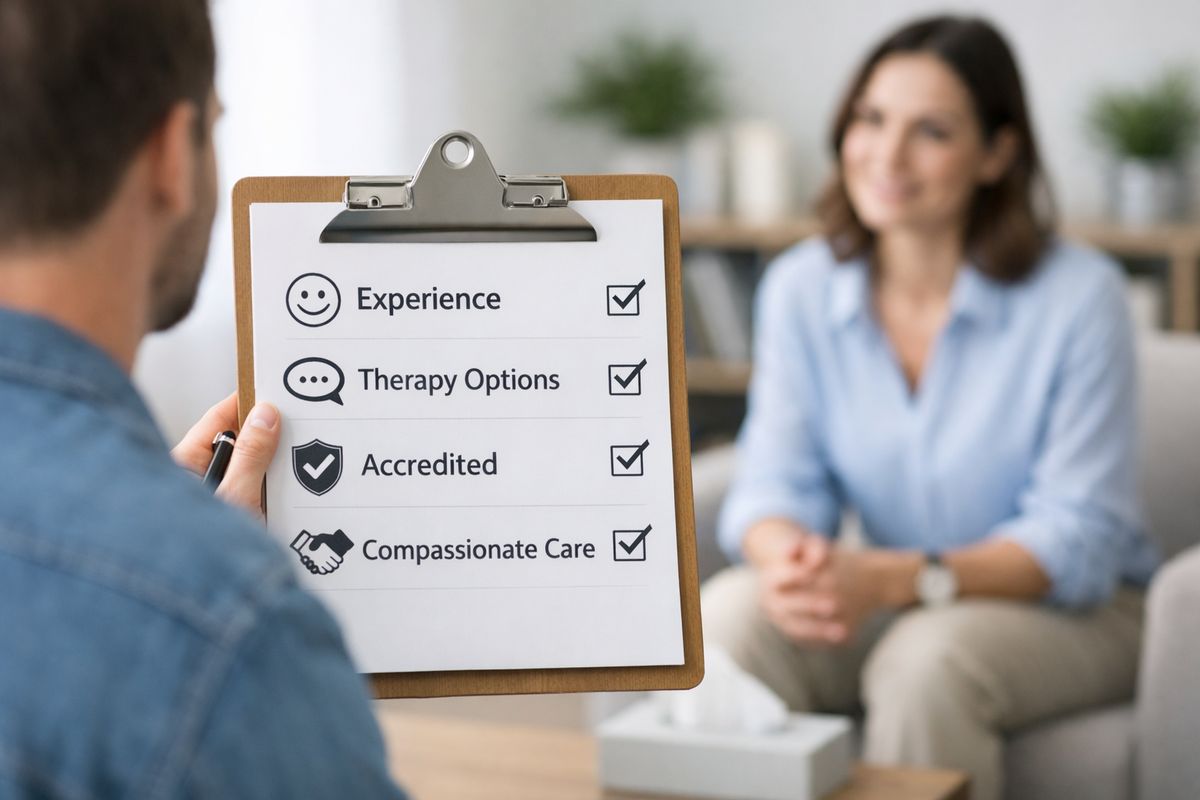
Verify program accreditation
Quality standards and licensing signal that a program adheres to best practices in recovery housing.
Steps to verify credentials:
- Confirm licensing and accreditation
- Check state licensing boards for Level IV or medical facility status (Ohio Recovery Housing)
- Review affiliation with the National Alliance of Recovery Residences for peer-run homes
- Review outcome data
- Ask about success rates, average length of stay and employment or housing stability gains
- Inspect staff qualifications
- Licensed therapists, certified recovery coaches and case managers
- Tour the facility
- Observe safety protocols, cleanliness and communal spaces
- Gauge resident feedback
- Speak with current participants about program culture and expectations
Accredited programs like behavioral health supportive housing services or supportive housing program for dual diagnosis demonstrate commitment to evidence-based care. A transparent provider will welcome your questions and share data like reduced relapse rates and improved social outcomes.
Plan for long term recovery
A sustainable recovery journey extends beyond your initial housing placement. Look for programs that emphasize aftercare and community integration.
Key aftercare components:
- Personalized transition plans
- Continued therapy, support group referrals and relapse prevention strategies
- Community reintegration
- Connections to community support services for recovery and community mental health and housing support
- Employment and education readiness
- Job readiness program for people in recovery and resume workshops
- Reentry support for justice-involved families
- Reentry program for ex offenders and reentry housing program for individuals post-incarceration
- Long-term supportive housing
- Options for stable, independent living through supportive housing for long term recovery
By prioritizing programs with robust aftercare planning, you reduce the risk of relapse and ensure your family stays connected to vital resources. Mile High Recovery Center research underscores that holistic approaches, combined with peer support and ongoing case management, improve retention and promote lasting success [9].
Choosing the right housing program for families in recovery involves balancing structure, services and cost with your family’s unique goals. By identifying needs, exploring models, evaluating support services, assessing funding, verifying credentials and planning for aftercare, you set yourself up for stability and long-term growth. Take the next step by reaching out to providers, scheduling tours and gathering detailed information. Your proactive approach today lays the foundation for a healthier, more resilient tomorrow.
References
- (NCBI)
- (case management services for recovery clients)
- (program for family reintegration and recovery)
- (supportive housing with life skills training)
- (housing program with addiction counseling)
- (supportive housing with peer support)
- (family health services for people in recovery)
- (LEORABH)
- (Mile High Recovery Center)