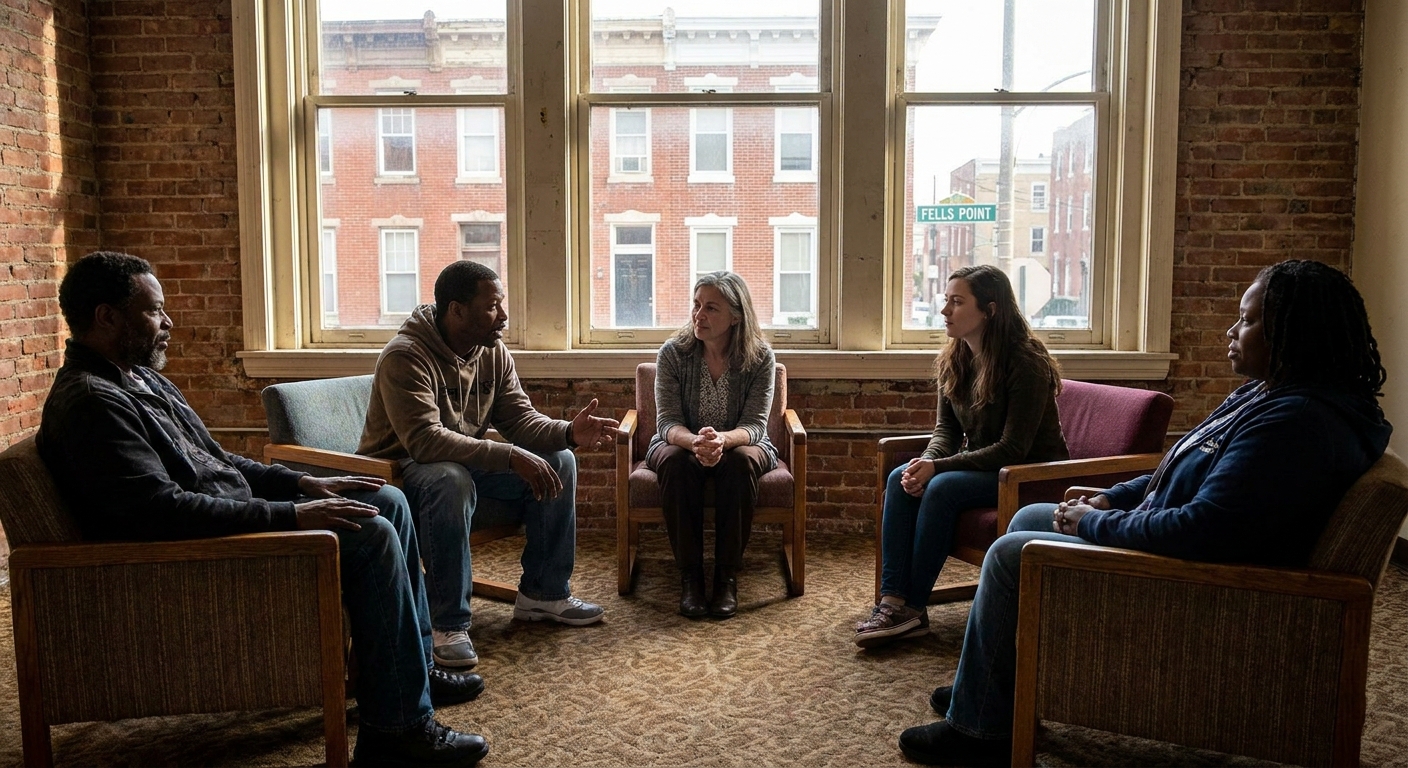

When you’re seeking stability on your recovery journey, community mental health and housing support can make all the difference. By combining safe, reliable housing with comprehensive care services, you gain a supportive environment designed to address both your mental health needs and the social factors that influence them. Whether you’re transitioning from treatment, reentering society after incarceration, or managing co-occurring disorders, coordinated housing and behavioral health resources help you build a foundation for lasting change.
Understanding housing stability
Linking housing and mental health
Stable housing is more than just a roof over your head—it’s a critical social determinant of health that influences emotional, psychological, and physical well-being. When you have reliable housing, you can focus on treatment goals rather than daily survival. Unfortunately, mental health systems remain under-resourced: globally, only 29 percent of people with psychosis and about one third of those with depression receive formal care [1]. Without a supportive home environment, you may struggle to access therapy, maintain medication schedules, or attend appointments consistently.
Impact of housing instability
Housing instability can exacerbate symptoms of anxiety, depression, and other mental health conditions. Eviction, for example, is linked to a marked increase in psychiatric hospitalization during the two years that follow an involuntary move [2]. When you face the threat of losing your home, the resulting stress can derail recovery plans and heighten the risk of relapse. In addition, lack of affordable options disproportionately affects marginalized communities, intensifying disparities in both housing access and mental health care.
Exploring supportive housing
Housing first approach
The Housing First model prioritizes rapid placement into permanent housing without prerequisites such as sobriety or treatment compliance. By removing barriers, you gain immediate stability and can more effectively engage with supportive services.
| Feature | Description | Benefits |
|---|---|---|
| No preconditions | Housing is offered before treatment requirements | Reduces time spent in homelessness |
| Ongoing support services | Access to counseling, case management, peer support | Improves retention, lowers hospitalization rates |
| Cost effectiveness | Demonstrated savings in health and justice systems | Frees resources for additional programs |
Key principles
- Immediate access to housing, no sobriety mandates
- Voluntary, person-centered services
- Separation of housing and treatment decisions
Measured outcomes
- Participants experience higher housing retention
- Reductions in emergency service use and inpatient care
- Enhanced engagement with mental health providers
Transitional housing options
If you need a step-down from inpatient treatment, transitional settings provide time-limited support as you adjust to independent living. Programs like transitional housing for addiction recovery and transitional living for people leaving rehab offer structured environments where you can develop life skills, establish routines, and connect with peers in recovery. These residences often include life skills training, group therapy, and vocational support to guide you toward permanent housing and long-term stability.
Leveraging community services
Role of case management
Effective case management ties together all facets of your recovery plan, from mental health treatment to housing access and employment support. A dedicated case manager helps you navigate complex systems, coordinate appointments, and advocate for resources. You can explore case management services for recovery clients to see how tailored support leads to steadier progress.
Core tasks
- Conducting comprehensive needs assessments
- Developing individualized care plans
- Facilitating connections with housing providers, health clinics, and benefits offices
- Monitoring progress and adjusting services as needed
Client benefits
- Clear roadmap for your recovery goals
- Reduced paperwork and system navigation burden
- Consistent accountability and encouragement
Peer support networks
Connecting with peers who’ve walked a similar path fosters a sense of belonging and mutual encouragement. Supportive housing programs that incorporate supportive housing with peer support embed mentors or resident advisors who model healthy coping strategies and guide house meetings or skill-building workshops. Peer-led groups can help you stay motivated, share practical tips for independent living, and celebrate milestones together.
Family and youth services
Recovery often extends beyond the individual to their families and younger household members. Programs such as family health services for people in recovery and youth and family supportive services program address relational dynamics, parenting skills, and intergenerational trauma. By involving your loved ones in educational workshops and therapy sessions, you strengthen support networks that reinforce long-term stability.
Implementing reentry programs
Reentry housing pathways
If you’re returning home after incarceration, specialized reentry housing can bridge the gap between release and community integration. Through initiatives like reentry program for ex offenders and ex-offender supportive housing and reentry program, you gain access to safe residences, mentoring, and structured routines. Stable housing reduces the risk of recidivism and supports mental health by providing predictable daily living conditions.
Job readiness training
Securing employment is a cornerstone of financial independence and self-worth. Tailored vocational services, such as job readiness program for people in recovery, offer resume workshops, interview coaching, and connections to employers willing to hire individuals with criminal records. These programs boost your confidence and help you rebuild a productive routine.
Integrated counseling services
Reentry housing often includes on-site or referral-based counseling to address trauma, substance use, and mental health concerns. A holistic approach might combine individual therapy, group sessions, and family counseling under initiatives like housing program with addiction counseling. This integration ensures you don’t have to choose between stable housing and essential treatment.
Building holistic care
Coordinating mental health services
To harness the full potential of community mental health and housing support, your housing provider, mental health clinicians, and case managers must collaborate seamlessly. Supportive living environments often feature embedded clinicians or formal partnerships with outpatient clinics. You can learn more about integrated models by exploring supportive housing with mental health services and community support services for recovery.
Tailored life stabilization
Life stabilization services go beyond shelter and therapy to encompass benefits enrollment, transportation assistance, and life skills coaching. Your individualized plan may include:
- Assistance accessing housing assistance for people in recovery
- Budgeting and financial literacy workshops
- Transportation vouchers for medical and employment appointments
By addressing social determinants holistically, you reduce the risk factors that can undermine recovery and increase your chances for enduring success.
Cross-sector collaboration
Ending homelessness and promoting mental health requires partnerships among governments, housing authorities, health systems, and nonprofits. Successful models leverage multiple funding streams and share data to streamline access. The National Academy for State Health Policy outlines how state leaders enhance comprehensive services through coordinated strategies [3]. When these systems align, you benefit from a continuum of care that meets your evolving needs.
Accessing local resources
Federal housing initiatives
Several federal programs can help you secure and maintain housing:
- Emergency Rental Assistance (ERA) under the American Rescue Plan Act
- PATH (Projects for Assistance in Transition from Homelessness), funded by SAMHSA to support people with serious mental illnesses [4]
- HUD’s Homeless Assistance Grants that follow the housing first model
Check eligibility requirements and apply through your local housing authority or partnering nonprofit.
Community-based organizations
Local nonprofits, faith-based groups, and advocacy organizations often fill gaps in services. You can find tailored assistance through behavioral health supportive housing services or drop-in resource centers that offer case management, peer support groups, and referrals. These community anchors play a vital role in sustaining progress and connecting you with opportunities for growth.
Planning next steps
Developing your plan
Begin by assessing your needs and priorities:
- Identify immediate housing requirements—permanent versus transitional
- List mental health and substance use supports you need
- Note additional life stabilization services (employment, education, transportation)
Use this inventory to discuss tailored options with a case manager or housing specialist.
Connecting with providers
Once you have a clear roadmap, reach out to programs that match your criteria. Verify licensing or accreditation, ask about waiting lists, and confirm the range of services they offer. You might explore transitional housing program with therapy support or supportive housing for co-occurring disorders depending on your clinical profile.
Sustaining your progress
Stable recovery and housing require ongoing engagement. Stay connected with your peer network, continue attending therapy sessions, and communicate regularly with your case manager. When life transitions arise—job changes, family shifts, or health challenges—lean on community reintegration program after rehab or consider supportive housing for long term recovery to maintain momentum.
By combining stable housing with integrated mental health supports, you set the stage for meaningful growth, resilience, and a brighter future. Community mental health and housing support form the bedrock of a life defined not by instability, but by purpose, connection, and well-being.