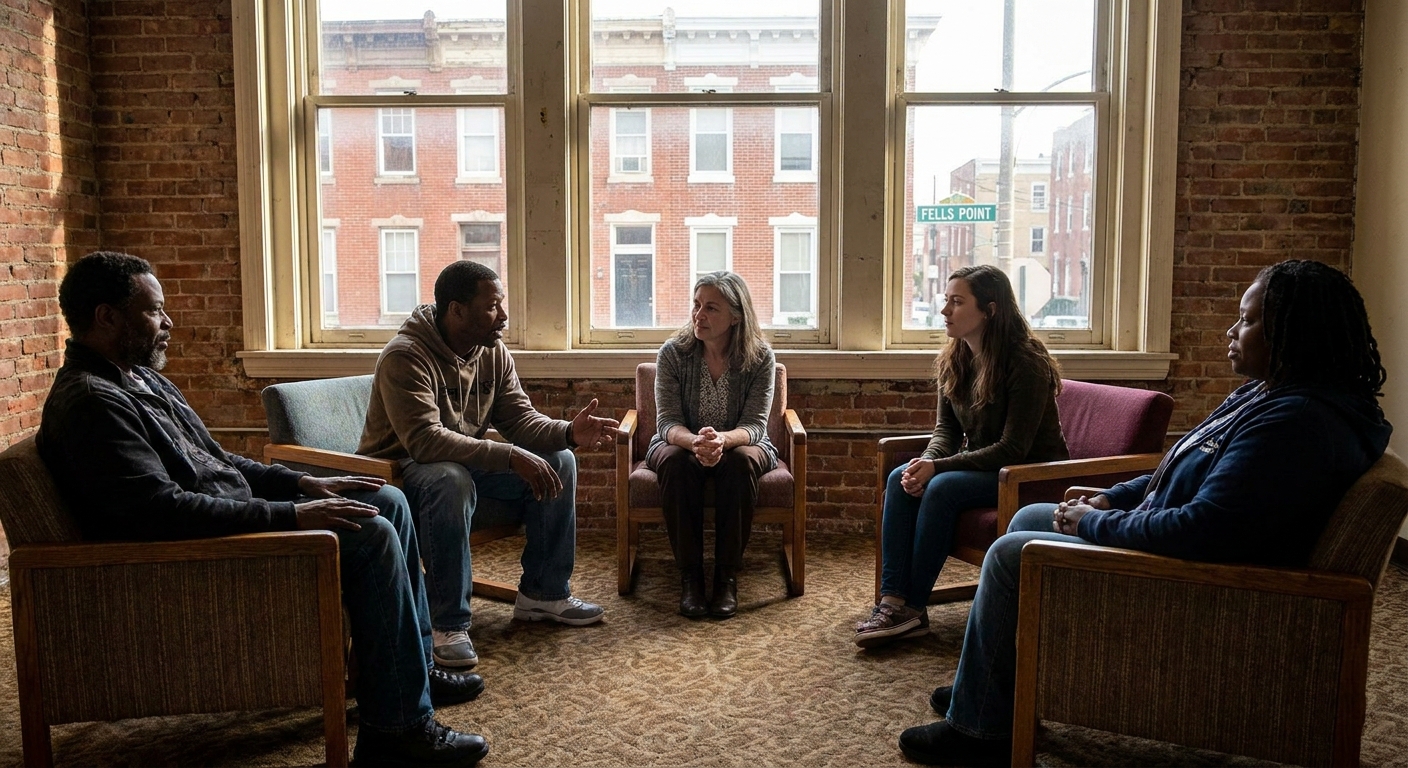

Understanding supportive housing
Supportive housing for long term recovery provides you with more than just a place to live. It combines permanent, affordable housing with on-going support services tailored to your needs, helping you maintain stability and focus on recovery. Unlike shelters or short-term programs, supportive housing removes the pressure of deadlines, so you can concentrate on health, employment and community connection.
Definition and core components
Supportive housing programs integrate safe living spaces with voluntary services aimed at improving your physical, mental and social well-being. Core components include:
- Affordable, independent housing units with no fixed time limit
- Regular contact with a case management team
- Access to healthcare and behavioral health support
- Connections to peer support networks and community resources
By offering both a stable home and wraparound services, these programs address the complex challenges that can threaten long-term recovery.
Key features and services
Each supportive housing model tailors services to your individual goals. You may engage in:
- One-on-one meetings with a case management services for recovery clients coordinator
- Group counseling sessions under a supportive housing program for dual diagnosis
- Life skills workshops and job readiness program for people in recovery
- Peer mentoring through a supportive housing with peer support initiative
These personalized offerings ensure you build the foundation for lasting health and independence.
Comparing housing options
When exploring living arrangements during your recovery, it helps to understand how supportive housing differs from other models.
Transitional vs supportive housing
Transitional housing for addiction recovery typically offers temporary shelter—ranging from months to a couple of years—along with programs teaching life skills and job development [1]. By contrast, permanent supportive housing removes time limits and pairs affordable units with intensive case management and health services.
Recovery residences and sober living
Recovery residences, or sober living homes, create substance-free environments focused on peer support. Studies show that living in structured sober environments boosts successful discharge rates and extends participation in outpatient treatment [2]. To explore programs that blend sober living with ongoing support, see our sober living and supportive housing program.
Benefits for long term recovery
Choosing supportive housing offers measurable advantages in stability, health outcomes and community integration.
Housing stability and health outcomes
Permanent supportive housing reduces the risk of returning to homelessness or crisis services. In a French Housing First study, participants experienced 116 more stable housing days over two years compared to typical treatment groups [3]. You gain uninterrupted access to care, which can decrease inpatient visits and improve overall well-being.
Community integration and support
By embedding you within a supportive network, these programs enhance social capital and reduce isolation. Participation in group activities, peer mentoring and local events fosters a sense of belonging, accountability and mutual encouragement.
Cost-effectiveness and public savings
Supportive housing not only benefits you—it also yields significant public cost savings. Research indicates:
| City | Savings per unit/person | Source |
|---|---|---|
| New York City | $16,282 per unit/year | CSH |
| Portland | $24,876 per person/year | CSH |
Overall, these savings often match or exceed the cost of providing housing and services, reducing reliance on shelters, hospitals and jails.
Building recovery capital
Supportive housing helps you accrue the resources—known as recovery capital—that sustain long-term success.
Financial and social capital gains
Stable housing can free up income for savings and employment pursuit. Access to peer networks and community programs strengthens your social connections, creating supportive relationships that endure beyond your residence.
Extended support beyond housing
Services like education assistance, vocational training and counseling expand your human and cultural capital. These offerings equip you with the skills, confidence and networks needed to reintegrate into work, family and community life.
Accessing supportive housing
Navigating the path to supportive housing involves understanding eligibility and completing applications.
Eligibility and referral pathways
Programs typically serve individuals facing barriers such as chronic homelessness, mental health challenges, substance use disorders or past incarceration. You may qualify through:
- Referrals from shelters or treatment facilities
- Recommendations by social or health service agencies
- Self-referral based on program intake criteria
For details on substance-focused support, review our housing program with addiction counseling.
Application and assessment process
Once referred, you will complete an assessment covering housing history, health needs and personal goals. A case manager outlines available units and services, helps you gather documentation and supports you through lease signing and move-in.
Integrating case management services
Ongoing case management ensures you make progress toward your recovery milestones.
Role of case management
Your case manager serves as a navigator, advocate and coordinator. They help you:
- Set achievable recovery and housing goals
- Access medical and mental health care
- Connect with employment and education resources
- Resolve housing or benefit-related issues
Core supportive services
Healthcare and mental health support
You receive on-going or referral-based access to medical care, psychiatric services and medication management as needed. Many programs operate in partnership with supportive housing with mental health services.
Life skills and job readiness
Workshops cover budgeting, meal planning, time management and job search strategies. Some sites offer combined models, such as supportive housing and employment readiness, to accelerate your return to independence.
Peer support and counseling
Structured peer-led groups and individual counseling foster accountability and shared learning. Engaging with peers who understand your journey can reinforce healthy habits and resilience.
Reentry and family services
If you are returning from incarceration or seeking to rebuild family relationships, supportive housing can integrate reentry and family supports.
Programs for ex offenders
Reentry programs offer housing paired with job training, legal assistance and counseling. You can explore options like our reentry program for ex offenders or ex-offender supportive housing and reentry program.
Family reintegration support
Family-focused services address parenting skills, relationship counseling and youth support. To involve loved ones in your recovery, see our program for family reintegration and recovery.
Choosing the right housing program
Selecting the best supportive housing option involves careful consideration and research.
Factors to consider
- Service availability: mental health, case management, life skills
- Housing type: single units, shared apartments or congregate settings
- Program philosophy: harm reduction versus abstinence based
- Location and community resources
Questions to ask providers
- What are the eligibility criteria and wait times?
- Which support services are included on-site?
- How does your program coordinate medical and mental health care?
- What measures ensure resident safety and community engagement?
Next steps and resources
Supportive housing can be the cornerstone of your long-term recovery journey. Begin by reaching out to local housing authorities, treatment centers or non-profits for referrals. You may also explore related services such as community support services for recovery and housing assistance for people in recovery. Your path to stability, health and community connection starts with a single step—discover the programs that align with your goals and take charge of your future today.
References
- (CaseWorthy)
- (PMC)
- (NCBI)