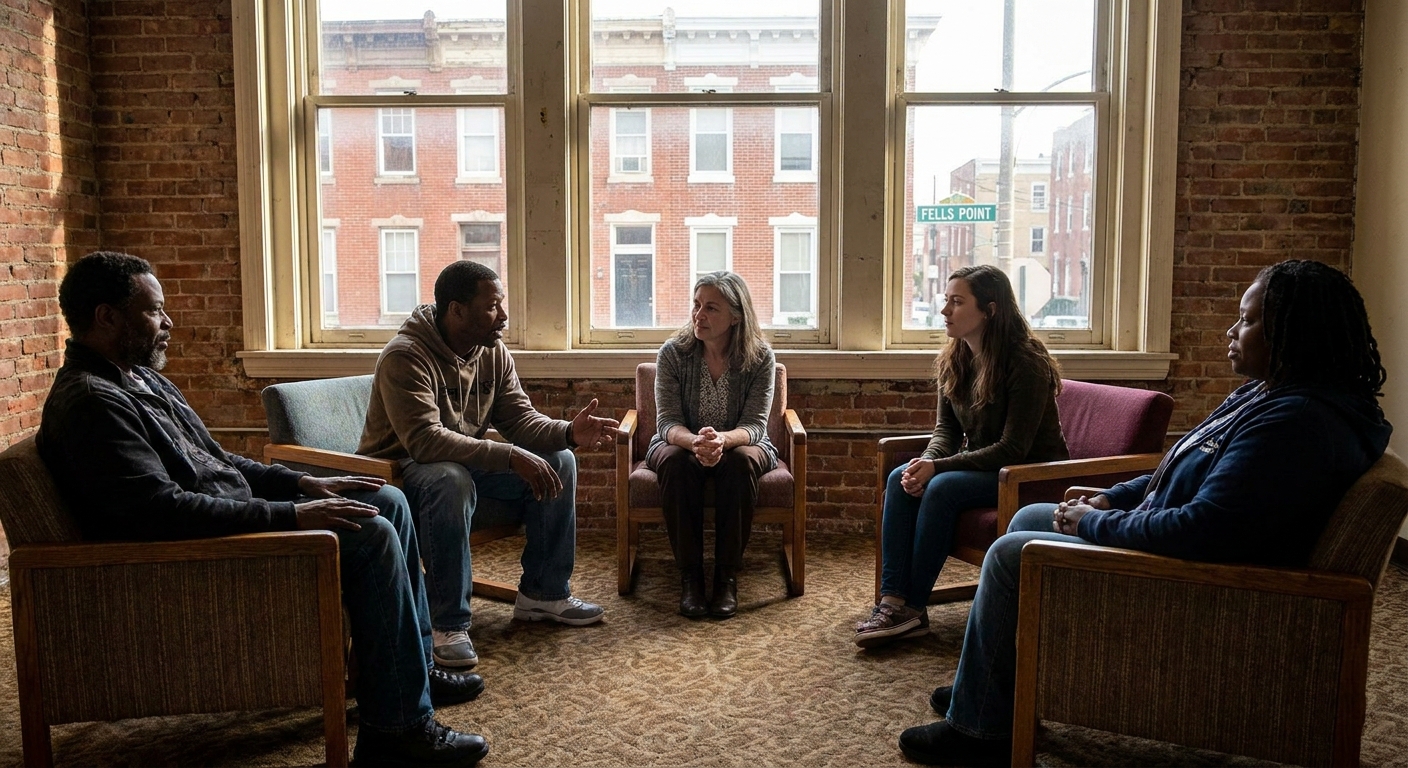

You’re not alone on the path to lasting stability. A sober living and reentry housing program can provide the safe, structured environment you need as you transition from treatment or incarceration back into everyday life. By offering supportive housing, life-skills training, peer accountability, and access to case management, these programs help you build recovery capital—your personal resources for long-term success.
In this article, you’ll explore:
- The range of sober living environments and reentry housing options
- Core services—from counseling to job readiness—that stabilize your recovery
- Quality standards and certifications that ensure a safe stay
- Practical steps for choosing a program that meets your needs
Understand sober living options
Sober living homes offer a transitional bridge between clinical treatment and full independence. Whether you’re stepping down from residential care or continuing outpatient therapy, these environments reinforce abstinence and peer support.
Types of sober living homes
Recovery residences vary in structure and supervision. The National Association of Recovery Residences defines four levels [1]:
- Level 1 Peer-run: Residents lead meetings and chores; minimal staff oversight
- Level 2 Monitored: On-site house manager enforces rules and facilitates meetings
- Level 3 Supervised: Staff provide regular clinical support, drug testing, and case management
- Level 4 Integrated: Comprehensive services on-site, including therapy and medical care
Benefits of structured sober living
Living in a structured sober living environment supports recovery in key ways:
- Accountability and routine: House rules, curfews, and shared chores build responsibility
- Peer support: Camaraderie with like-minded individuals reduces isolation and fosters motivation
- Extended program engagement: Residents in sober homes tend to stay in outpatient treatment longer and achieve satisfactory discharges more often [2]
- Enhanced recovery capital: You gain social, human, and cultural resources that underpin long-term sobriety
Comparing sober settings
| Feature | Peer-run SLH | Monitored SLH | Supervised SLH | Integrated SLH |
|---|---|---|---|---|
| Staff oversight | Minimal | Part-time manager | Full-time staff | Clinical team |
| Drug testing | Optional | Regular | Regular | Frequent |
| Case management | Self-directed | Light | Moderate | Intensive |
| Average stay | 90+ days | 120+ days | 166–254 days | 166–254 days |
| Cost factors | Lower | Moderate | Higher | Highest |
Average stays in sober living homes ranged from 166 to 254 days in one study [3].
Explore reentry housing programs
If you’re returning from incarceration, a dedicated reentry housing program can reduce the risk of relapse and recidivism by addressing your housing, employment, and support needs.
Reentry housing for ex-offenders
Ex-offender supportive housing and reentry program models combine sober living with services tailored for those leaving prison. Common elements include:
- Job readiness workshops [4]
- Legal aid or expunction assistance
- Peer mentoring from individuals with lived experience
Transitional housing for high-risk clients
Some programs specialize in clients with co-occurring disorders or high clinical acuity. These settings offer:
- On-site therapy and medication management [5]
- Closer staff supervision
- Partnerships with mental health providers
Halfway houses vs sober living
| Aspect | Halfway house | Sober living home |
|---|---|---|
| Referral source | Court-mandated or correctional facilities | Voluntary, often post-treatment |
| Programming | Mandatory rehabilitative programs | Peer-led or staff-led recovery meetings |
| Privacy level | Shared rooms, strict visitation guidelines | More private rooms, flexible visitation |
| Duration | Fixed term linked to parole requirements | Flexible, often 3+ months based on progress |
| Support focus | Reintegration services, job training | Mutual accountability, life skills, continued outpatient care |
Halfway houses emphasize reintegration after incarceration, offering job training and mental health support, while sober living homes focus on voluntary, peer-driven recovery [6].
Assess supportive services
A strong sober living and reentry housing program integrates a range of services to stabilize your life and reinforce recovery.
Case management and addiction counseling
Effective programs assign a case manager who helps you:
- Develop an individualized plan
- Coordinate outpatient therapy and medical care
- Navigate benefits like SSDI or housing vouchers
Look for partnerships with counseling services such as our housing program with addiction counseling or supportive housing program for dual diagnosis.
Peer support and life skills training
Living with peers in recovery fosters mutual accountability. Key offerings often include:
- Daily or weekly house meetings
- Workshops on communication, budgeting, and cooking
- Structured chores and accountability partners
Explore options like supportive housing with peer support and supportive housing with life skills training.
Employment readiness and education
Securing work provides purpose and financial stability. Programs often offer:
- Resume writing and interview coaching
- Connections to local employers
- Enrollment in GED or vocational training
Consider combining residential care with our job readiness program for people in recovery or supportive housing and employment readiness.
Plan your transition
Selecting the right program requires clear goals, realistic budgeting, and awareness of quality standards.
Evaluate certification and quality benchmarks
Certified recovery residences adhere to standards set by the National Alliance for Recovery Residences. In Ohio, for example, all programs must register with OhioMHAS and meet NARR benchmarks [7]. On-site inspections verify:
- Policy implementation
- Safe and clean living conditions
- Staff qualifications
Estimate duration and costs
Your length of stay should align with your clinical progress and personal circumstances. General guidelines:
- Minimum 3 months for foundational stability
- 6–12 months for deep skill building and employment
- Variable extensions based on funding and program rules
Costs vary by location, service intensity, and amenities. Ask about:
- Monthly bed fees
- Included services (meals, transportation, coaching)
- Additional charges (gym, recovery coaching)
Engage family and community
Recovery thrives on a supportive network:
- Include family in workshops or family therapy [8]
- Connect with local 12-step or faith-based groups
- Tap into community support services for recovery for ongoing guidance
Take control of your future
You’ve gained tools, support, and a clear plan. Now it’s time to step confidently into the next chapter.
Connect with resources
Reach out to:
- Your treatment provider for referral to a sober living and supportive housing program
- A local reentry caseworker through housing and reentry support services
- Peer mentors or alumni networks at recovery meetings
Build your support network
- Assign accountability partners for daily check-ins
- Schedule regular meetings with your case manager [9]
- Engage in volunteer or faith-based initiatives
Stay engaged in your recovery community
Long-term success often means giving back. Consider:
- Leading peer-run meetings
- Mentoring new residents
- Joining advocacy or policy initiatives around reentry housing
By choosing a comprehensive sober living and reentry housing program, you lay the foundation for a stable, empowered future. With structured support, case management, and a community of peers, you’ll have the resources you need to rebuild your life—one day at a time.
References
- (Hazelden Betty Ford Foundation)
- (PubMed Central)
- (HealingUS)
- (reentry program with job readiness training)
- (transitional housing program with therapy support)
- (Silver Ridge Recovery)
- (Ohio Recovery Housing)
- (family health services for people in recovery)
- (case management services for recovery clients)