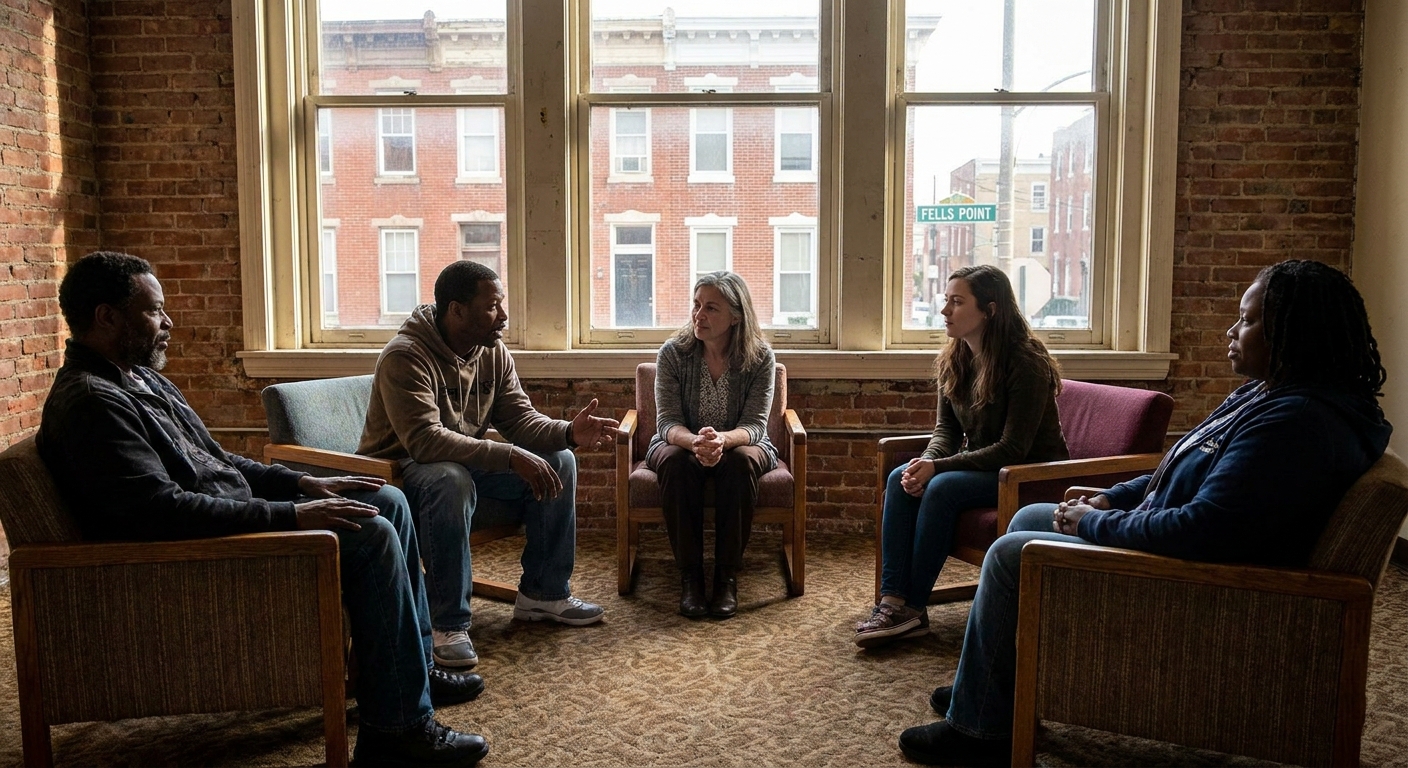

When you complete a rehab program, transitional living for people leaving rehab provides a structured, supportive environment that bridges the gap between intensive treatment and independent life. These settings, often called transitional housing for addiction recovery, combine safe, substance-free living with services designed to help you rebuild daily routines, deepen coping skills, and strengthen relapse prevention strategies. Research shows that a stay of 166 to 254 days in a recovery residence leads to fewer post-treatment substance-use problems, lower arrest rates, higher employment and stable housing up to 18 months later [1].
In this article, you’ll explore how recovery residences and supportive housing can stabilize your life, compare key living arrangements, and outline practical steps—from reentry planning to case management—that boost your chances of lasting recovery.
Understand transitional living basics
Definition and purpose
Transitional living refers to residential programs that offer a midpoint between inpatient rehab and fully independent housing. You’ll reside in a drug-free home with peers who share recovery goals. Staff or volunteer coordinators set clear house rules, supervise compliance, and facilitate access to community resources. As a result, you can apply coping strategies learned in treatment while practicing daily responsibilities in a low-pressure setting.
Benefits and outcomes
By choosing a recovery residence, you benefit from:
- Structured environment that reduces isolation and temptation
- Peer accountability and shared experiences
- Opportunities to build “recovery capital,” including social, human, and cultural resources [2]
- Increased likelihood of satisfactory discharge when paired with outpatient treatment [2]
- Lower relapse rates—40% to 60% of people experience a relapse at some point, highlighting the value of continued support [3]
Furthermore, you’ll often engage with programs like the sober living and supportive housing program, where peer mentors and structured meetings reinforce sobriety and personal growth.
Compare housing options
Evaluating different recovery-oriented residences helps you choose the setting that aligns with your needs. Below is a comparison of three common arrangements:
| Option | Description | Average stay | Key supports |
|---|---|---|---|
| Sober living home | Peer-run or professionally managed, alcohol- and drug-free living with house rules and meetings | 3–12+ months | Mutual-help meetings, weekly house chores, rent contributions |
| Transitional living facility | Residential housing with onsite counseling, therapy sessions, life skills classes and case management | 6–18 months | Structured daily schedules, relapse prevention workshops, residential housing for addiction treatment step down |
| Independent shared housing | Affordable apartments or houses rented by residents in recovery, minimal supervision | Flexible duration | Access to housing assistance for people in recovery, peer check-ins |
Each option offers varying levels of supervision, professional services, and communal engagement. If you need regular counseling and skill-building, a transitional living facility may be ideal. For greater autonomy, shared housing can be a stepping stone once you’ve established reliable routines.
Utilize supportive services
To maximize the benefits of transitional living, you’ll want to tap into a comprehensive suite of services designed to reinforce your recovery journey.
Counseling and therapy
Individual and group therapy address co-occurring mental health issues, trauma, and underlying causes of addiction. Common approaches include:
- Cognitive behavioral therapy to reframe negative thought patterns
- Motivational interviewing to strengthen commitment to sobriety
- Family counseling to repair relationships and build a supportive home environment
Peer support groups
Mutual-help meetings such as 12-Step groups (Alcoholics Anonymous, Narcotics Anonymous) and alternative peer networks provide free, ongoing encouragement. You can also find specialized gatherings for young adults, veterans, or families.
Life skills training
Many programs integrate classes on:
- Effective communication and conflict resolution
- Nutrition, exercise, and self-care routines
- Time management and goal setting
- Supportive housing with life skills training ensures you graduate with tools to navigate everyday challenges.
By combining therapeutic interventions with peer mentorship, you build a resilience toolkit that supports both emotional well-being and practical independence.
Develop essential life skills
Beyond therapy, learning or reinforcing basic life skills is a cornerstone of successful reintegration.
Financial management
Establishing financial stability reduces stress and temptation to return to old habits. Key steps include:
- Creating a monthly budget and tracking expenses
- Setting up a savings account or emergency fund
- Understanding credit scores, debt repayment, and loan options
- Seeking guidance from a financial counselor or peer mentor
Employment readiness
Finding meaningful work boosts your self-esteem and provides income stability. Transitional living programs often partner with job support services:
- Resume writing workshops and interview coaching
- Job readiness program for people in recovery
- Connections to employers open to hiring individuals in recovery
- On-the-job training or volunteer opportunities to build experience
By mastering money management and securing reliable work, you’ll lay a solid foundation for lasting independence.
Plan your reentry steps
Reentering your community after rehab involves more than housing. Careful planning ensures you address legal, administrative, and personal needs.
Housing stability considerations
When choosing post-rehab housing, consider:
- Proximity to support meetings and treatment centers
- Affordability and availability of subsidies, such as HUD’s Continuum of Care program [4]
- Compatibility with roommates and house rules
Explore options through housing and reentry support services or specialized programs like the transitional housing program for veterans or reentry housing program for individuals post-incarceration.
Legal and administrative support
Depending on your background, you may need help with:
- Obtaining or restoring identification documents
- Understanding rights under the Americans with Disabilities Act
- Navigating court obligations, probation, or parole requirements
- Connecting with a reentry program for ex offenders to access legal aid and job placement
A clear reentry plan reduces anxiety and ensures you meet all obligations while focusing on your recovery goals.
Engage case management teams
Case managers act as your advocates and coordinators, ensuring you receive the right mix of services at the appropriate times.
Coordinating your care
Your case manager may:
- Conduct initial assessments to identify needs and goals
- Develop an individualized service plan covering housing, therapy, employment, and health care
- Facilitate referrals to mental health providers, medical clinics, or peer support networks
By centralizing communication, case management helps you avoid service gaps and duplicative efforts.
Monitoring progress
Regular check-ins allow you and your case manager to:
- Track milestones, such as weeks of sobriety or job interviews secured
- Adjust service plans in response to emerging challenges
- Provide crisis intervention or relapse prevention coaching when needed
Programs often offer case management services for recovery clients that keep you on track and accountable.
Strengthen your support network
A strong circle of allies—including family, peers, and community partners—underpins sustained recovery.
Family and peer involvement
Inviting trusted loved ones or peers to join therapy sessions and support meetings can:
- Enhance empathy and mutual understanding
- Build a shared commitment to your sobriety
- Reduce feelings of isolation and shame
Many transitional homes host family workshops and peer mentorship meetups to foster these connections.
Community partnerships
Local resources can extend your network beyond the residence:
- Community support services for recovery offer workshops, recreational activities, and volunteer projects
- Faith-based or cultural organizations provide social integration and mentoring
- Community reintegration program after rehab initiatives connect you with housing, employment, and education partners
By weaving yourself into a web of supportive relationships, you’ll face fewer setbacks and enjoy a greater sense of belonging.
Track recovery outcomes
Measuring your progress helps you stay motivated and informs adjustments to your aftercare plan.
Key metrics to watch
Consider monitoring:
- Days sober and frequency of cravings
- Attendance at therapy or support meetings
- Employment hours or income earned
- Financial indicators such as budget adherence and savings growth
- Quality of sleep, nutrition, and exercise habits
Adjusting your plan
If you notice stalled progress or emerging risks:
- Revisit your case management plan with your coordinator
- Increase therapy frequency or explore new modalities
- Transition to a different living arrangement, such as a more structured setting
- Seek peer support intensively until stability improves
A dynamic, data-informed approach ensures you receive the right level of support at each stage of recovery.
Take proactive next steps
Selecting a program
When you’re ready to move into transitional living, evaluate programs based on:
- Licensing, accreditation, and success rates
- Range of services (therapeutic, vocational, educational)
- Staff credentials and peer leadership involvement
- Cost, payment assistance, and eligibility requirements
Visiting facilities and speaking with current residents can help you gauge fit and culture.
Setting long-term goals
Beyond immediate stability, set personalized goals to sustain momentum:
- Pursue educational or certification programs
- Volunteer or take on leadership roles in recovery communities
- Plan periodic “check-ups” with your case manager
- Explore supportive housing and employment readiness programs for continued growth
With a clear vision and the right supports, you’ll transform transitional living into a springboard for lasting wellness and independence.
By embracing transitional living as part of your aftercare, you’ll access a holistic framework—combining stable housing, therapeutic services, peer networks, and professional guidance—that empowers you to move confidently from treatment into a fulfilling, sober life.