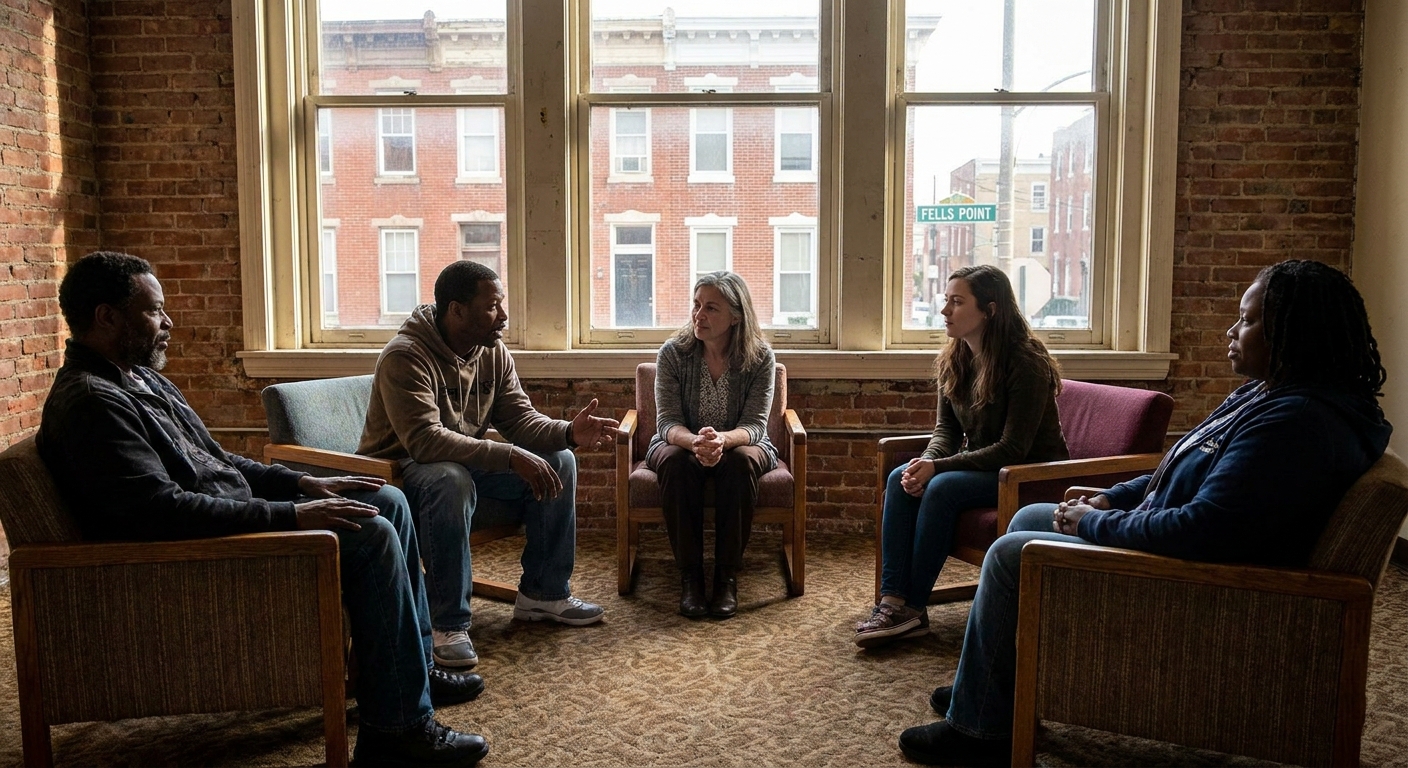

Understand community reintegration programs
When you complete a structured treatment plan, the journey toward sustained recovery continues outside the facility. A community reintegration program after rehab connects you with life stabilization services, housing options, and reentry supports that bridge the gap between clinical care and everyday life. By enrolling in such a program, you gain access to comprehensive care that addresses systemic, social, emotional, and practical barriers to lasting sobriety.
Through tailored interventions—ranging from case management to peer support—you can rebuild routines, secure stable housing, and navigate legal or employment challenges. This transition is critical: studies show that 40–60 percent of individuals in recovery experience relapse within the first few months after leaving rehab [1]. A dedicated reintegration program gives you the structure and community necessary to reduce that risk and foster long-term resilience.
Identify reintegration challenges
Reentering society after rehab often means confronting obstacles that threaten your progress. Understanding these challenges helps you select the right supports.
Systemic and social barriers
- Societal stigma and discrimination can undermine self-esteem and limit access to jobs or housing [2].
- Housing instability and bureaucratic hurdles make it hard to secure safe, stable living environments.
- Employment barriers, including gaps in work history or legal issues, complicate financial independence.
- Legal obligations—probation, court appearances, child support—can strain limited resources.
Emotional and practical barriers
- A lack of ongoing mental health support may leave you feeling isolated in recovery.
- Disrupted social networks can reduce accountability and peer encouragement.
- Unsupportive home environments or family conflict increase stress and the temptation to relapse.
- Practical concerns like transportation, insurance, or childcare can sidetrack your recovery plan.
By recognizing these hurdles, you can proactively seek services that address each area, making your reintegration smoother.
Explore program components and services
A robust reintegration program after rehab offers multiple layers of support. Key components often include:
Case management services
Case managers coordinate your care across clinical, social, and legal systems. They help you to:
- Secure stable housing and complete applications for rental assistance
- Enroll in transitional living for people leaving rehab or sober living and supportive housing program
- Navigate public benefits, insurance, or disability claims
- Connect with vocational training and job readiness programs
Peer support and community connections
Engaging with peers who share similar experiences builds motivation and mutual accountability. Common offerings include:
- Recovery meetings (12-Step, SMART Recovery) and sober social events
- Community support services for recovery groups
- Alumni networks that host workshops, group outings, and mentorship
Continuing care and follow-up
Ongoing clinical contact reduces relapse risk and strengthens coping skills. Evidence-based continuing care interventions may feature:
- Recovery Management Checkups (RMC) with proactive assessments and referrals, shown to improve substance use outcomes [3]
- Incentive-based attendance rewards that boost engagement and abstinence [3]
- Mobile health technology like A-CHESS, which offers automated support, symptom monitoring, and real-time connection to counselors between sessions [3]
- Primary care–based alcohol care management for ongoing monitoring and medical support
Family and vocational assistance
A holistic program recognizes that recovery involves more than substance-use management:
- Family health services for people in recovery to rebuild communication and support systems
- Job readiness program for people in recovery offering resume building, interview coaching, and employer connections
- Life skills workshops—budgeting, nutrition, stress management—to enhance day-to-day resilience
Compare housing and support service options
Choosing the right living environment is fundamental. The table below outlines common post-rehab housing arrangements and support levels.
| Housing option | Description | Key benefits |
|---|---|---|
| Transitional housing for addiction recovery | Short-term residences with on-site counseling, peer groups, and life skills training | Structured environment, easy access to therapy, step toward independent living |
| Sober living and supportive housing program | Shared or private homes that enforce sobriety, often with resident mentors | Peer accountability, sober social network, more autonomy |
| Reentry housing program for individuals post-incarceration | Residences designed for justice-involved individuals, combining safe housing with tailored case management | Addresses legal and employment barriers, integrates reentry program for ex offenders |
| Supportive housing with case management services | Apartments or shared units with ongoing case management, mental health support, and peer coaching | Long-term stability, integrated mental health care |
| Supportive housing with employment readiness | Housing combined with job skills training, vocational counseling, and employer partnerships | Accelerates financial independence, structured daily routines |
Linking your housing choice with complementary services—such as behavioral health supportive housing services or housing and reentry support services—ensures you address multiple needs in one setting.
Plan your personalized reintegration path
Every recovery journey is unique. Crafting a clear plan empowers you to move forward with confidence.
Assess your needs
Start by identifying areas where you need the most support:
- Do you require a stable residence or more flexible living?
- Are you at risk for relapse without ongoing counseling?
- What employment or legal challenges must you address?
- How strong is your existing social support network?
Set realistic goals
Break down your reintegration objectives into achievable steps:
- Secure housing within four weeks of discharge
- Attend at least two peer support meetings per week
- Meet with a case manager biweekly for three months
- Complete job readiness program for people in recovery within six weeks
These milestones provide structure and measurable progress.
Build your support network
Cultivate connections that reinforce accountability and encouragement:
- Identify a sponsor or peer mentor from a recovery community
- Enroll in supportive housing with peer support to surround yourself with like-minded individuals
- Engage family members in select counseling sessions to reinforce healthy communication
- Link with community resources such as case management services for recovery clients
Strengthen lasting recovery
A successful reintegration program after rehab goes beyond initial placement. It equips you to adapt and thrive.
Monitor your progress
Regular check-ins with professionals and peer groups help you:
- Track housing stability, employment status, and mental health metrics
- Address emerging stressors before they escalate
- Celebrate milestones and reinforce positive behaviors
Adjust your aftercare plan
Recovery is dynamic. As you grow:
- Revisit your goals quarterly and revise timelines as needed
- Increase or decrease intensity of counseling sessions based on risk factors
- Transition from structured housing to more independent arrangements when ready, such as residential housing for addiction treatment step down
Engage in community involvement
Staying connected to your recovery community builds resilience:
- Volunteer at a local recovery center or advocacy group
- Mentor newcomers navigating reentry challenges
- Participate in alumni events held by your treatment provider
- Join ongoing education workshops or peer-led support groups
By contributing to others’ journeys, you reinforce your own commitment and gain a deeper sense of purpose.
Your next steps
Enrolling in a community reintegration program after rehab sets the foundation for sustainable recovery. Whether you need transitional housing, case management, job readiness training, or continuing clinical care, a well-designed program integrates these elements into a cohesive support network. Take proactive steps today:
- Reach out to your treatment provider or local community health center to explore reintegration options
- Discuss your unique needs with a case manager or counselor
- Visit relevant resources such as transitional housing program for veterans or supportive housing for co-occurring disorders to find specialized programs
Your recovery journey extends beyond rehab walls. With the right reintegration program, you gain the tools, community, and confidence to rebuild your life and achieve lasting wellness.