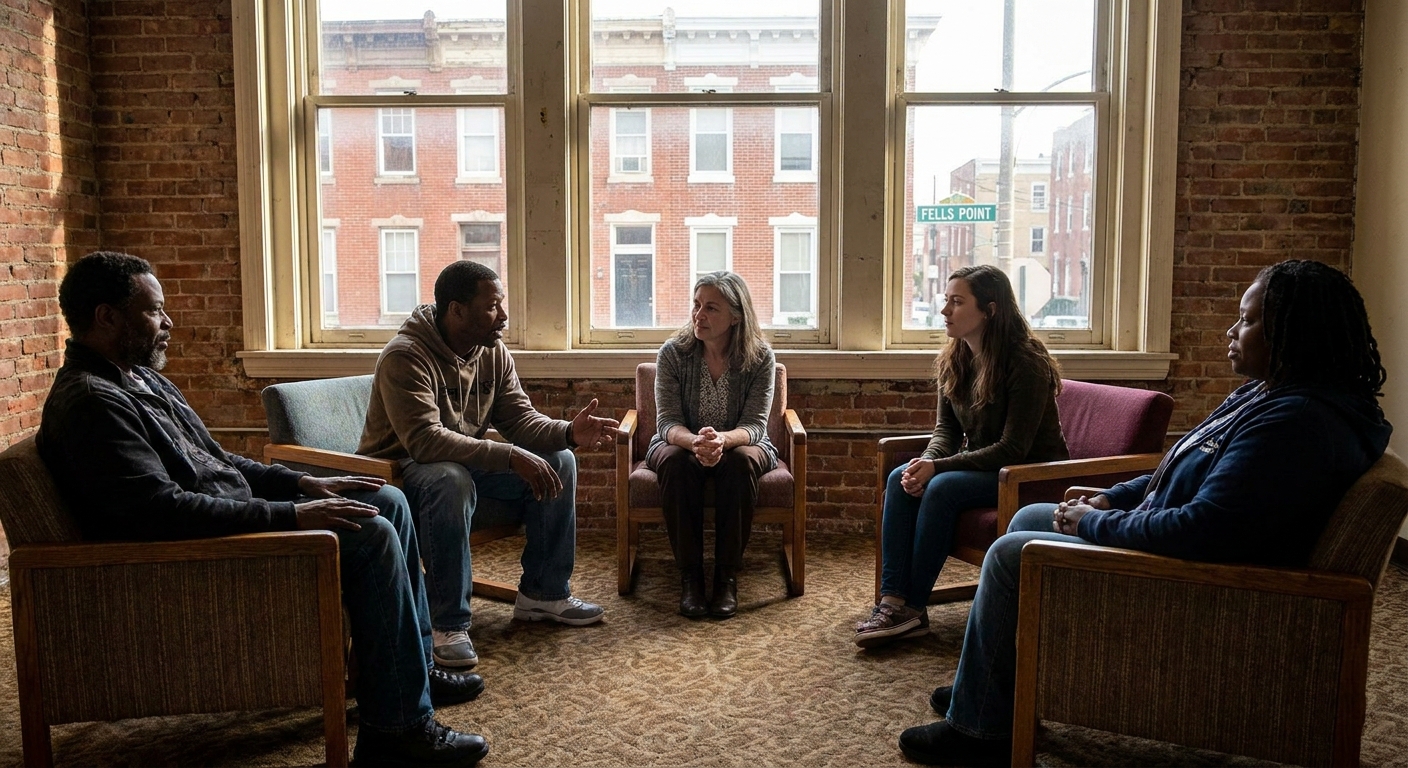

Overview of housing and reentry support services
You need effective housing and reentry support services to navigate the challenges of life after incarceration or during long-term recovery. By combining stable living arrangements with coordinated reentry programs, you can reduce the risk of homelessness, recidivism, and relapse. In fact, homelessness during probation increases the risk of returning to custody by nearly 50% [1], and roughly 25% of individuals start probation without a regular address [1]. These statistics highlight why you should prioritize services that address both housing stability and community reintegration.
Defining housing and reentry support
Housing and reentry support services blend safe, affordable living options with life stabilization programs. They include transitional living, peer-led sober residences, case management, job readiness training, and connections to mental health care. By targeting your unique needs—whether you’re a person in recovery, a veteran, a parent rebuilding family ties, or someone with co-occurring disorders—these services create a supportive environment for lasting change.
Importance of a combined approach
Separating housing from reentry planning can leave gaps that undermine stability. A holistic model ensures you receive:
- Personalized case management that coordinates services from day one
- Structured housing with onsite or nearby counseling
- Employment and education supports to build financial independence
- Peer and family engagement to reinforce accountability
More than 70% of state Departments of Corrections offer some form of post-release housing assistance, such as short-term transitional housing and rental subsidies [2]. When you tap into a combined system, you’re better positioned to sustain recovery and avoid the homelessness-jail cycle.
Explore housing stabilization services
Finding the right housing option is critical for your sense of safety and community. Below are key models that form the foundation of supportive living.
Transitional housing
Transitional housing bridges the gap between institutional settings and independent living. You’ll typically stay for 3 to 12 months in a structured environment with:
- Onsite case managers
- Group therapy and life skills workshops
- Peer support networks
For addiction recovery, consider transitional housing for addiction recovery, which integrates treatment with daily living supports.
Supportive housing
Supportive housing combines affordable apartments with wraparound services. It’s ideal if you need longer-term stability and integrated care. Core features include:
- Independent units with rental assistance
- Access to mental health and substance use counseling
- Opportunities for skill-building and peer mentorship
Many programs are listed under behavioral health supportive housing services. You can also explore supportive housing with mental health services for dual-diagnosis treatment.
Sober living residences
A sober living environment enforces abstinence and mutual accountability. Typical features are:
- Drug- and alcohol-free house rules
- Regular drug screening
- House meetings and peer-led recovery activities
Look into a sober living and supportive housing program or a sober living and reentry housing program to find homes that emphasize community and structure.
Permanent supportive housing
When you need ongoing assistance, permanent supportive housing offers indefinite residency plus:
- Intensive case management
- Links to healthcare and vocational services
- Crisis intervention
This model is especially valuable if you have chronic health conditions or a history of repeated homelessness.
Comparing housing models
| Housing type | Duration | Services included | Best for |
|---|---|---|---|
| Transitional housing | 3–12 months | Group therapy, case management, life skills | Short-term stabilization |
| Supportive housing | 1–5 years+ | Counseling, peer support, rental assistance | Long-term recovery support |
| Sober living residences | Variable | House meetings, screenings, peer accountability | Early recovery, peer networks |
| Permanent supportive housing | Indefinite | Healthcare, case management, crisis services | Chronic needs, high acuity clients |
Examine reentry support programs
Alongside housing, you’ll benefit from structured reentry programs that focus on skills, community ties, and legal stabilization.
Pre-release planning
Effective reentry starts before you exit incarceration. Pre-release services can include:
- Housing needs assessment by DOC staff
- Help securing a release address to avoid hold-overs
- Connections to community partners for rental deposits
Nearly all Departments of Corrections screen for housing needs during reentry planning [2].
Transitional living programs
Transitional living for post-release can follow a residential or outpatient format. Options include:
- Transitional living for people leaving rehab
- Transitional housing program with therapy support
- Transitional housing program for veterans
These services help you adjust to daily routines, manage triggers, and maintain accountability.
Employment and education supports
Work and school are cornerstones of reintegration. Programs often feature:
- Job readiness training and placement [3]
- Vocational certifications and apprenticeships
- Educational referrals and GED completion
Pairing employment services with housing—such as supportive housing and employment readiness—builds financial independence and purpose.
Community reintegration
Reentry isn’t just about work and home—it’s about belonging. Key supports include:
- Community reintegration program after rehab
- Faith-based mentorship and peer groups
- Family reunification and legal clinics
Programs like Root & Rebound report that 94.5% of participants feel more confident about job prospects after receiving comprehensive legal and social support [4].
Consider tailored case management
Case management is the glue that holds housing and reentry services together. A tailored approach ensures you access the right supports at the right time.
Individual needs assessment
Your case manager will evaluate factors such as:
- Criminal history and probation requirements
- Mental health and substance use status
- Family dynamics and housing preferences
This assessment forms the basis of an individualized plan.
Integrated care coordination
Coordinated care means seamless referrals among:
- Housing providers [5]
- Behavioral health clinicians
- Employment and education specialists
- Peer support networks [6]
Integrated teams reduce duplication and ensure you don’t fall through program gaps.
Peer and family support
Recovery and reentry benefit from social connections. Services may include:
- Peer-led support groups
- Family education workshops [7]
- Youth and family services for parents returning home [8]
Engaging peers and loved ones strengthens motivation and accountability.
Evaluate program success metrics
Measuring outcomes helps you select services with proven impact. Key metrics include housing stability, recidivism, and personal wellness.
Housing stability outcomes
Track how long participants maintain housing:
- Percentage housed six months post-placement
- Rates of return to homelessness
For example, permanent supportive housing programs report up to 85% continued tenancy after one year.
Recidivism reduction rates
Programs that combine housing with intensive case management can lower recidivism by 20–30% compared to standard parole supervision. Table 1 illustrates median impacts.
Table 1: Recidivism outcomes by program type
| Program type | Recidivism drop | Source |
|---|---|---|
| Transitional housing with therapy support | 15% | NCBI |
| Permanent supportive housing | 25% | Prison Policy Initiative |
| Reentry with job readiness training | 20% | Stand Together |
Personal wellness indicators
Beyond housing and custody, quality of life matters. Programs often track:
- Employment or education engagement
- Mental health symptom reduction
- Substance use relapse rates
High-acuity clients in supportive housing with life skills training [9] frequently report improved self-sufficiency and well‐being.
Choose the right services
Selecting the ideal combination of supports depends on your goals, resources, and circumstances. Use this guide to make informed choices.
Assessing your priorities
Reflect on:
- Your target move-in timeframe
- Level of structure you need (strict, moderate, or independent)
- Co-occurring needs, such as mental health or family reunification
- Employment or education plans
Questions to ask providers
Before enrolling, request information on:
- Eligibility criteria and fees
- Average length of stay and transition supports
- Onsite or offsite counseling options
- Case management caseloads and staff credentials
- Peer support and community engagement activities
Compare programs like supportive housing program for dual diagnosis, ex-offender supportive housing and reentry program, or housing support for mental health recovery to find the best fit.
Next steps and resources
- Contact local reentry coalitions or probation officers for referrals
- Explore online directories of supportive housing in your area
- Connect with peer-run recovery organizations
- Review eligibility for rental vouchers or short-term assistance
- Engage family or friends in your housing plan
For more options, check out housing assistance for people in recovery and community support services for recovery. Taking these steps empowers you to secure a stable home, rebuild your life, and maintain long-term recovery.
By focusing on integrated life stabilization services, housing options, reentry programs, and personalized case management, you can chart a path toward sustained wellness and community reintegration. With the right supports in place, you’ll have the stability and resources necessary for lasting success.
References
- (NCBI)
- (CSG Justice Center)
- (job readiness program for people in recovery)
- (Stand Together)
- (residential housing with case management services)
- (supportive housing with peer support)
- (program for family reintegration and recovery)
- (youth and family supportive services program)
- (supportive housing with life skills training)