
Understand detox options
When you begin searching for a long term detox and recovery program, you first need to understand the detox phase and its role in your journey. Detoxification, or detox, is the process of allowing your body to rid itself of harmful substances while managing withdrawal safely. Choosing the right detox setting lays the foundation for sustained recovery.
What is long term detox
Long term detox programs extend beyond the typical 3-month mark, often lasting six months to a year or more. These programs are designed for individuals with severe substance use disorders or co-occurring mental health conditions who need an extended, structured environment. By staying in a facility longer, you gain time to:
- Stabilize physically under medical supervision
- Address underlying psychological and social factors
- Learn coping skills through ongoing therapy
Research indicates that spending at least 90 days in treatment correlates with higher sobriety rates [1].
Short term versus long term
Understanding the difference between short term and long term detox helps you weigh your options:
-
Short term detox (under 3 months)
-
Focuses on medically supervised withdrawal
-
Provides psychoeducation and aftercare planning
-
Ideal for rapid stabilization
-
Long term detox (3–12+ months)
-
Offers extended therapy and life-skills training
-
Addresses co-occurring disorders in depth
-
Reduces relapse risk through sustained support
A study from Prairie Recovery shows long term programs have higher success rates because they let you tackle stressors, triggers, and cravings more comprehensively [2].
Program durations and settings
Detox services come in various settings. Consider where you’ll receive care:
-
Residential detox for substance abuse
-
Live on-site with 24/7 monitoring
-
Structured daily schedule
-
Outpatient drug detox services
-
Attend sessions while living at home
-
Greater flexibility, ideal if you have commitments
-
Medical detox for high acuity clients
-
Intensive supervision for severe cases
-
Access to advanced medication management
Each setting has pros and cons. For example, a residential program can remove environmental triggers, while outpatient care allows you to maintain work or family routines. Explore options like residential detox for substance abuse or outpatient drug detox services to find the right fit.
Explore medication assisted treatment
Medication assisted treatment (MAT) combines FDA-approved medications with counseling and behavioral therapies. When you’re choosing a long term recovery program, understanding MAT can help you access tools that ease withdrawal and curb cravings.
Role of MAT
MAT is an evidence-based approach that treats substance use disorders like chronic conditions, much as diabetes or hypertension are managed. Key benefits include:
- Reduced withdrawal symptoms
- Lowered risk of relapse
- Improved retention in treatment
Programs such as medication assisted treatment program integrate MAT into their continuum of care, ensuring you receive both medication and therapy.
Suboxone and other medications
Suboxone, a combination of buprenorphine and naloxone, is widely used in opioid dependence treatment. Clinics like suboxone clinic for opioid addiction and best suboxone treatment program focus on safe induction and maintenance dosing. Other MAT options include:
- Methadone maintenance
- Naltrexone injections or implants
- Vivitrol for alcohol use disorder
Each medication has its considerations. For instance, buprenorphine can be prescribed in outpatient settings, such as an outpatient suboxone program, while methadone often requires daily clinic visits.
Benefits and limitations
MAT offers significant advantages but isn’t a standalone solution:
Pros:
- Evidence of reduced overdose risk
- Support for stabilizing brain chemistry
- Integration with counseling and peer support
Cons:
- Potential for medication diversion
- Need for careful monitoring
- Some individuals prefer medication-free approaches
Discuss your goals with clinicians, and if MAT aligns with your recovery plan, look into specialized programs like suboxone maintenance treatment program or medication assisted opioid treatment.
Compare program structures
Detox programs vary in structure, intensity, and therapeutic focus. Comparing options helps you choose a setting that meets your medical, psychological, and lifestyle needs.
Residential versus outpatient care
| Feature | Residential care | Outpatient care |
|---|---|---|
| Supervision | 24/7 medical and clinical staff | Scheduled visits to clinic or counselor |
| Environment | Substance-free campus, peer community | Home environment, travel to sessions |
| Scheduling | Structured days with therapy, activities, education | Flexible appointments, suitable if you have external responsibilities |
| Ideal candidates | Severe addiction, co-occurring disorders | Mild to moderate addiction, strong home support |
| Example programs | residential drug and alcohol detox center | outpatient detox and counseling program |
Holistic and dual diagnosis services
Programs that combine mental health care and holistic therapies can accelerate healing:
- Dual diagnosis care for co-occurring disorders [3]
- Yoga, meditation, and nutrition support [4]
- Family therapy and life-skills workshops
Holistic elements address the whole person—mind, body, and spirit—enhancing resilience.
Counseling and peer support
Recovery thrives on connection and professional guidance. Look for programs offering:
- One-on-one counseling [5]
- Group therapy fostering shared experiences and accountability
- Peer recovery coaching [6]
Such services help you build coping strategies, process trauma, and develop a sober support network.
Evaluate treatment quality
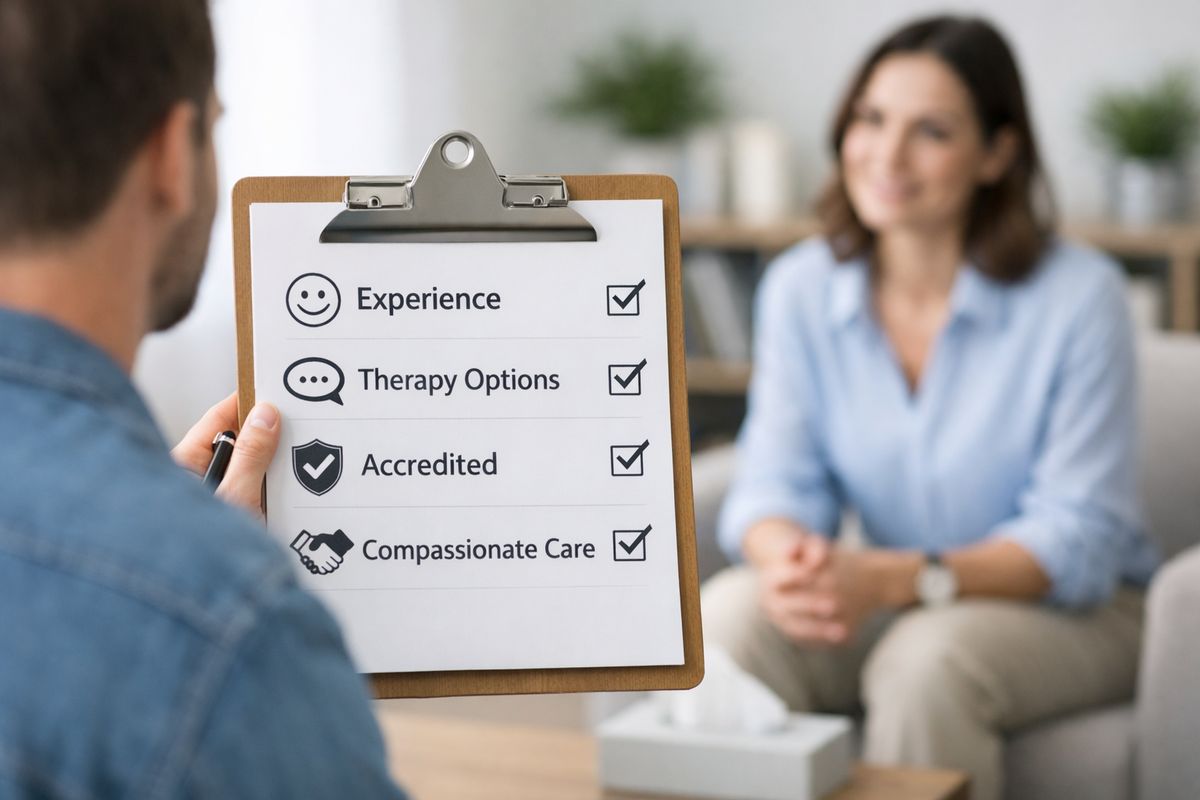
Choosing a quality long term detox and recovery program means vetting accreditation, therapeutic approaches, and outcome metrics.
Accreditation and credentials
Accredited programs adhere to industry standards set by organizations like The Joint Commission or CARF. Ask about:
- Licensing of medical and clinical staff
- Facility accreditation status
- Staff-to-patient ratios
Accreditation ensures you receive care that meets safety and effectiveness benchmarks.
Evidence-based therapies
Effective programs use treatments validated by research. Common modalities include:
Cognitive behavioral therapy
Helps you identify and replace negative thought patterns contributing to substance use.
Motivational interviewing
Encourages intrinsic motivation to change drinking or drug-related behaviors.
Medication assisted treatment
Combines medication with counseling for comprehensive care.
Family therapy
Involves loved ones to rebuild relationships and support systems.
Therapeutic alliance and outcomes
A strong bond between you and your therapist—the therapeutic alliance—is a top predictor of positive recovery outcomes. Studies show that personalized attention and trust in your care team boost retention and lower relapse rates [7]. When you visit a center, ask about staff experience, turnover rates, and patient satisfaction surveys.
Plan your recovery transition
A successful long term detox and recovery program doesn’t end at discharge. Planning your transition to continued care is critical for long-term sobriety.
Aftercare and relapse prevention
Aftercare, or continued care, provides ongoing support post-detox. The T.E.A.M. approach emphasizes:
- Therapy: individual, group, or family sessions
- Environment: living arrangements that support sobriety
- Association: engagement in peer support and sober communities
- Medication: ongoing management as needed
Entering aftercare programs reduces common relapse factors like stress, boredom, and isolation [8]. Look for services such as residential detox with aftercare planning or drug detox with relapse prevention.
Continuum of care
Effective programs offer a seamless continuum:
- Medically managed detoxification [9]
- Residential treatment, if indicated
- Outpatient therapy and support groups
- Alumni programs and sober living
This step-down approach helps you adjust gradually to everyday life while maintaining accountability.
Insurance and affordability
Most insurance plans cover addiction treatment under the Affordable Care Act. To manage costs:
- Verify coverage for detox, inpatient stays, and MAT
- Ask about sliding-scale fees or scholarships
- Compare out-of-pocket expenses across programs
Speaking with a treatment advisor can clarify financial questions before admission.
Preparing for admission
Approach your program with intention by:
- Gathering medical and prescription records
- Packing essentials: comfortable clothing, toiletries, and ID
- Setting communication plans with family or employers
- Writing down personal goals for treatment
Being prepared reduces anxiety and lets you focus on healing from day one.
Choose your program
Selecting the right long term detox and recovery program empowers you to reclaim your life. Reflect on your needs:
- Do you require 24/7 supervision in a residential setting?
- Would you benefit from medication assisted treatment?
- Is dual diagnosis care essential for co-occurring mental health issues?
- Can you commit to aftercare and alumni support?
Take these steps:
- Schedule consultations with 2–3 facilities.
- Tour the campuses and meet staff.
- Review accreditation, treatment modalities, and success metrics.
- Confirm insurance coverage and payment options.
By comparing program structures, evaluating treatment quality, and planning your transition, you’ll make an informed choice. Recovery is a journey, and the right program offers the comprehensive care and support you need for lasting change.