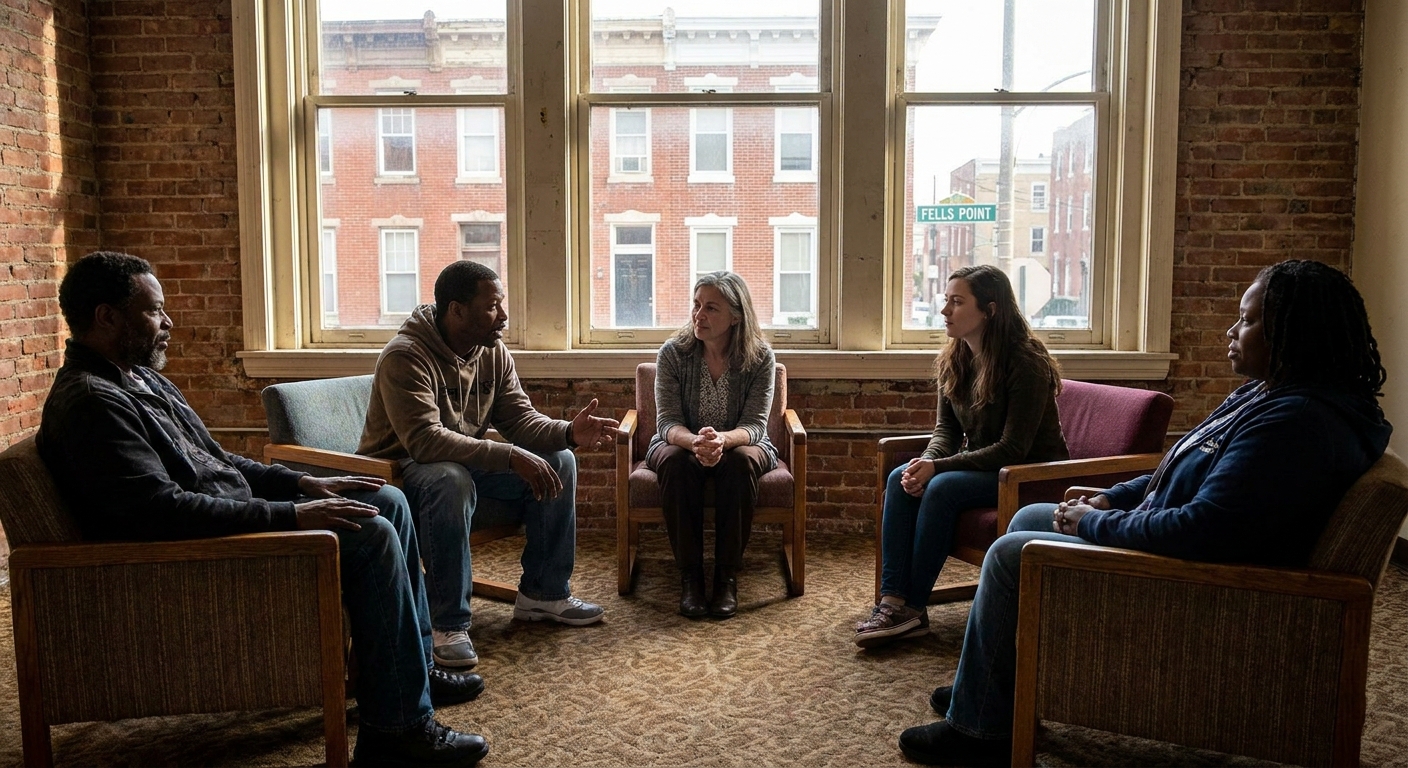

Supportive housing for co-occurring disorders provides a stable foundation as you navigate the challenges of dual diagnosis recovery. By combining affordable housing with on-site services tailored to both mental health and substance use needs, these programs create a supportive environment that promotes lasting stability and wellness. In this article, you’ll learn how housing interventions, reentry support, and case management services work together to help you or your loved one rebuild daily life and pursue sustained recovery.
Understanding supportive housing
What is supportive housing?
Supportive housing blends affordable accommodation with on-site or linked services designed to help you achieve and maintain stability. It goes beyond a roof over your head by offering access to counseling, health care, life skills training, and peer support—all aimed at addressing your unique needs.
Defining core components
- Safe, permanent or time-limited housing
- Access to behavioral health services on site or nearby
- Case management and peer support
- Life skills education, such as budgeting and cooking
Serving dual diagnosis
When you have co-occurring disorders—both a serious mental illness and a substance use disorder—housing stability becomes a critical step toward recovery. Supportive housing for dual diagnosis integrates therapies and medical oversight so you can focus on healing in a secure environment.
Why housing matters in recovery
Stability and health
Research shows that homelessness and housing instability worsen both mental health and substance use outcomes. According to the U.S. Department of Housing and Urban Development, over 560,000 people experience homelessness on any given night, including roughly 83,000 who are chronically homeless [1]. Supportive housing interrupts this cycle by providing a consistent base from which you can access care.
Quality of life impact
Having a stable and safe home improves your physical health, reduces stress, and enhances overall well-being. By eliminating the daily struggle to find shelter, you can devote more energy to treatment, work, and rebuilding relationships.
Addressing co-occurring disorders
Challenges of dual diagnosis
Managing co-occurring disorders means facing multiple barriers at once:
- Higher risk of relapse without stable housing
- Increased likelihood of repeated hospitalizations
- Greater prevalence of medical complications
- Shorter life expectancy—15 to 20 years less than the general population due to noncommunicable diseases [2]
Benefits of integrated support
By coordinating housing with clinical and peer services, supportive housing programs reduce fragmentation in care and address all aspects of your health.
Housing First and MISSION
Models like Housing First and the MISSION approach remove sobriety requirements and link permanent supportive housing with targeted clinical support. These programs have shown significant improvements in housing outcomes for individuals with co-occurring disorders [3].
Assertive community treatment
Assertive Community Treatment (ACT) teams deliver intensive, community-based support. In eight out of ten studies, ACT reduced homelessness among participants with mental illness and substance use issues [3].
For tailored dual diagnosis programs, consider a supportive housing program for dual diagnosis.
Exploring housing options
Supportive housing comes in various formats. Understanding each option helps you choose the right fit for your recovery stage.
| Housing model | Description | Typical duration |
|---|---|---|
| Permanent supportive housing | Long-term housing with on-site services | Indefinite |
| Transitional housing programs | Time-limited housing with structured support | 6–24 months |
| Sober living communities | Peer-managed homes promoting sobriety | 3–18 months or longer |
Permanent supportive housing
Permanent supportive housing offers an ongoing residency with wraparound services. It’s ideal if you need long-term case management and want to reduce the risk of future instability.
Transitional housing programs
Transitional programs bridge the gap between inpatient treatment and independent living. They provide structured support as you develop life skills and prepare for permanent housing. Explore options like transitional housing for addiction recovery or programs designed for veterans, such as transitional housing program for veterans.
Sober living communities
Sober living environments encourage peer accountability and a drug-free lifestyle. Many combine housing with group meetings and life skills workshops—see the sober living and supportive housing program for more details.
Incorporating reentry programs
If you’re returning from incarceration, housing stability is a critical part of reducing recidivism and promoting community integration.
Reentry housing after incarceration
Specialized reentry housing programs offer a safe place to live while you reintegrate. These services often include legal advocacy and peer mentorship. Check out the ex-offender supportive housing and reentry program or the reentry housing program for individuals post-incarceration.
Employment readiness training
Many reentry initiatives incorporate job coaching, resume building, and interview prep. Gaining employment readiness skills helps you secure stable income and maintain housing—consider a job readiness program for people in recovery or a combined supportive housing and employment readiness track.
Leveraging case management services
A dedicated case manager acts as your advocate, coordinating housing, health care, and social services to streamline your path to independence.
Role of case managers
Case managers assess your needs, develop individualized plans, and connect you with life stabilization services. They help ensure you attend appointments, apply for benefits, and progress toward personal goals.
Life stabilization services
Life stabilization covers a broad spectrum of supports, from budgeting classes to transportation assistance. If you need focused support, programs like case management services for recovery clients can link you to housing assistance for people in recovery and medical care.
Building community support
Recovery thrives on connection. Supportive housing often incorporates peer networks and family services to foster a sense of belonging.
Peer support networks
Engaging with peers who share your experiences can bolster motivation and reduce isolation. Programs featuring peer specialists offer mentorship and mutual support—learn more about supportive housing with peer support.
Family reintegration services
Healing relationships with loved ones is an essential part of your journey. Family-focused services provide counseling, education, and structured visits—explore family health services for people in recovery or youth and family supportive services program.
Ensuring long-term success
Your housing and support needs evolve over time. Building resilience and practical skills helps you maintain progress.
Maintaining housing stability
Ongoing support for housing upkeep, rent assistance, and crisis intervention prevents setbacks. Programs like housing stability program with behavioral health and housing support for mental health recovery can keep you on track.
Developing life skills
Mastering daily living skills boosts confidence and independence. From cooking nutritious meals to managing finances, look into supportive housing with life skills training or integrated tracks like supportive housing and job readiness combined.
Taking next steps
Finding the right program
Assess your current needs, including treatment readiness, housing tenure, and support preferences. Use directories of behavioral health supportive housing services or specialized supportive housing program for recovery to compare offerings.
Contacting support services
Reach out early to discuss eligibility, waiting lists, and application requirements. Your recovery deserves the stability and comprehensive care that supportive housing can provide. For additional community resources, explore community support services for recovery.