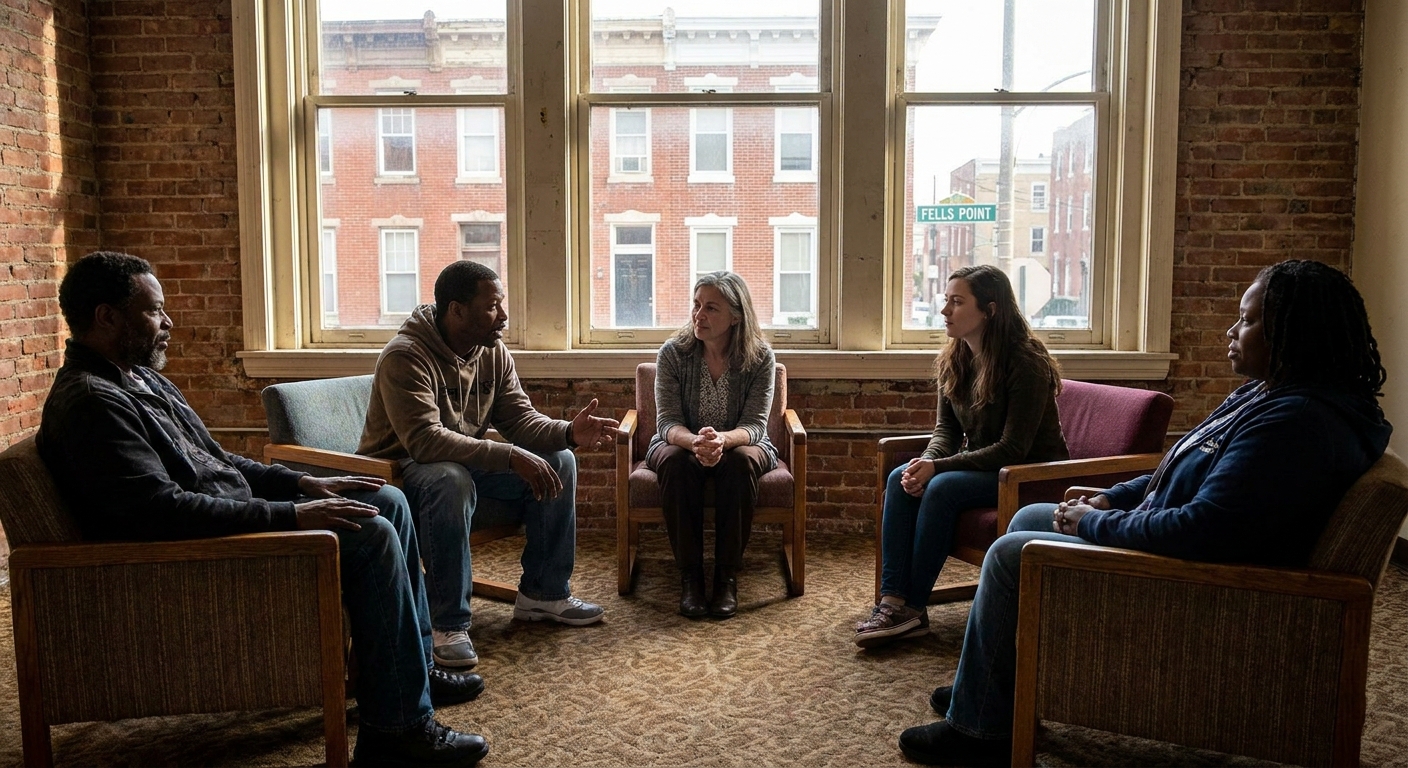

If you are exploring residential housing with case management services, you are seeking a supportive environment where skilled professionals help you navigate life stabilization, recovery, and community integration. In a residential housing program with case management services, you benefit from tailored support that stabilizes your living situation, addresses co-occurring needs, and fosters lasting change. This article will guide you through key models, housing options, supportive services, and steps to get started on your path to stable housing and long-term recovery.
Understanding supportive housing
Supportive housing combines affordable, stable living with on-site or linked services that promote health, wellness, and independence. When you choose a residential setting with case management, you join a community designed to meet your unique challenges, from mental health care to employment readiness.
Defining residential housing
Residential housing with case management services offers more than a roof and four walls. Your program may include on-site case managers who coordinate clinical care, connect you with medical and behavioral health providers, and help you access benefits such as Medicaid waivers or rental subsidies. These services form part of behavioral health supportive housing services that address both your housing and health needs simultaneously.
Role of case management
Your case manager serves as a central point of contact, advocating on your behalf and ensuring that each component of your individualized plan works in concert. Through comprehensive assessments, goal setting, and regular check-ins, case management services help you:
- Identify strengths and challenges
- Develop practical life skills
- Coordinate clinical and social services
- Navigate legal, financial, and educational systems
By weaving together wraparound support, case management creates a supportive housing with case management team that guides you through each stage of recovery.
Benefits of case management
Case management bridges the gap between housing and holistic recovery, offering structured support that adapts as your needs evolve. You gain a partner who keeps you on track and helps you overcome barriers to stability.
Enhancing housing stability
Stable housing lays the foundation for recovery. With case management, you receive:
- Help securing affordable housing or rental assistance
- Support during lease agreements and tenancy counseling
- Crisis intervention when you face eviction risks
Research shows that even standard case management can improve housing outcomes, reducing days spent homeless and lowering substance use over time [1].
Coordinating holistic care
Your wellness encompasses physical health, mental health, and social wellbeing. Case managers coordinate:
- Medical appointments and medication management
- Counseling, therapy, and peer support
- Transportation to essential services
- Access to nutritional and wellness programs
This integrated approach ensures that you do not fall through the cracks when managing co-occurring conditions.
Promoting community reintegration
Whether you are leaving incarceration or transitioning from treatment, community reintegration is key. Case management helps you:
- Connect with reentry program for ex offenders
- Enroll in job readiness or educational programs
- Build social networks through peer support groups
- Access legal aid and benefits counseling
As a result, you experience greater confidence and a stronger sense of belonging.
Comparing case management models
Different case management models vary in intensity, caseload, and outcomes. The following table outlines four approaches you may encounter.
| Model | Caseload | Focus | Key outcomes |
|---|---|---|---|
| Standard case management | Larger | Basic coordination and referral | Improved housing stability, reduced substance use [1] |
| Intensive case management | Smaller | Frequent contact, wraparound support | Significant reduction in days homeless, lower substance/alcohol use [1] |
| Assertive community treatment | Small team | Community-based for severe needs | Protective effects on rehospitalizations, housing stability, cost-effective [2] |
| Critical time intervention | Moderate | Transition support during crises | Promising improvements in housing stability and reduced hospitalization [2] |
Standard case management
Standard case management provides ongoing supportive care through referrals and basic coordination. It can improve housing stability and reduce substance use, but effects may be modest and short term.
Intensive case management
With a lower caseload and more frequent client contact, intensive case management addresses complex needs. Studies link it to fewer days homeless, lower substance and alcohol use, and improved access to income assistance programs [1].
Assertive community treatment
Assertive community treatment (ACT) deploys a multidisciplinary team that delivers services directly in the community. ACT has demonstrated cost-effectiveness, reduced rehospitalizations, and strong gains in housing stability for individuals with severe mental illness or dual diagnoses [2].
Critical time intervention
Critical time intervention (CTI) focuses on periods of transition, such as discharge from a hospital or incarceration. CTI has shown promising effects on housing stability and reduced rehospitalization during these high-risk windows.
Exploring housing options
Residential housing with case management services comes in several formats. You can choose the option that best aligns with your recovery stage and personal goals.
Permanent supportive housing
Permanent supportive housing combines long-term tenancy with tailored support. You enjoy stable rent and access to ongoing case management, mental health care, and employment services. Research highlights PSH’s strong impact on housing retention and reduced emergency department visits [3].
Transitional housing programs
Transitional housing offers time-limited residences, usually six to 24 months, while you build skills and savings. Programs often include therapy, peer groups, and life skills workshops. If you need structured support after treatment, consider transitional housing for addiction recovery or a transitional housing program with therapy support.
Sober living programs
Sober living environments provide peer-driven, substance-free residences. You live with others in recovery, share household responsibilities, and attend meetings or group counseling. Explore options like sober living and supportive housing program or sober living and reentry housing program to maintain accountability.
Reentry housing programs
If you are transitioning from incarceration, reentry housing programs can ease your return. Services include case management, job training, and legal support. Look into reentry housing program for individuals post-incarceration or ex-offender supportive housing and reentry program for tailored reintegration assistance.
Essential supportive services
Beyond a bed and board, residential programs offer a suite of services to help you rebuild your life.
Life skills training
Learning practical skills—budgeting, cooking, time management—is critical for independence. Programs like supportive housing with life skills training equip you to manage daily tasks and safeguard your tenancy.
Mental health support
Managing mental health alongside recovery is vital. Case management links you to therapists, psychiatrists, and peer support. You may enroll in supportive housing with mental health services or tap into community mental health and housing support.
Employment readiness
Securing income enhances stability. Your case manager can connect you with job readiness program for people in recovery or supportive housing and employment readiness, offering resume workshops, interview coaching, and employer partnerships.
Family and youth services
Recovery affects the whole family. Programs may include family counseling, parenting classes, and youth support groups. Explore family health services for people in recovery or youth and family supportive services program to strengthen relationships and foster healing.
Choosing the right program
Selecting a program that meets your needs requires thoughtful assessment and comparison.
Assessing your needs
Consider factors such as:
- Your stage of recovery and sobriety timeframe
- Mental health diagnoses or medical conditions
- History of incarceration or legal obligations
- Desire for peer networks versus individual care
- Geographic preferences and transportation
Evaluating program features
Look for programs that offer:
- Qualified case managers with relevant credentials
- On-site clinical and behavioral health services
- Linkages to community support and housing assistance for people in recovery
- Flexible lengths of stay and clear transition paths
- Opportunities for peer support and community integration
Accessing assistance
You can find programs through:
- Referrals from treatment centers or clinicians
- Local housing authorities and veterans affairs offices
- Online directories for community support services for recovery
- State Medicaid or social service programs that fund supportive housing
Getting started process
Once you select a program, follow these key steps to begin your journey.
Intake and assessment
Your case manager will guide you through:
- Eligibility screening
- Comprehensive clinical and psychosocial evaluation
- Housing needs assessment
- Benefit and financial review
Developing your plan
Together, you will create an individualized plan that outlines:
- Short and long-term recovery goals
- Scheduled therapy, medical appointments, and support groups
- Life skills and employment milestones
- Contingency strategies for crises
Tracking your progress
Regular check-ins ensure your plan adapts as your needs change. Case managers track housing stability, health outcomes, and personal goals. You receive direct feedback, accountability, and encouragement as you move forward.
Next steps and resources
To explore residential housing with case management services, consider these resources:
- Transitional housing for addiction recovery: transitional housing for addiction recovery
- Sober living and supportive housing: sober living and supportive housing program
- Reentry housing after incarceration: reentry housing program for individuals post-incarceration
- Case management services: case management services for recovery clients
Contact a local provider today to learn how tailored residential housing and case management can help you achieve lasting housing stability, holistic care, and successful community reintegration.
References
- (PLOS ONE)
- (NCBI)
- (PubMed Central)