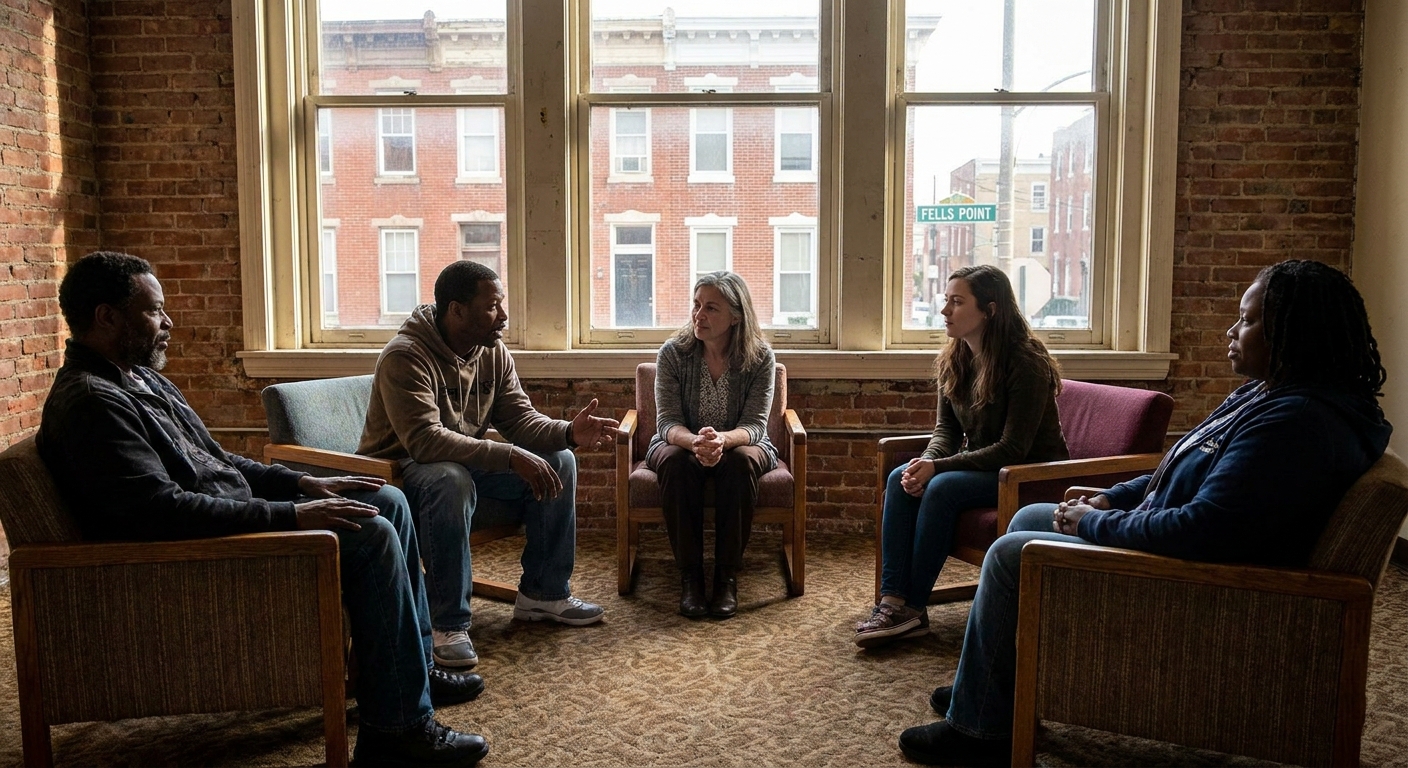

You need stable, supportive housing when your behavioral health challenges or complex care needs make independent living difficult. Transitional housing for high acuity clients offers you a structured, time-limited residence where tailored services help you build the skills and supports needed for lasting stability. In these programs, you’ll find a bridge between crisis intervention and permanent housing, combining therapy, medical coordination, life skills training, and peer networks. As you explore your options, this guide will help you understand eligibility, compare models, access services, and plan your next steps toward independent living.
Understand high acuity needs
When you face severe mental health conditions or co-occurring substance use disorders, your level of care requirements is considered high acuity. Recognizing these needs ensures you receive appropriate support.
Define high acuity conditions
High acuity clients often present with:
- Severe major depression or bipolar disorder
- Schizophrenia or other psychotic disorders
- Active substance use disorders with relapse risk
- Borderline personality disorder or self-harm behaviors
- Suicidal ideation or recent crisis episodes
Accurate classification helps service providers allocate the right resources and staffing. In prehospital settings, dispatchers use symptom detail—such as stroke versus a stuffy nose—to gauge acuity and route care appropriately [1].
Identify unique barriers
You may encounter obstacles such as:
- Limited access to crisis intervention outside business hours
- Anxiety or stigma around attending clinic visits
- Difficulty maintaining medications and appointments
- Gaps in life skills like budgeting or meal preparation
- Housing insecurity that exacerbates mental health symptoms
By understanding these challenges, you can seek programs designed to stabilize your condition and build independence.
Explore transitional housing
Transitional housing programs serve as an interim solution, providing you with safe accommodation and intensive support services for a defined period.
Determine eligibility and funding
Many transitional housing initiatives for high acuity clients are funded through the Continuum of Care Program under HUD. Eligible costs include supportive housing that addresses complex service needs [2]. You may qualify if you:
- Are experiencing homelessness and have high acuity mental or physical health needs
- Require structured support to increase independent living skills
- Are transitioning from inpatient treatment, incarceration, or crisis services
Review duration and scope
Transitional stays typically range from several months up to two years, depending on program guidelines and individual progress. These programs blend:
- Supervised living environments
- Skills training for daily activities
- Education on tenancy rights and responsibilities
- Case management for seamless service coordination
In Sudbury, Ontario, a recent program offered clients up to 18 months of transitional housing with integrated harm reduction, mental health support, and life skills training [3]. This longitudinal evaluation highlighted improvements in housing stability and well-being.
Compare housing models
Choosing the right model helps you match your acuity level with the appropriate support intensity.
| Housing model | Duration | Key services | Ideal for |
|---|---|---|---|
| Transitional housing | Up to 2 years | Therapy, case management, life skills training | High acuity clients bridging to permanent homes |
| Supportive housing | Indefinite | On-site mental health, substance use treatment, case management | Individuals with chronic disabilities or long-term support needs |
| Rapid rehousing | 3–6 months | Rental assistance, brief case management | Families or individuals exiting homelessness quickly |
| Supportive services only | Varies | Case management, referrals | People at risk of homelessness who need targeted services |
This comparison clarifies how transitional housing differs from permanent supportive housing and rapid rehousing in terms of length and service mix.
Access supportive services
Once you enter a transitional program, you’ll engage with multidisciplinary teams that address both clinical and practical needs.
Mental health and substance use care
You may receive:
- Individual and group therapy led by licensed clinicians
- Medication management coordinated with psychiatrists
- Crisis intervention available on-site or virtually to reduce wait times [4]
- Harm reduction approaches integrated into daily routines
For long-term recovery, you can transition into supportive housing with mental health services or tap into housing support for mental health recovery.
Daily living and life skills training
Programs often include:
- Budgeting, cooking, and personal hygiene workshops
- Vocational assessments and job readiness coaching
- Educational support for GEDs or certifications
- Transportation planning for medical and employment appointments
These services aim to build confidence and competence so you can manage independently after your transitional stay ends.
Coordinate case management
Effective case management is the backbone of successful transitional housing, ensuring seamless access to resources.
Understand the case manager’s role
Your case manager will:
- Conduct comprehensive assessments to tailor your service plan
- Schedule and accompany you to appointments
- Liaise with housing authorities, clinical providers, and insurers
- Monitor progress and adjust goals as you stabilize
This personalized support keeps you on track and prevents gaps in care.
Implement coordination strategies
To maximize outcomes:
- Share your goals and preferences openly with your case manager
- Maintain regular check-ins, whether in person or via telehealth
- Track key milestones—such as securing ID, opening a savings account, or completing therapy modules
- Use digital tools or journals to record appointments and tasks
Leveraging case management services for recovery clients helps you navigate complex systems with confidence.
Engage community support
Rebuilding your support network is essential for long-term stability and wellness.
Leverage peer networks and therapy
Connecting with others who share similar experiences can reduce isolation and foster accountability. Many programs offer:
- Peer support groups within the housing setting
- Family reintegration workshops
- 12-step or alternative recovery circles
- One-on-one peer mentoring
Consider joining a supportive housing with peer support initiative to keep these connections strong.
Access reentry and employment services
If you’re returning from incarceration or inpatient care, you can tap into specialized programs:
- Reentry housing program for individuals post-incarceration
- Job readiness program for people in recovery
- Reentry program with job readiness training
These services help you secure work, rebuild credit, and establish a steady routine, all crucial for maintaining housing.
Plan permanent housing
As you near the end of your transitional stay, proactive planning prevents setbacks and secures your long-term success.
Develop transition strategies
Work with your case manager to:
- Apply for permanent supportive housing or affordable units
- Build a savings cushion for deposits and first month’s rent
- Strengthen rental references through program staff and peers
- Enroll in ongoing community support services
Programs such as residential housing for addiction treatment step down can ease this final shift.
Anticipate and avoid setbacks
Common challenges include:
- Financial shortfalls due to unexpected expenses
- Legal issues or fines that interfere with housing eligibility
- Relapse or mental health crises under stress
- Difficulty navigating lease agreements
By identifying these risks early and connecting with supportive housing for long term recovery, you’ll have contingency plans and resources to address issues before they jeopardize your housing stability.
Transitional housing programs offer a structured, compassionate pathway from crisis to independence. With targeted services, skilled case management, and robust community networks, you can build the foundation for lasting recovery and stable living. Reach out today to learn more about programs in your area and take the next step toward a secure, empowered future.