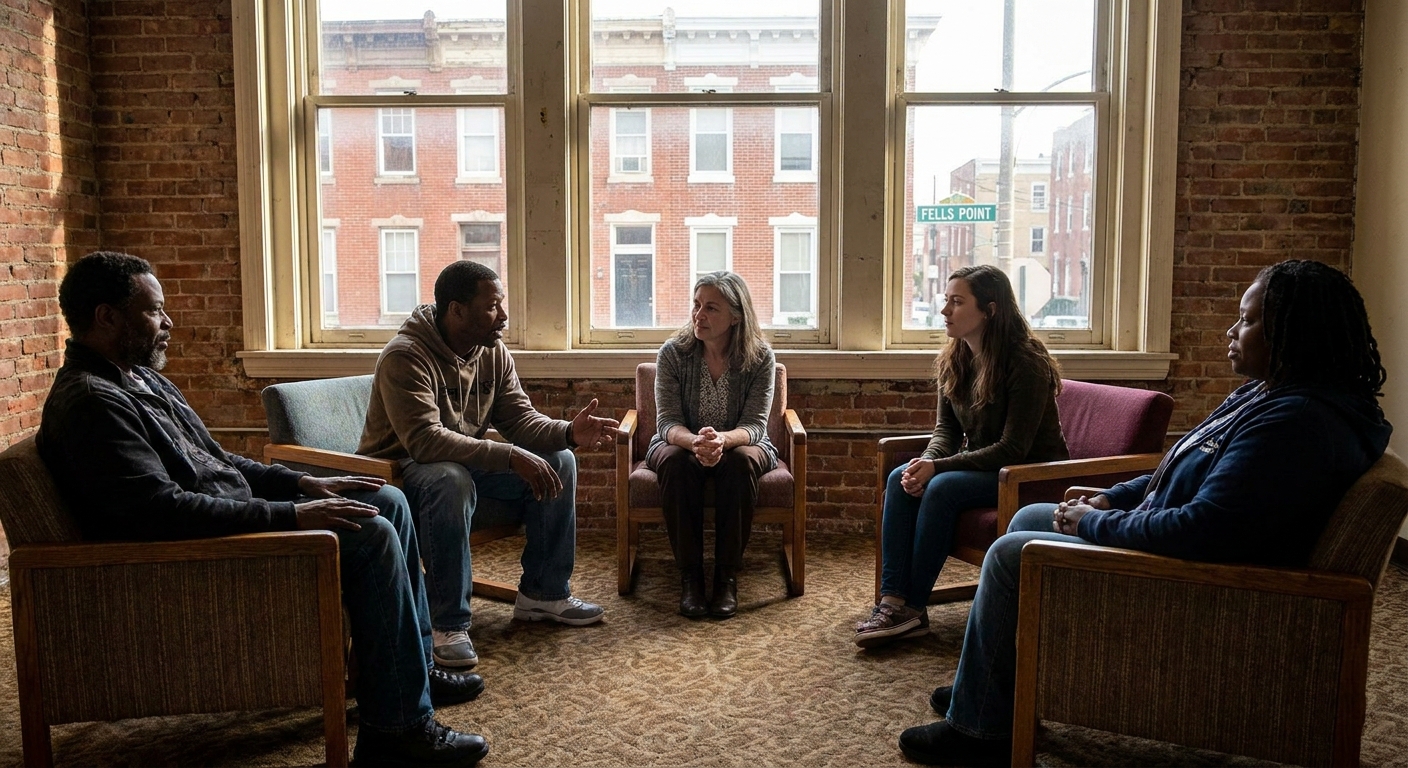

Understanding supportive housing
Supportive housing pairs affordable living arrangements with ongoing support services to help you achieve stability, autonomy, and dignity. When you consider supportive housing with case management team options, your chances of maintaining stable housing and accessing essential resources improve. Designed for individuals and families confronting challenges such as chronic homelessness, mental health disorders, substance use issues, or a history of incarceration, supportive housing offers a path to long-term recovery and community integration.
Definition and goals
Supportive housing is a model that integrates permanent housing with wraparound services, ensuring you have both a safe place to live and the guidance needed to address underlying challenges [1]. Its primary goals are:
- To end the cycle of homelessness by providing stable residences
- To promote health and well-being through coordinated care
- To empower residents to pursue employment, education, and social connections
Core services offered
At the heart of supportive housing lies a multidisciplinary case management team. Core services typically include:
- Intensive case management, coordinating your access to healthcare, mental health care, and substance use counseling
- Life skills training in areas like budgeting, cooking, and self-care
- Employment readiness support, including job search assistance and vocational training
- Family services such as child welfare assistance and parenting workshops
- Peer support groups and community-building activities
These services create a nurturing environment where you can focus on personal growth without the constant threat of eviction or crisis intervention.
Exploring case management role
A dedicated case management team serves as the cornerstone of supportive housing, acting as a bridge between you and the resources necessary for lasting recovery.
Key responsibilities
Case managers take on a range of duties to help you navigate complex systems and achieve your goals. Their responsibilities often include:
| Responsibility | Description |
|---|---|
| Needs assessment | Conducting initial and ongoing evaluations to determine the services you require |
| Service coordination | Scheduling appointments, making referrals, and following up on your healthcare or counseling |
| Goal setting | Collaborating with you to develop individualized plans that address housing, health, and work |
| Progress monitoring | Tracking milestones and adjusting plans to reflect evolving needs |
By shouldering these tasks, case managers free you to concentrate on recovery and day-to-day living.
Advocacy and navigation
Beyond logistics, case managers act as advocates, empowering you to voice your needs and navigate bureaucratic hurdles. Whether you need help understanding your rights, accessing public benefits, or negotiating with landlords, your case management team stands ready to guide you. This advocacy is particularly vital if you face additional barriers, such as a disability or a history of incarceration.
Benefits of supportive housing
Choosing supportive housing with a case management team brings a range of measurable advantages that extend well beyond a roof over your head.
Stable housing and autonomy
Studies have demonstrated that permanent supportive housing significantly improves housing stability, with fewer returns to emergency shelters or crisis services. According to the Collaborative Initiative to Help End Chronic Homelessness, 95 percent of individuals placed into permanent housing remained housed after 12 months [2]. This stability allows you to focus on long-term goals rather than survival.
Health and wellbeing
By combining housing with comprehensive care, supportive housing can lead to:
- Improved self-reported mental health status
- Reduction or cessation of substance use
- Fewer emergency room visits and hospitalizations
Research shows that pairing permanent housing with intensive services reduces public service costs by more than it incurs. On average, supportive housing costs $13,400 per person annually while reducing public service expenditures by $15,773 per person per year [2].
Community involvement
Supportive housing fosters strong, healthy communities. By rehabilitating properties and stabilizing residents, these programs can enhance neighborhood safety and even boost local property values [1]. As you participate in community activities and peer support groups, you build social networks that reinforce your recovery journey.
Identifying eligible participants
Supportive housing programs are tailored to meet the needs of diverse populations. Understanding eligibility can help you determine whether this model aligns with your circumstances.
Complex needs criteria
Most supportive housing programs serve individuals facing multiple barriers, such as:
- Chronic unemployment or underemployment
- Co-occurring mental health and substance use disorders
- Histories of homelessness lasting more than a year
- Legal issues or past incarceration
These criteria ensure that resources reach those with the greatest need.
Family and veteran support
Some programs specialize in family units or specific groups:
- Youth and family programs, offering youth and family supportive services program tailored to children’s education and family stability
- Veteran-focused housing, such as transitional housing program for veterans that combines peer support with specialized VA-linked services
By choosing a program designed for your background, you can benefit from expertise and resources that reflect your unique situation.
Reentry populations
If you’re returning to the community after incarceration, supportive housing can be a lifeline. Services often coordinate with reentry program for ex offenders or reentry housing program for individuals post-incarceration, providing job training, legal advocacy, and case management geared toward your reintegration. For ex-offender focused options, explore ex-offender supportive housing and reentry program.
Applying for supportive housing
Navigating the application process can feel overwhelming, but understanding the steps ahead empowers you to move forward with confidence.
Eligibility requirements
While criteria vary by program and location, common requirements include:
- Proof of income or demonstration of homelessness
- Verification of disability, mental health condition, or substance use disorder
- Background checks and legal clearances
- Local residency or connection to the service area
Gathering documentation early can streamline your application.
Application steps
Most supportive housing providers follow a similar process:
- Submit an initial inquiry or referral through a social service agency
- Complete an intake interview and needs assessment with a case manager
- Provide required documentation (ID, income statements, medical records)
- Join a waiting list if units are limited
- Receive placement and participate in an orientation
Working closely with a case management services team, such as case management services for recovery clients, ensures you meet each milestone.
Common challenges
Applicants often face hurdles like long wait lists, limited local availability, and complex paperwork. If you encounter delays, your case manager can:
- Help you explore interim options, including transitional housing for addiction recovery or sober living and supportive housing program
- Advocate on your behalf with housing authorities
- Connect you to legal aid for expediting documentation
Proactive communication can reduce frustration and keep you on track.
Integrating recovery services
Supportive housing excels when paired with targeted recovery and life-skill services, creating a holistic framework for growth.
Addiction and mental health
Programs often incorporate evidence-based therapies and counseling within your housing environment. You might engage in:
- On-site individual and group therapy
- Medication management for mental health conditions
- Substance use counseling as part of a housing program with addiction counseling
- Integrated support for co-occurring disorders via supportive housing for dual diagnosis
This integrated approach reduces barriers to treatment and encourages consistent participation.
Life skills training
Learning practical skills can be just as crucial as therapy. Many supportive housing initiatives offer:
- Workshops on financial literacy, meal planning, and household maintenance
- Hands-on coaching in communication, conflict resolution, and time management
- Peer-led sessions under supportive housing with peer support
By building confidence in daily living tasks, you lay the groundwork for independence.
Employment readiness
Securing stable income reinforces your housing stability. Case managers often facilitate:
- Resume writing and interview preparation
- Connections to job readiness program for people in recovery
- On-the-job training or apprenticeships
These services help you transition from relying on public benefits to sustaining yourself through meaningful work.
Choosing the right program
Selecting a supportive housing provider involves comparing features, asking targeted questions, and experiencing programs firsthand.
Comparing program features
Use a table to weigh your options based on critical factors:
| Feature | Transitional housing | Supportive housing | Sober living programs |
|---|---|---|---|
| Duration | Short-term (30–90 days) | Permanent or long-term | Variable (30–180 days) |
| Case management intensity | Moderate | Intensive | Light to moderate |
| Clinical services | On-site counseling | Full mental health support | Referral-based |
| Peer support | Limited group meetings | Ongoing peer groups | Resident-led |
| Employment assistance | Referral services | Included | Referral services |
This snapshot helps you pinpoint the model that best aligns with your recovery goals.
Questions to ask
Before committing, consider discussing:
- What is the ratio of case managers to residents?
- How are individualized service plans developed and updated?
- What steps are taken to address crises or relapses?
- How does the program coordinate with external healthcare providers?
- Are there opportunities for family involvement or peer mentoring?
These questions reveal operational strengths and potential gaps.
Site visits and tours
Visiting potential residences offers invaluable insights. Take note of:
- Cleanliness, safety, and accessibility of living spaces
- Staff professionalism and resident interactions
- Availability of communal areas for workshops and peer support
- Proximity to public transportation, employment centers, and healthcare facilities
A firsthand look helps you envision daily life and fosters confidence in your choice.
Taking next steps
With knowledge of supportive housing and case management support, you can move forward along your recovery path.
Internal support links
Explore related programs within our network to expand your toolkit:
- housing assistance for people in recovery
- community support services for recovery
- supportive housing with mental health services
- residential housing with case management services
- housing and reentry support services
Each resource offers targeted assistance for your unique situation.
External support networks
National and local agencies provide additional guidance:
- Corporation for Supportive Housing for program standards and best practices [1]
- U.S. Department of Housing and Urban Development’s Permanent Supportive Housing resources [3]
- Legal aid societies to assist with documentation and tenant rights
Reaching out early can accelerate your placement and ensure you access all available benefits.
Making a plan
To maximize your chances of success:
- Collect essential documents (ID, medical and income records)
- Contact local social service agencies for referrals
- Schedule a meeting with a case management team
- Tour facilities and ask detailed questions
- Enroll in complementary programs like community mental health and housing support or supportive housing and employment readiness
By taking these steps, you set a solid foundation for stable housing, improved wellbeing, and sustained recovery.
References
- (CSH)
- (Wikipedia)
- (HUD Exchange)