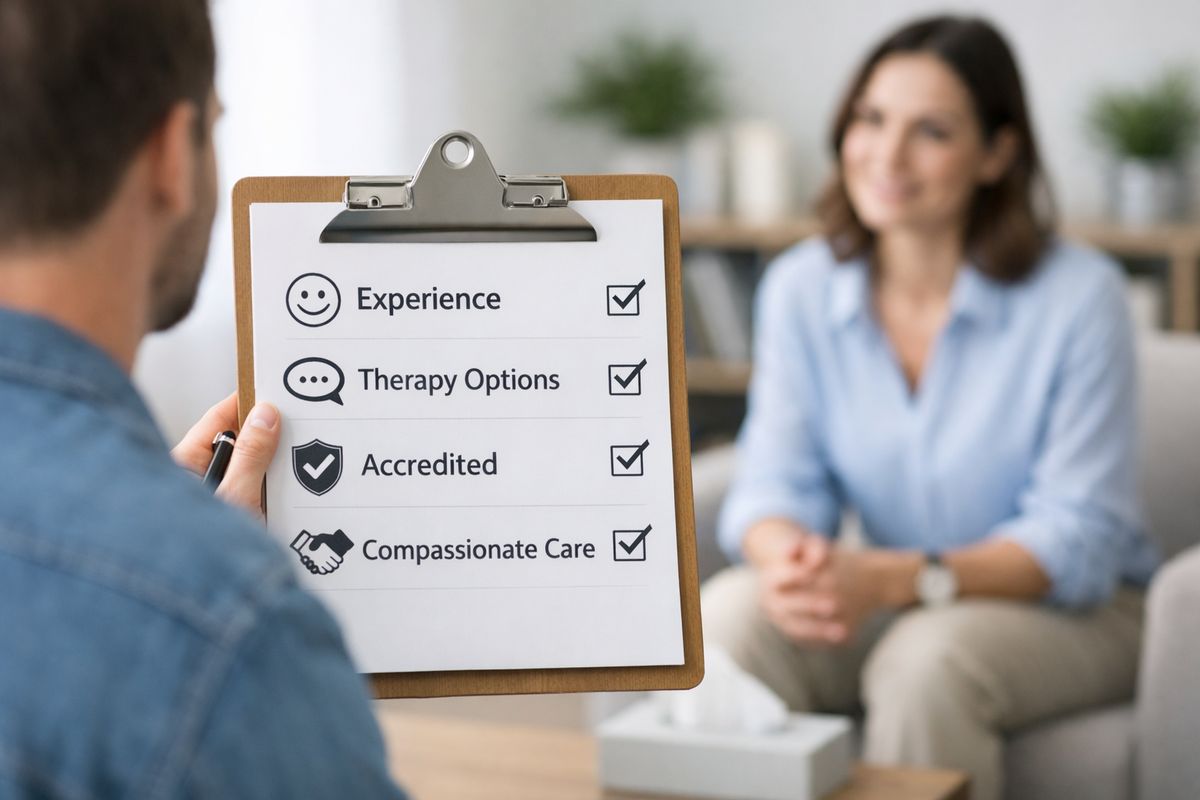

When you’re starting your recovery journey, choosing the best detox center for addiction can feel overwhelming. Detox is the crucial first step in clearing harmful substances from your system under professional guidance. By understanding your options—whether you need round-the-clock medical supervision or flexible outpatient care—you can find a program that meets your needs and supports a safe, comfortable withdrawal process.
In this guide, you’ll explore key detox models, compare facility features, assess medication-assisted treatment, and plan for seamless aftercare. You’ll also learn how to evaluate staff qualifications, treatment duration, insurance coverage, and holistic therapies so you can make an informed decision on your path to lasting recovery.
Understand detox options
When evaluating detox centers, start by reviewing the main program types. Each model offers different levels of care, flexibility, and support.
Inpatient detox programs
Inpatient detox provides 24/7 medical oversight in a residential setting. You stay on-site for the duration of your withdrawal, which typically lasts 3 days to 3 weeks depending on substance type and abuse history [1]. This option is ideal if you:
- Face severe withdrawal symptoms such as seizures or hallucinations
- Have a long history of heavy substance use
- Need medical management for co-occurring conditions
Many facilities offer specialized tracks for complex cases. For more on residential care, see our page on residential detox for substance abuse.
Outpatient detox services
Outpatient detox lets you live at home while attending scheduled treatment sessions, generally around 10 hours per week [2]. You’ll visit for medical check-ins, counseling, and medication management. This model works well when you:
- Have a strong support network at home
- Face milder withdrawal symptoms
- Need to maintain work, school, or family responsibilities
Explore details on our outpatient drug detox services.
Medically supervised detox
Medically supervised detox uses a gradual tapering method to ease withdrawal, minimize risk of relapse, and reduce the chance of fatal complications [1]. Key features include:
- Regular vital-sign monitoring
- Medication-assisted protocols to manage symptoms
- Emergency response capabilities
Learn more about protocols in our detox with medication management support overview.
Specialized detox tracks
Some centers offer tailored programs for unique needs:
- Polysubstance detox for multiple addictions [3]
- Young adult-focused care [4]
- Veteran-specific recovery paths [5]
These tracks combine clinical expertise with peer support to address age- or population-specific challenges.
Compare center features
To select the right facility, compare key features side by side. A simple table can help you weigh options quickly:
| Feature | Standard detox center | Hospital-based detox | Luxury rehab |
|---|---|---|---|
| Medical staffing | RN, LPN | MD, hospitalists | MD, holistic practitioners |
| Therapy options | Group therapy | Individual & group | Individual, family, group |
| Withdrawal management | Medication-assisted tapering | Full ICU support | Comfort meds, spa amenities |
| Room type | Shared dorm | Private hospital room | Private suite |
| Aftercare planning | Basic referrals | Integrated discharge planning | Customized transition support |
| Cost | Moderate | Higher (hospital billing) | Premium |
When comparing centers, ask:
- What level of medical oversight will I receive?
- Which therapies and support groups are offered?
- How does the environment support comfort and privacy?
- Is aftercare planning integrated into the program?
You can also look for programs with dedicated counseling components, such as a detox program with counseling support.
Assess medication-assisted treatment
Medication-assisted treatment (MAT) combines FDA-approved medications with counseling to ease withdrawal and cut relapse risk. Research shows MAT can reduce opioid overdose deaths and improve treatment retention.
Benefits of MAT
- Reduces cravings and withdrawal intensity
- Lowers risk of relapse and overdose
- Supports ongoing recovery engagement
- Addresses both physical and behavioral aspects of addiction
A comprehensive medication assisted treatment program ensures your care team monitors progress and adjusts medications as needed [6].
Suboxone clinic options
Suboxone (buprenorphine-naloxone) is a common MAT choice for opioid use disorder. It’s typically prescribed in outpatient clinics, allowing you to stabilize cravings while attending therapy. Look for a reputable suboxone clinic for opioid addiction that offers:
- Regular medication check-ins
- Counseling and behavioral therapies
- Peer support groups
For long-term maintenance, explore our suboxone maintenance treatment program or see the best suboxone treatment program in your area.
Methadone and naltrexone choices
Other MAT medications include:
- Methadone: dispensed daily at licensed clinics, ideal for severe opioid dependence
- Naltrexone: an opioid blocker that helps prevent relapse after detox
- Acamprosate: often used for alcohol use disorder to reduce cravings
Discuss these options with your care team to choose the best fit for your situation.
Check staff qualifications
High-quality detox centers employ multidisciplinary teams. When you tour a facility, verify staff credentials and roles.
Medical professionals
- Physicians (MD/DO) and psychiatrists oversee medical care and co-occurring disorders
- Nurse practitioners and physician assistants manage day-to-day treatment plans
- Registered nurses (RN) and licensed practical nurses (LPN) monitor health and administer medications
Centers like Ohio State University Wexner Medical Center offer Level IV medical withdrawal management with 24/7 nursing support [7].
Counsellors and therapists
- Licensed clinical social workers, psychologists, and counselors lead individual and group therapy
- Therapists may specialize in cognitive behavioral therapy, family therapy, or trauma-informed care
Their expertise ensures you address underlying issues fueling substance use.
Support staff roles
- Case managers coordinate aftercare planning, legal and employment support
- Technicians or aides ensure program adherence and perform drug screenings
- Nutritionists and dieticians develop meal plans to support physical recovery [8]
- Holistic practitioners may offer yoga, meditation, or acupuncture
A robust team creates a supportive environment essential for lasting recovery. Learn more about integrated care at our detox center with behavioral health support.
Consider treatment duration
The length of your detox stay impacts both safety and success. Understanding typical timelines helps you set realistic expectations.
Typical detox timeline
- Alcohol withdrawal: 3–7 days, though some symptoms can linger
- Opioid withdrawal: 4–10 days for acute phase [9]
- Benzodiazepines and stimulants: timelines vary based on dosage and duration
Overall, most detox programs range from 3 days to 3 weeks [1].
Factors affecting length
- Substance type and duration of use
- Co-occurring mental health or medical conditions
- Speed of tapering protocols
- Individual metabolism and overall health
Planning for long-term care
Detox alone doesn’t address the behavioral roots of addiction. After stabilizing, many people continue into 30-, 60-, or 90-day residential programs and beyond [10]. Consider programs like long-term detox and recovery program or residential detox with aftercare planning for comprehensive support.
Plan your aftercare transition
A smooth handoff from detox to ongoing treatment boosts your chances of lasting recovery.
Residential to outpatient care
If you start in a residential detox, you might step down to partial hospitalization or intensive outpatient services. Programs such as short-term detox with outpatient transition help you maintain structure while returning home.
Ongoing counseling support
Continuing therapy—whether individual, group, or family—helps you develop coping skills. Look for centers that integrate therapy into their aftercare, like alcohol detox and outpatient rehab.
Relapse prevention strategies
- Identify and manage triggers through cognitive behavioral techniques
- Build a peer support network or 12-step group
- Maintain medication regimens if you’re on MAT
- Schedule regular follow-up appointments
Effective relapse prevention is a cornerstone of sustained wellness.
Review insurance coverage
Cost shouldn’t be a barrier to safe detox, but understanding coverage details can ease financial stress.
Coverage and cost factors
- Insurance plans vary by provider, medical necessity criteria, and covered services
- Inpatient detox may require prior authorization
- Outpatient services often have lower out-of-pocket costs
Financial assistance options
- Sliding scale fees based on income
- Scholarships offered by nonprofit organizations
- Payment plans through treatment centers
Always verify benefits with your insurer before admission.
Explore holistic therapies
Integrating complementary approaches can enhance your detox experience and overall well-being.
Complementary treatment models
- Yoga, meditation, and mindfulness practices
- Acupuncture and massage therapy
- Art, music, or equine therapy
These methods support stress reduction and emotional balance.
Nutrition and wellness
Proper diet and exercise accelerate physical recovery. Registered dieticians develop meal plans to:
- Replenish essential nutrients
- Stabilize blood sugar and mood
- Support liver and kidney function
Ask whether nutrition counseling is part of your program.
Take next steps
As you weigh your options, use these guidelines to narrow your search and prepare for admission.
How to choose your center
- Verify accreditation and licensing
- Confirm staff-to-client ratios and qualifications
- Review program offerings—medical, counseling, holistic
- Tour the facility, if possible
- Compare costs and insurance acceptances
Questions to ask before admission
- What medical services are available 24/7?
- How will you handle severe withdrawal complications?
- Which therapies are included in the core program?
- How is aftercare structured and supported?
- Can I talk with alumni or read testimonials?
Making your decision
Ultimately, the right detox center aligns clinical expertise with a caring environment. Reach out to admissions teams, discuss your history and needs, and trust your instincts. Taking that first step brings you closer to a healthier, substance-free life. If you’re ready to explore programs, contact a facility today and begin your journey toward lasting recovery.