
Explore housing assistance options
When you’re seeking housing assistance for people in recovery, you have access to a range of supportive living environments designed to help you maintain sobriety, rebuild stability, and prepare for independent living. Depending on where you are in your recovery journey and the level of support you need, you can choose from sober living residences, supportive housing programs, or transitional housing services. Each option offers a structured setting with varying degrees of care, peer support, and life skills training.
Sober living residences
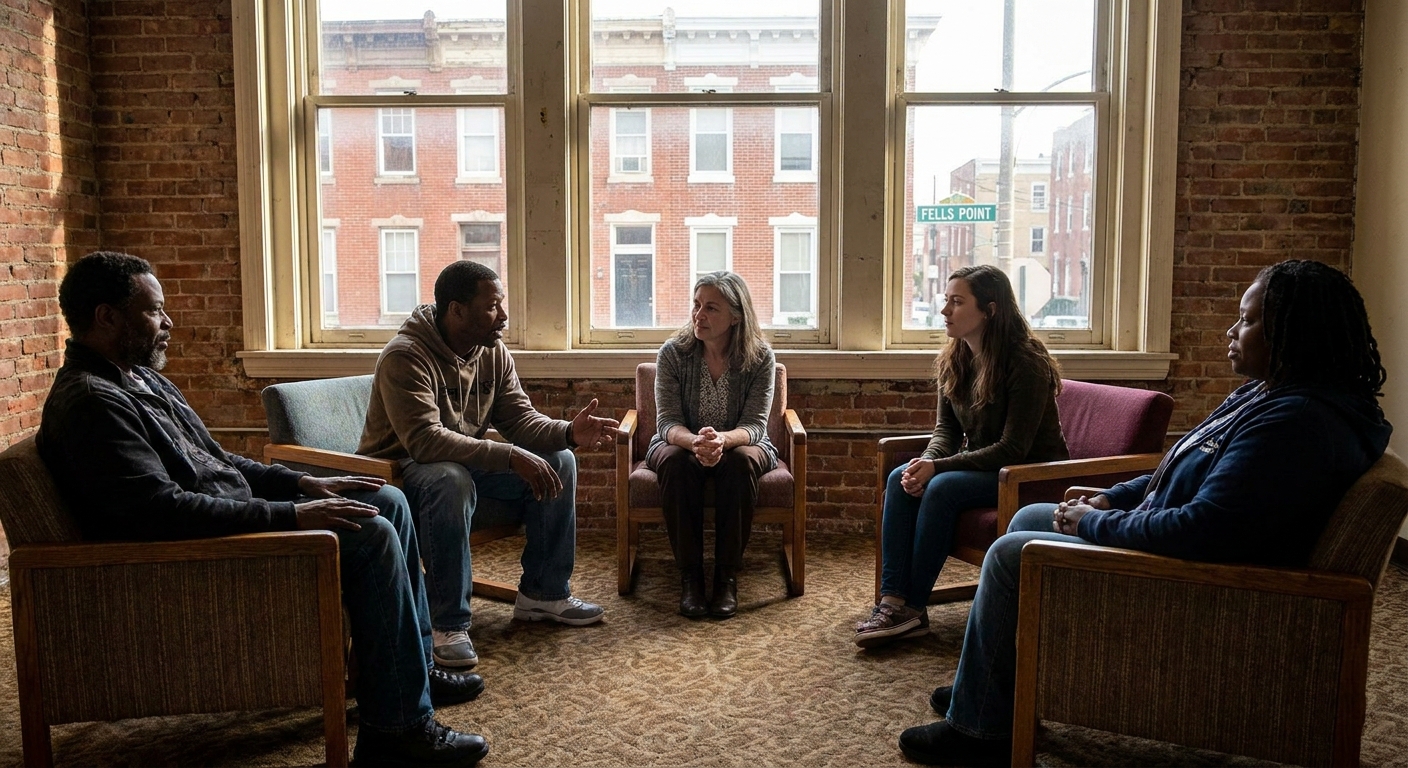
Sober living houses, also known as recovery residences, are alcohol- and drug-free homes where residents share responsibilities and support one another in a peer-driven environment. Typically, you cover your own costs without government licensing or funding, and you commit to attending 12-step or similar support meetings. Research has shown that these environments can significantly improve outcomes. A study evaluating two types of sober living houses over an 18-month period documented resident improvement on measures of abstinence, employment, arrests, and psychiatric symptoms [1]. In Ohio, recovery housing initiatives delivered positive impacts on substance use and housing stability from May to December 2022 [2].
| Residence | Average length of stay | Key outcomes |
|---|---|---|
| Options Recovery Services (ORS) | 254 days | Higher abstinence, lower arrest rates, better employment |
| Clean and Sober Transitional Living (CSTL) | 166 days | Reduced substance use, fewer legal issues |
These data highlight the role of shared accountability and structured environments in sustaining recovery.
Supportive housing programs
Supportive housing combines affordable living with wraparound services such as case management, counseling, and life skills training. Programs often integrate mental health care or addiction services within the residential setting. Common offerings include:
- Individual and group therapy
- Medication management
- Peer support networks
- Life skills workshops, such as budgeting and healthy cooking
- Monthly hygiene and household upkeep support
If you need integrated mental health care, explore our supportive housing with mental health services. For residences emphasizing mutual encouragement, consider supportive housing with peer support.
Transitional housing services
Transitional housing, sometimes called step-down or residential housing for addiction treatment step down, bridges the gap between inpatient rehab and full independence. These programs offer a structured setting with therapy support and gradual increases in autonomy. Key features include:
- Supervised living with on-site counseling
- Daily check-ins and progress reviews
- Life skills training tailored to your recovery stage
- Flexible lengths of stay based on your needs
To find a program that suits your recovery timeline, review options like transitional housing for addiction recovery and residential housing for addiction treatment step down.
Understand program benefits
Choosing the right housing option means weighing the benefits each program offers. Understanding how peer support, comprehensive services, and long-term stability outcomes work together can help you make an informed decision.
Peer support and community
Living alongside others who share your goals creates a sense of belonging and accountability. Peer support can:
- Reduce isolation and loneliness
- Encourage honest dialogue about challenges
- Strengthen motivation through shared success stories
Community-driven programs like community support services for recovery offer regular group activities, peer mentors, and social events to reinforce your connection with others in recovery.
Comprehensive care services
Beyond safe shelter, many housing programs provide a full spectrum of supportive services. Core offerings often include:
- Personalized case management
- Addiction counseling integrated into daily life
- Access to medical and psychiatric care
- Coordination with external treatment providers
If you need tailored support, consider case management services for recovery clients or a housing program with addiction counseling to address co-occurring challenges.
Long-term stability outcomes
Data from observational and funded studies confirm that structured housing leads to sustained improvements. Key findings include:
- Decreased days of substance use per month
- Higher employment rates at follow-up
- Lower rates of re-arrest or legal involvement
Involvement in 12-step groups and consistent program participation predict stronger outcomes. By engaging fully in these environments, you increase your chances of lasting recovery.
Navigate eligibility requirements
Sobriety and legal criteria
Most sober living and supportive housing programs require:
- A minimum period of continuous abstinence (often 30 to 90 days)
- Proof of completion of a detox or treatment program
- Background checks or compliance with parole/probation terms
Violating house rules, such as substance use or unapproved guests, can lead to discharge, so review policies carefully before applying.
Income and funding sources
Costs vary, with some programs offering sliding-scale fees or subsidized rent. Potential funding sources include:
- HUD vouchers or local housing authority assistance
- Nonprofit grants and charity-sponsored programs
- State and county recovery housing funds
Connect with a housing counselor or case manager to explore financial assistance that matches your income level.
Specialized programs
Certain programs target specific populations or needs:
- Veterans can access dedicated support through transitional housing program for veterans
- Individuals post-incarceration may find resources via reentry housing program for individuals post-incarceration
- Families in recovery benefit from housing program for families in recovery
- Those with co-occurring disorders can look into supportive housing program for dual diagnosis
By identifying a program tailored to your background, you ensure the support you need is in place.
Apply for housing support
Once you know which option aligns with your needs, the application process involves coordination, documentation, and timely follow-through.
Working with case managers
A case manager serves as your advocate, helping you:
- Gather required documents, such as treatment records and income statements
- Schedule interviews or home visits
- Coordinate with external agencies for complementary services
Learn more about these resources in our case management services for recovery clients overview.
Securing subsidies and grants
To lower out-of-pocket expenses, explore:
- Federal Housing Choice Vouchers (Section 8)
- State-funded recovery housing grants
- Local nonprofit or faith-based charity programs
- Emergency rental assistance for people in recovery
Keep a checklist of deadlines, eligibility rules, and required paperwork to streamline your application process.
Reentry collaboration
If you are returning from incarceration, combining housing with reentry services can strengthen your transition. Programs like reentry program for ex offenders coordinate legal compliance, job training, and housing placement. Others, such as ex-offender supportive housing and reentry program, offer purpose-built residences designed to help you rebuild life on release.
Plan your next steps
Securing housing is a critical milestone, but keeping it requires ongoing effort. By creating a clear plan, connecting with providers, and tracking your progress, you set the stage for lasting independence.
Create an action plan
Begin by outlining your housing goals:
- Identify your ideal program type and location
- List required documentation (ID, treatment history, income proof)
- Note application deadlines and contact details
Use a calendar or project management tool to stay organized and meet each milestone.
Connect with providers
Reach out to program coordinators, case managers, and peer mentors to:
- Clarify program rules and expectations
- Arrange tours or interviews
- Confirm move-in dates and any initial fees
Don’t hesitate to ask questions—understanding policies up front prevents surprises later.
Monitor your progress
Once settled, track key indicators of success:
- Adherence to program guidelines
- Attendance at therapy sessions and support meetings
- Employment milestones or educational achievements
- Stability in your mental and physical health
Regular check-ins with your case manager ensure that any emerging challenges are addressed before they jeopardize your housing.
By exploring these options, understanding the benefits, meeting eligibility requirements, and following a structured plan, you can unlock the housing support you need during recovery. Taking these steps empowers you to move forward with confidence into a more stable and supportive living environment.